

Essential
Packing
A Guide for Your African Safari
Safari Packing, Made Simple
Preparing for your safari should feel as effortless as the journey itself. Our guide has been thoughtfully created to help you pack with confidence — highlighting the essentials to bring, the items best left behind, and the small details that can make your time in the African wilderness even more comfortable.
Explore WITH BUNDOX
Pack Light, Safari Smart
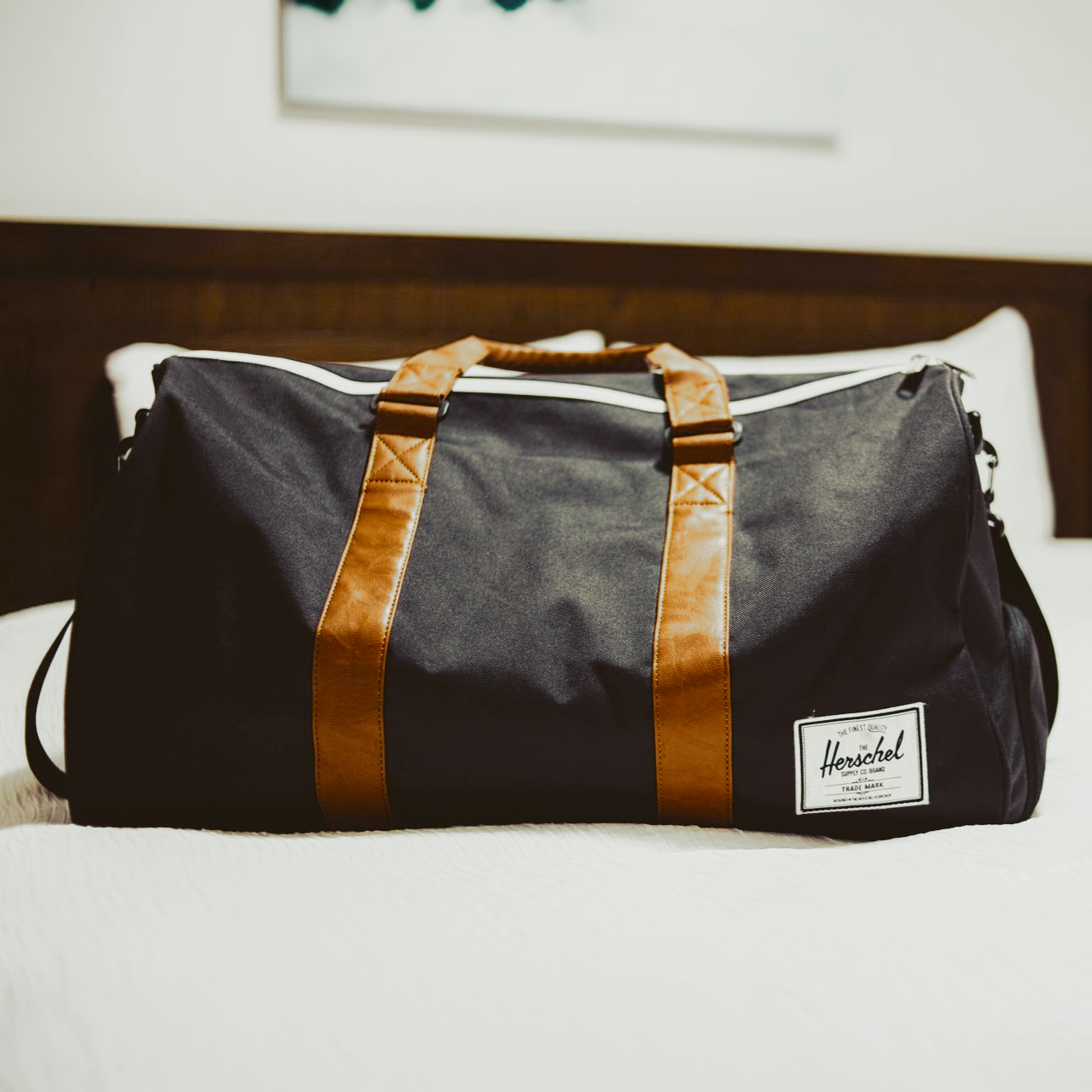
When it comes to safari travel, less is most definitely more. Choose a lightweight, durable travel bag that is easy to move, simple to carry, and flexible enough for the journey ahead.
Soft-sided duffel bags are ideal, especially for travelling between camps or flying into remote safari areas. They fit more easily into safari vehicles and small aircraft, where luggage space is limited. For light aircraft transfers, a general guideline is a maximum of 15kg per person, so thoughtful packing is essential.
Safari mornings and evenings can be surprisingly cool, particularly on open vehicles. Pack a warm beanie, scarf, gloves, lightweight fleece or puffer jacket, long trousers, and comfortable closed shoes or boots for game activities.
Explore WITH BUNDOX
Bush-Chic: What to Wear in the Wild
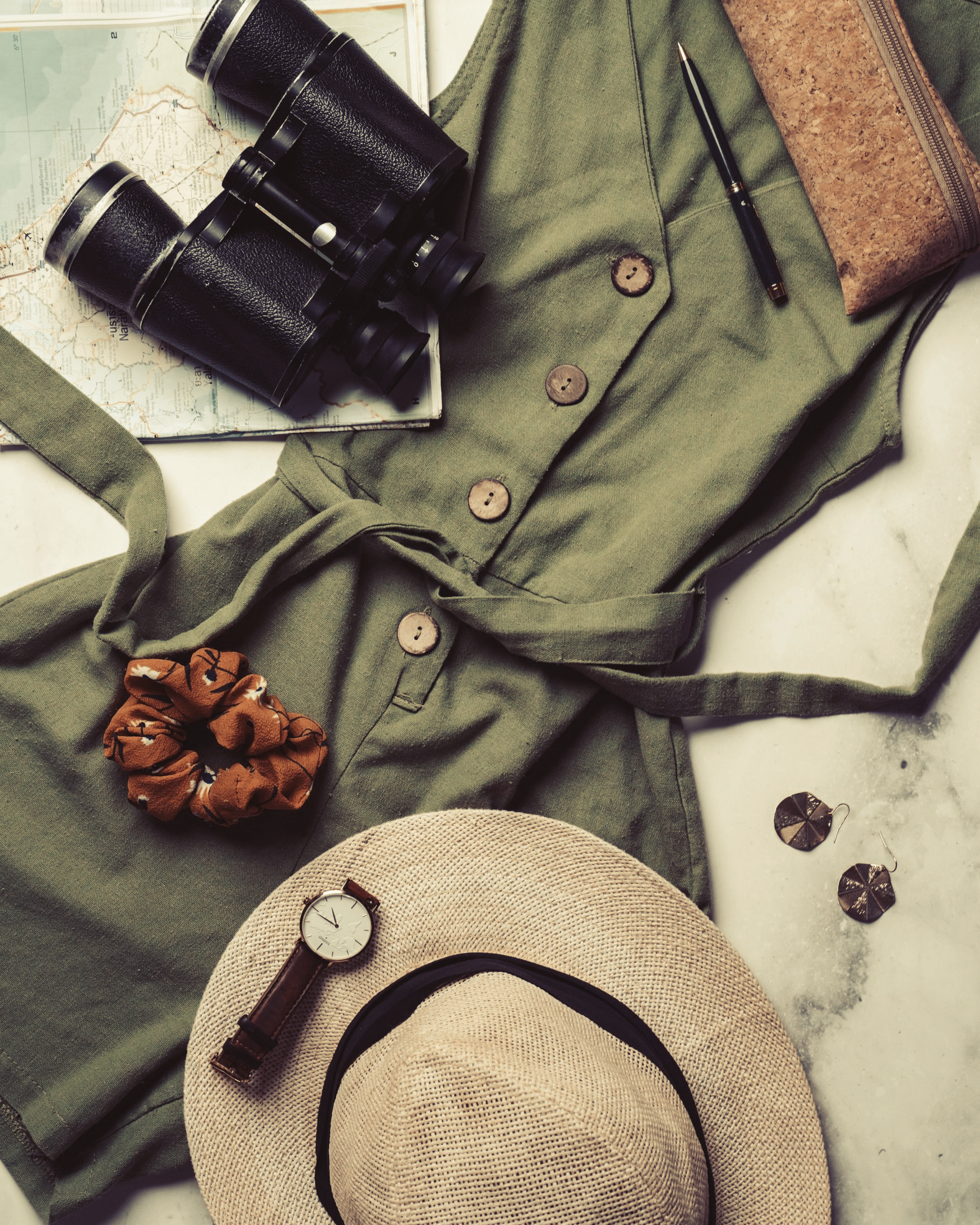
When packing for safari, think effortless, practical, and naturally refined. Choose clothing in neutral, earth-inspired tones that blend beautifully into the wilderness — khaki, beige, stone, olive, brown, grey, and soft muted shades all work well. White may feel cool and fresh around camp, but it is best avoided on game drives as it stands out in the bush.
Layering is key. Safari days often begin cool and crisp before warming up as the sun rises, so pack pieces that can be easily added or removed throughout the day. A lightweight fleece, sweater, or jacket is useful year-round, even in summer. Long-sleeved shirts and long trousers are also recommended, offering protection from the sun, insects, and cooler morning air.
For early morning and evening game activities, bring a warm layer, closed shoes or boots, and seasonal cold-weather essentials such as a beanie, scarf, and gloves. Comfort, versatility, and simplicity are the true safari style essentials.

TRAVELLING TO AFRICA
Here's our recommendations of what to bring with you
Clothing
Any time of year:
- Three of four tee-shirts
- Two long-sleeved shirts
- Two or three pairs of shorts and/or cargo pants
- Two pairs of long trousers
- A lightweight windbreaker or weatherproof jacket
- A couple of lightweight sweaters
- Swimsuit
- Hat
- Sunglasses
- Thongs/flipflops
- Closed walking shoes
- Rugged sandals/open walking shoes
Winter (June to September each year)
- Lightweight fleece or puffer jacket
- Beanie hat, scarf and gloves
- Thermal undergarments
- Warm socks
- Walking boots
Personal Effects
- Cosmetics
- Toiletries and personal items
- Sunscreen
- Moisturiser
- Medicines
Note: It’s always a good idea to make copies of any prescriptions just in case you are asked about any scheduled medicines you may have.
Equipment
- Camera gear
- Cellphone
- Tablet/Laptop
- Charging cables and plug adaptors
- Binoculars
Documents
- Passport
- Visas where required
- Travel insurance
Here to Help, Every Step of the Way
If there is anything you are unsure of, our team is always available to answer your questions and assist with any final details before your journey.
Simply give us a call or send us an email — we are here to ensure your safari experience begins with confidence and ease.