Our Story
BUNDOX SAFARI CO
a journey of passion, adventure and conservation
Marinus Smith was undoubtedly born with an affinity for the wild. His passion for the bush secured his future in the heart of the wildlife world, where he spearheaded South Africa’s game capture industry in the late 1990s. Ida’s ambitious career in the wildlife veterinary field led her to game capture, where she and Marinus would ultimately cross paths. Their dynamic partnership was solidified at a secret wedding ceremony (in the wilderness, of course), and they built a successful game-capture company before eventually settling in the Lowveld, where they launched Wildside Africa.
This is the story of how it all happened – a journey of challenges and triumphs, culminating in the brand that is synonymous with authentic African experiences.
Bundox Safari Co
A Timeline of Passion, Growth, and Conservation
Late 1980s – Early 1990s
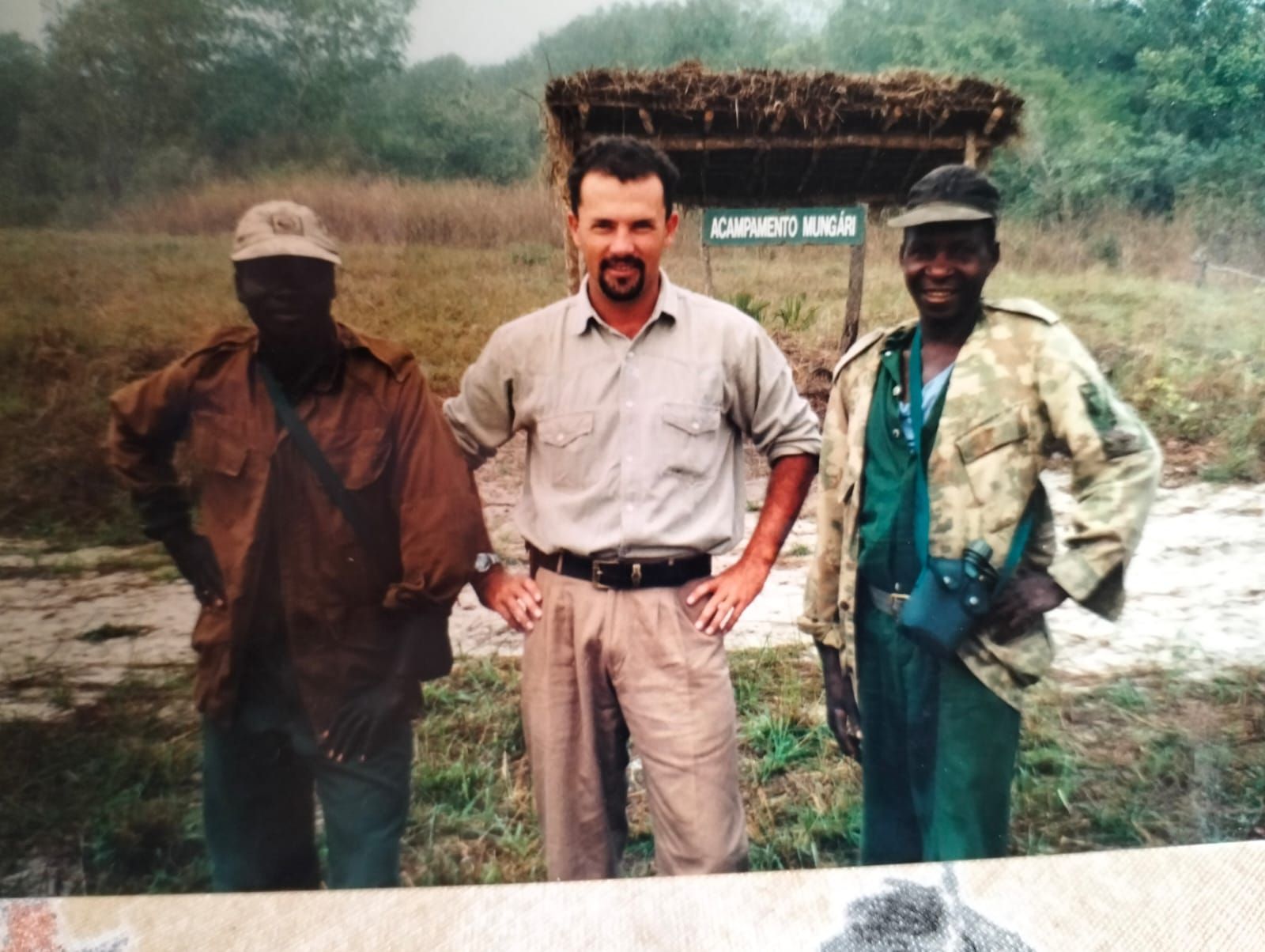
Marinus Smith begins his journey in wildlife, gaining hands-on experience on farms and in Mozambique’s Zambezi Delta. His passion for the bush lays the foundation for a career in game capture.
First steps in a career in wildlife
After finishing school in the Eastern Transvaal, Marinus enlisted in the army where he spent two formative years. Battling with dyslexia, his academic years were a challenge, so he embarked on a practical path that would incorporate his natural skillset and innate knowledge and passion for the outdoors. He and his father – a Forester – started a small fish farm in Pongola. In those days, game farms were used for hunting than far more than for photographic tourism, and there was a hunting farm on the neighbouring property. Marinus began working on the farm part time and quickly learned the ropes. He progressed and qualified with a professional hunting licence; his ticket to a career in the bush.
In the late 1980s, Marinus was working at Mkuze Falls for Anton Marais, a relationship that led him northwards to the Zambezi Delta of Mozambique. The country was still in a state of civil war when Anton acquired a concession in Marromeu – wild, unchartered territory – and assigned Marinus to build a camp there.
1996
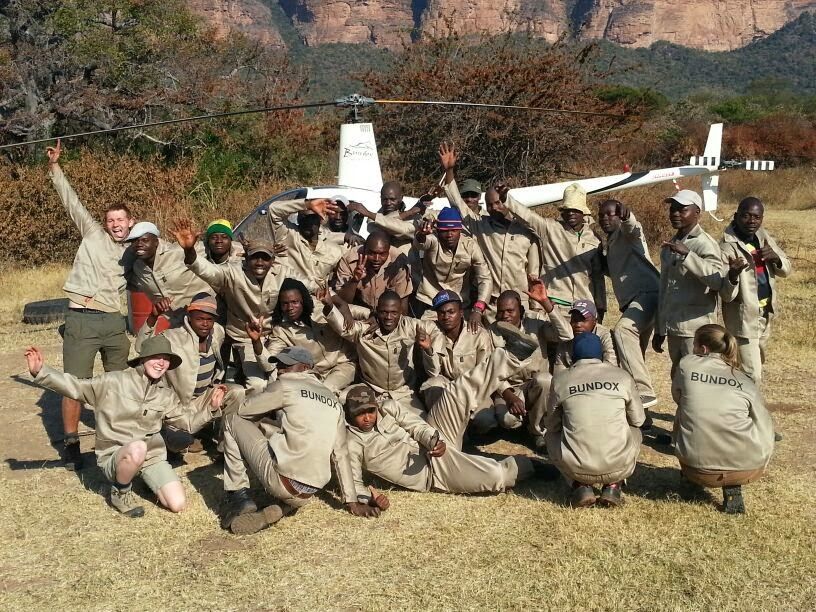
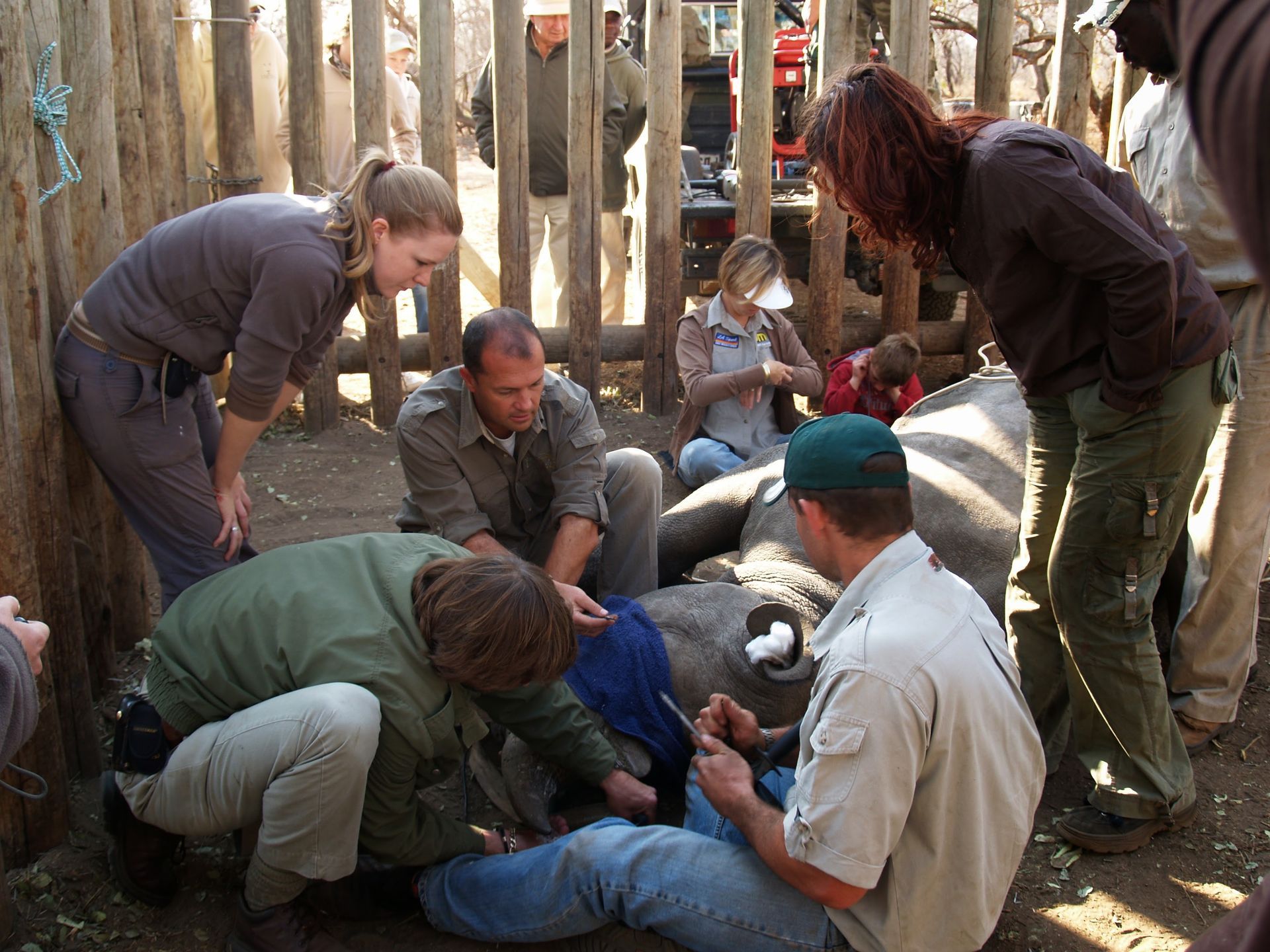
Bundox Game Capture is officially launched, starting with a single vehicle and dart gun. The company becomes renowned for ethical and professional wildlife relocations across South Africa
Bringing Bundox to life
And so, it was. Between 1992 and 1994, Marinus worked with a team of local Mozambicans to build roads and develop the rural Marromeu concession. It was during these years when he was spending time on end in the “bundus” that the seed for the name Bundox was planted. It would be another few years until Marinus’ game capture career took off, but when it did, he looked back on this time in the bush for inspiration. Just like the fond American term “boondocks”, “bundus” refers to wild, isolated back country. The word Bundox is an evolution of this African colloquialism, moulded by the way the Mozambicans pronounced it.
“Bundox,” they said, and it stuck.
By 1996, the demand for game capture and relocation was growing. Phinda Private Game Reserve was established, and the plan was for Mkuze Falls to follow suit, just as soon as it had a greater population of wildlife. These areas had an abundance of nyala, while farmers in Limpopo were experiencing problems with local leopards. And so, the opportunity to capture and move game presented itself.
Marinus took the plunge and launched Bundox Game Capture with one vehicle and a single dart gun. A long relationship with Phinda began as he mastered the art of capturing and moving nyala to the Lowveld and giving problematic leopards a new chance in the protected areas of Kwazulu-Natal.
In the late 1980s, Marinus was working at Mkuze Falls for Anton Marais, a relationship that led him northwards to the Zambezi Delta of Mozambique. The country was still in a state of civil war when Anton acquired a concession in Marromeu – wild, unchartered territory – and assigned Marinus to build a camp there.
2005
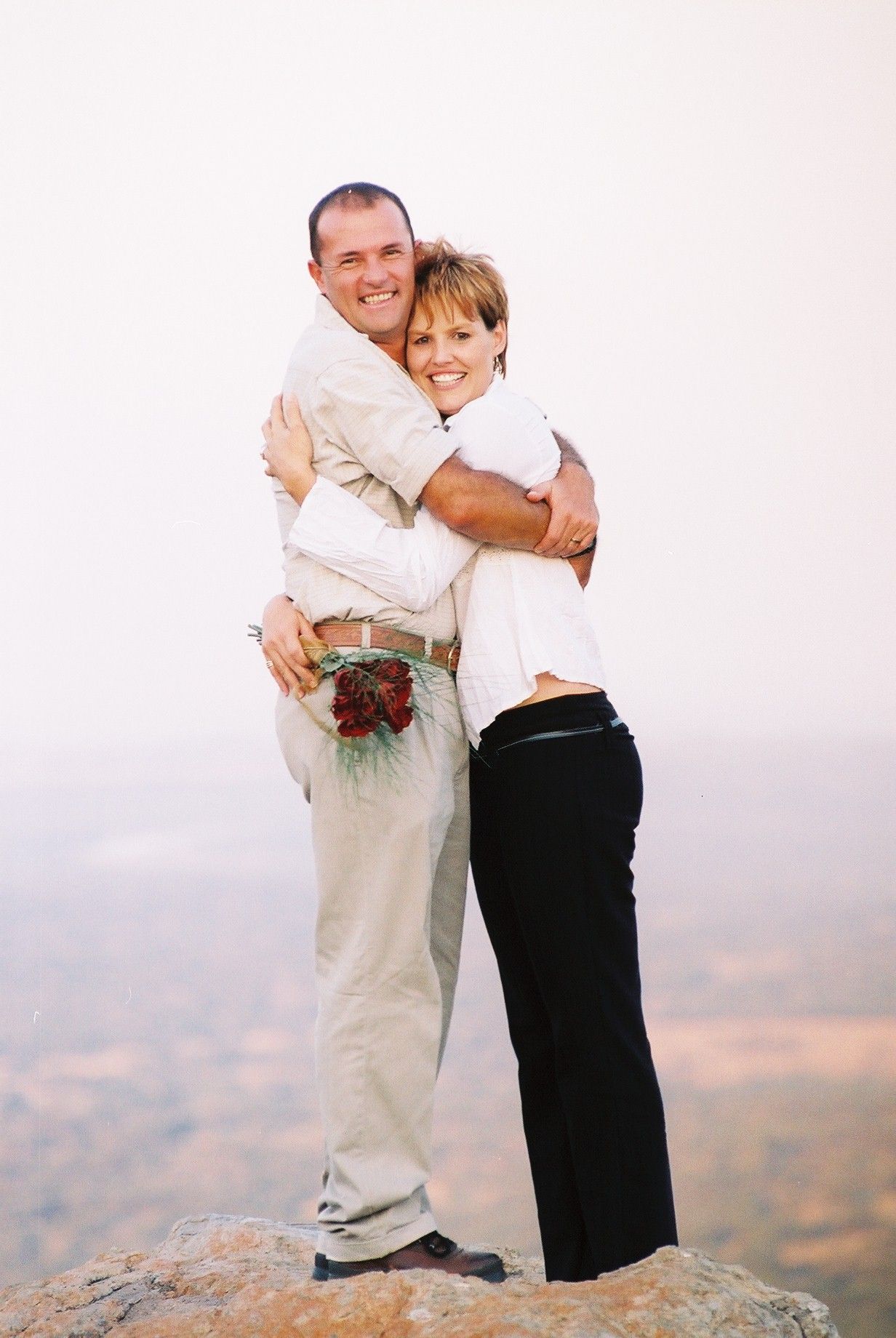
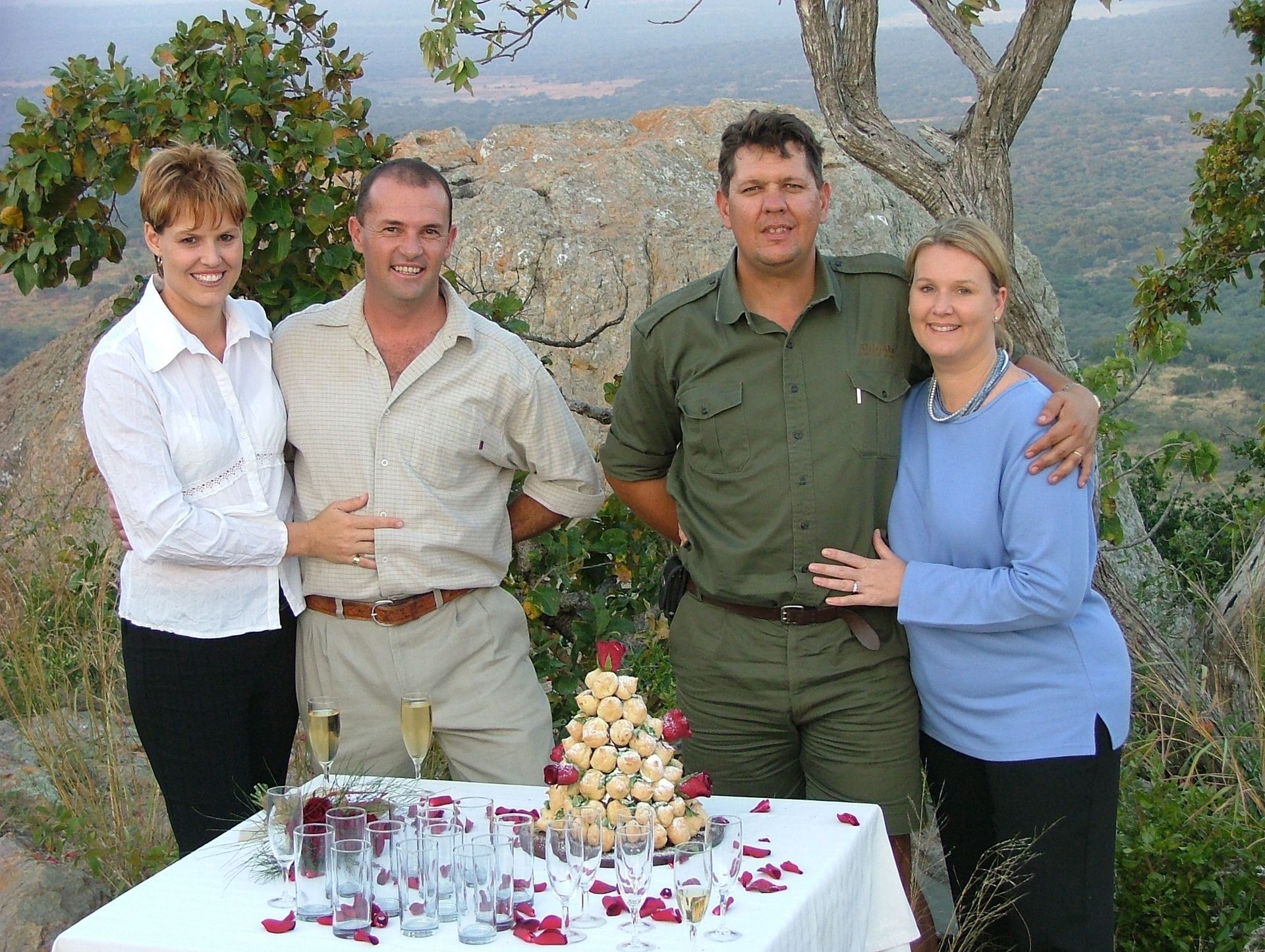
Marinus meets Ida Steenekamp, and together they solidify their partnership both personally and professionally. Bundox grows as Ida brings structure and efficiency, complementing Marinus’ hands-on expertise.
Finding the missing piece
During the years that Marinus was moving game between emerging parks in South Africa in the early 2000s, he met an integral member of the Eko Wild team: Ida Steenekamp, who would later become Ida Smith.
Ida worked for the region’s well-known wildlife vet, managing the reception and bookkeeping of the practice. At that stage, Marinus was working in the field every single day. Their paths crossed regularly, as frequent captures and translocations were taking place. Soon enough, the couple were navigating the complicated lifestyle and long hours that go along with the game capture trade, trying to see each other whenever time allowed. It didn’t take long for Marinus to propose an engagement to Ida, urging her to give him a shot!
In the late 1980s, Marinus was working at Mkuze Falls for Anton Marais, a relationship that led him northwards to the Zambezi Delta of Mozambique. The country was still in a state of civil war when Anton acquired a concession in Marromeu – wild, unchartered territory – and assigned Marinus to build a camp there.
Ida joined Marinus at Bundox, and the company truly began to take flight. Commercial game reserves spread throughout the country and wildlife translocations were in high demand. Developing a powerful partnership in both life and business, Marinus focused on the physical work of game capture while Ida brought order and efficiency to the operation. Together, they established the dynamic brand that grew and evolved from successful game capture and conservation programmes, to versatile safari tourism in the Greater Kruger.
2009
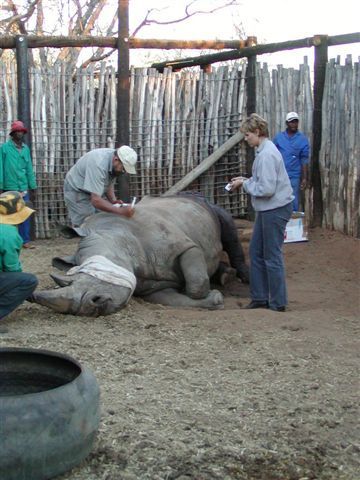
The Smith family relocates to Hoedspruit to expand operations. Marinus faces serious health challenges, eventually discovering severe allergies to certain wildlife, leading to the decision to step back from active game capture.
The big move
In 2009, the Smith family relocated from Mookgophong to Hoedspruit to expand their game capture operations. They settled in the Hoedspruit Wildlife Estate, managing much of the business from their garage. Life on the move presented its challenges—for example, when their son Marco, aged three, accidentally got off at the wrong bus stop while travelling from town to Mariepskop, the family decided to move to Kampersrus, regularly commuting between the game capture sites and their base in Mookgophong where the bomas were located.
During this period, Marinus’ health began to decline. Having dedicated years to performing physically demanding game capture operations, he increasingly experienced unusual symptoms after time in the field, including sinus issues, blurred vision, and a loss of taste. Initial tests were inconclusive, but a specialist scan ultimately revealed a serious allergy to certain animals and grasses encountered during capture work. Emergency surgery was required to reconstruct his sinuses.
Despite careful precautions, when Marinus attempted to return to fieldwork six months later, exposure to the environment triggered severe reactions that led to a lung collapse, necessitating hospitalisation and intensive care. These health challenges ultimately forced a reevaluation of his role in game capture, reshaping the future direction of Bundox —an obstacle that would ultimately reshape the future of Bundox and the family’s transition into safari tourism
In the late 1980s, Marinus was working at Mkuze Falls for Anton Marais, a relationship that led him northwards to the Zambezi Delta of Mozambique. The country was still in a state of civil war when Anton acquired a concession in Marromeu – wild, unchartered territory – and assigned Marinus to build a camp there.

2011–2012
Marinus and Ida launch a game ranger experience programme in Mapungubwe. Inspired by the wilderness, they create Wildside Africa, focusing on immersive conservation and safari experiences.
The birth of Wildside Africa
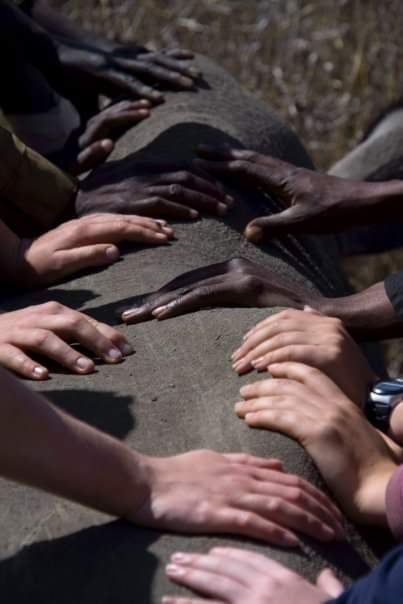
In 2011 and 2012, as Marinus adapted to the limitations imposed by his health, he and Ida launched a game ranger experience programme in Mapungubwe, in the far north of South Africa’s Limpopo Province.
The programme offered research students and volunteers the opportunity to gain hands-on experience in wildlife conservation and environmental studies, bringing their passion for Africa’s wild spaces to life.
It was during one of these trips that the name Wildside Africa was born. Mapungubwe, with its rich natural and archaeological heritage, sparked a deep appreciation for remote, untouched wilderness—an ethos Marinus and Ida had long shared with their children. One evening, as the family sat atop a koppie overlooking the spectacular landscape, the idea came naturally.
“Why don’t we call it Wildside?” Marinus suggested—and just like that, their conservation and tourism venture had found its name, capturing the spirit of adventure, exploration, and respect for the wild.
In the late 1980s, Marinus was working at Mkuze Falls for Anton Marais, a relationship that led him northwards to the Zambezi Delta of Mozambique. The country was still in a state of civil war when Anton acquired a concession in Marromeu – wild, unchartered territory – and assigned Marinus to build a camp there.
2012–2014
Marinus acquires a 37-hectare property in Guernsey, adjacent to Kapama, to establish game capture bomas and build a small tented camp, laying the groundwork for Bundox Safari Lodge. Wildside Africa acquires Indawo Trails Camp, creating an off-the-grid, walking safari experience in the Balule Nature Reserve.
A New Vision: Bomas and Bush Luxury
In 2012, Marinus began searching for a property in the Hoedspruit area to establish game capture bomas and ultimately acquired a small 37-hectare site in the Guernsey area, adjacent to Kapama. This property would later become the well-known Bundox Safari Lodge. Initially, Marinus purchased the land to set up bomas for animal export and built a small tented camp to expand on the existing four accommodation units. However, the dream of animal export was curtailed when a ban was imposed due to outbreaks of diseases such as foot-and-mouth. Fortunately, the accommodations provided a valuable foundation to serve the growing tourism potential of the area.
In the late 1980s, Marinus was working at Mkuze Falls for Anton Marais, a relationship that led him northwards to the Zambezi Delta of Mozambique. The country was still in a state of civil war when Anton acquired a concession in Marromeu – wild, unchartered territory – and assigned Marinus to build a camp there.
By 2014, while Marinus was still managing health challenges from an undiagnosed illness, Wildside Africa acquired its first tented safari camp in partnership with Terry Schultz. Indawo Trails Camp was established on Terry’s concession in the Greater Kruger’s Balule Nature Reserve, designed as a rustic, off-the-grid base for walking safari enthusiasts seeking an authentic, immersive wilderness experience without unnecessary luxuries.
2015
Marinus and Ida exit game capture and expand into Botswana with the purchase of Mankwe Bush Lodge, while leaving Indawo with Terry Schultz. This marks a shift from wildlife management to ecotourism.
A New Chapter: From Game Capture to Ecotourism
By this time, Bundox Game Capture was thriving, and Wildside Africa had quickly gained recognition. True to his driven, hands-on nature, Marinus had played an active role in building both businesses from the ground up. However, with his health considerations in mind, he made the difficult decision to step away from the work that had defined his career and established Bundox over the previous twenty years.
Decades of successful game relocations across Africa remain a cornerstone of Bundox’s legacy, even as the company evolved to embrace a vision for ecotourism, eventually becoming part of the growing Wildside Africa brand. While Marinus would no longer be herding wildlife across the veld, his passion for the bush continued to fuel his ambitions for a life on the wild side.
As he looked toward the future, Marinus travelled across Africa seeking new opportunities. During a visit to Mankwe Bush Camp in Moremi, he arrived in the midst of a heavy rainstorm, soaking wet, when the camp manager approached him with a proposition for a new venture and investment in Botswana. The game capture business was subsequently sold to another operator, with staff who wished to continue in game capture remaining with the new owners on 15 April 2015. Shortly thereafter, on 27 April 2015, Marinus officially signed and sealed the purchase of Mankwe Bush Camp, marking the beginning of an exciting new chapter in ecotourism.
At the same time, Marinus and Ida decided to leave Indawo in the hands of Terry Schultz while pursuing their new ventures in Botswana. (This would not be the end of Indawo—five years later, it would re-emerge as Bundox Explorer Camp, offering simple, eco-luxury safari experiences in premier wilderness territory.)
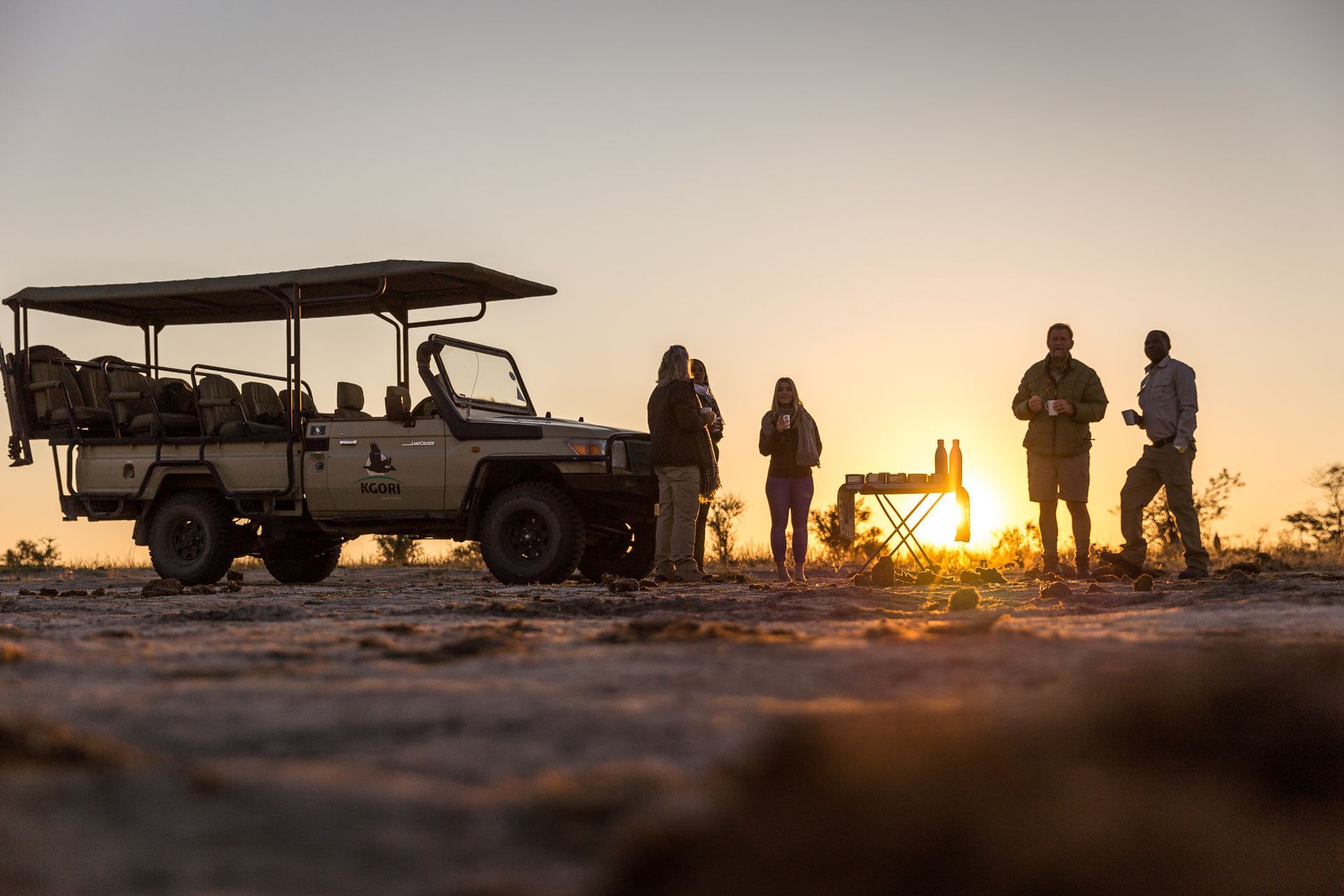
With Mankwe Bush Lodge, located on the Kgori Safaris concession along the eastern boundary of Moremi Game Reserve, Wildside Africa established its first Botswana safari property. Embracing the concept of experiential safaris, the company developed offerings that allowed guests to explore the landscape by boat, on foot, or in a traditional 4x4 safari vehicle. These experiences catered to intermediate-budget travellers seeking authentic wildlife encounters across some of Botswana’s most iconic destinations.
This approach became the defining identity of the company: providing comfort, convenience, and high-quality wildlife experiences for travellers who value immersive safari adventures.
2016
A fire devastates Mankwe Lodge, destroying the main lodge but sparing the tents. The team adapts, keeping operations running while planning a rebuild, demonstrating resilience and determination.
Rising from the ashes
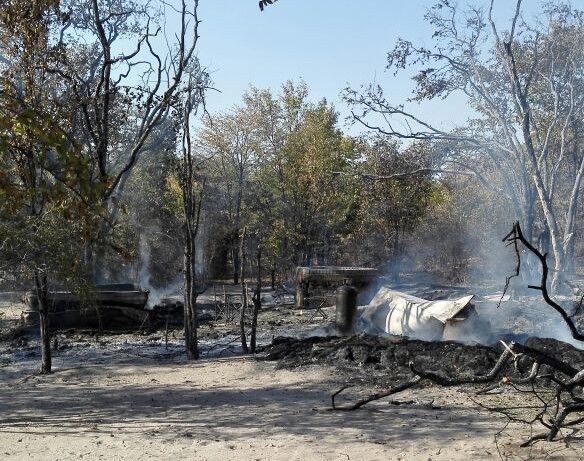
Just one year after Mankwe Bush Lodge opened to the public, disaster struck. On 31 July 2016—on the eve of Botswana’s peak safari season—a fire broke out, engulfing the main lodge, swimming pool, kitchen, and bar. In just 35 minutes, the structure was reduced to ashes. The timing was particularly devastating, as the lodge had recently undergone a full renovation, ready to welcome guests with a fresh, new look.
Fortunately, no one was on the property at the time, as the lodge had been closed for renovations. The combination of high daytime temperatures and highly flammable materials, including thatch, wood, and reeds, allowed the fire to spread rapidly. Exploding gas bottles intensified the blaze as staff watched helplessly from a safe distance. Marinus and Ida, in South Africa at the time, received the shocking news by phone—a major setback for their burgeoning operation.
Despite the devastation, the team acted quickly to manage guest arrangements and salvage what they could. Fortunately, the tents were spared, allowing a temporary solution to keep the lodge partially operational for the following two years while Marinus and Ida awaited the necessary permits to rebuild. This challenge tested the resilience, determination, and vision of the Wildside Africa team, ultimately strengthening their commitment to delivering exceptional safari experiences.
In the late 1980s, Marinus was working at Mkuze Falls for Anton Marais, a relationship that led him northwards to the Zambezi Delta of Mozambique. The country was still in a state of civil war when Anton acquired a concession in Marromeu – wild, unchartered territory – and assigned Marinus to build a camp there.
2019-2020
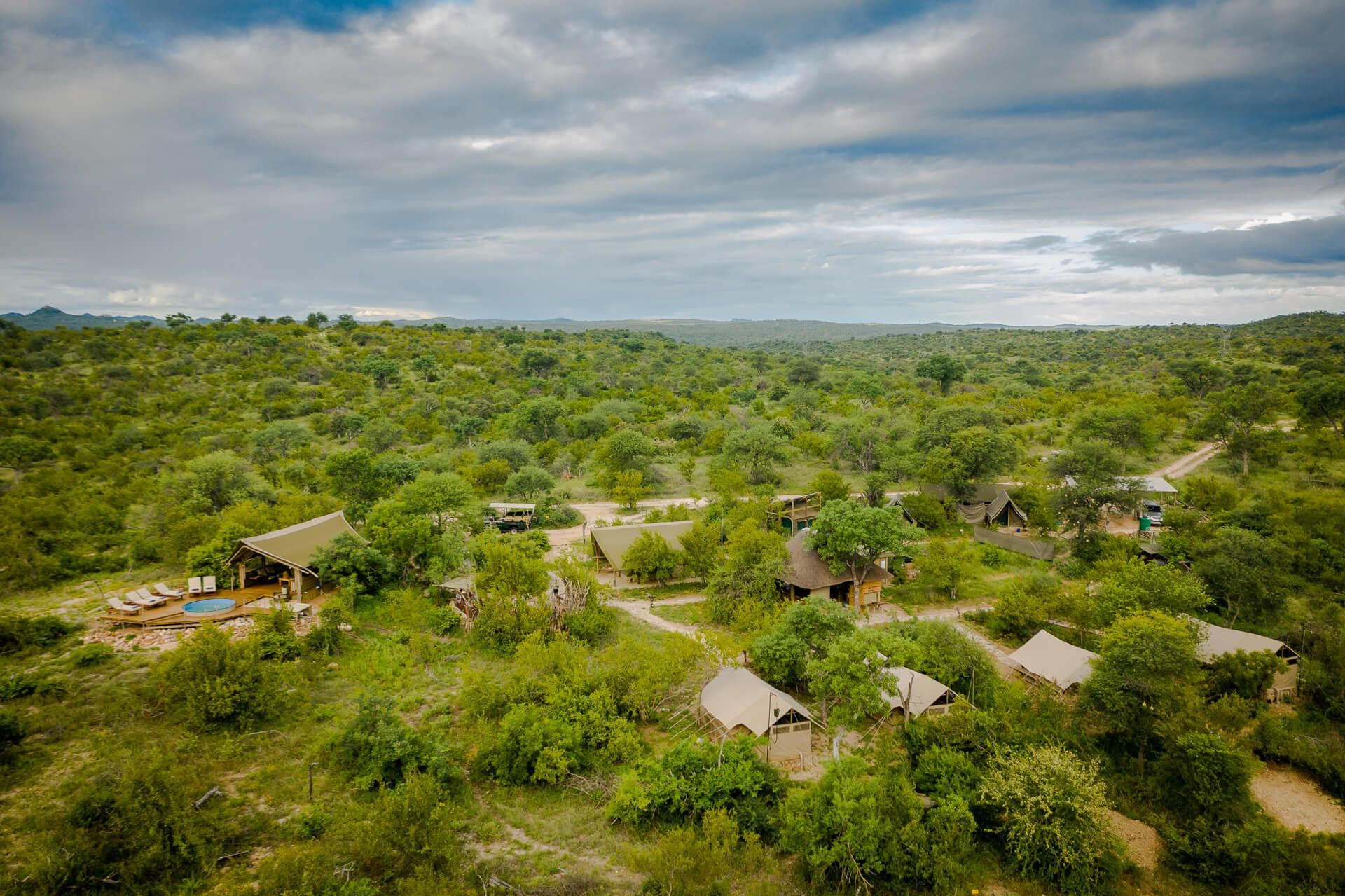
Bundox Explorer Camp opens in the Balule, providing eco-luxury safari experiences. The COVID-19 pandemic presents challenges, but Bundox uses the downtime to strategize for the future.
In with the new!
In February of 2019, the lodge closed for a long-awaited renovation and is due to open in April 2022! Enormous work went into rebuilding Mankwe in its entirety and applying the vision that Wildside Africa has nurtured over the last five years. Mankwe’s new opening is symbolic of rising from the ashes, overcoming adversity, and being determined to bring a dream to life.
Wildside Africa’s license to operate in Botswana also came through in 2019 – a huge milestone and mark of legitimacy that will allow Marinus, Ida and their partners to take their vision to the next level. Bundox Explorer Camp is set to open its canvas doors in 2020 as it re-emerges as a brand new eco luxury location.
We can’t wait to welcome our guests to a new and exciting era, as plans for growth and expansion are well under way. Come and experience our Africa!
“These wilderness areas are for wildlife. They are loaned to us as visitors so that we can help conserve them and sustain their natural integrity.” – Marinus Smith.
Bundox Explorer Camp and a Global Challenge
In 2020, Bundox Safari Co proudly opened its first safari camp offering—Bundox Explorer Camp—located in the Balule Nature Reserve on the site of the original trails camp. Designed to provide guests with an immersive, eco-luxury safari experience, the camp marked a major milestone in the company’s journey, bringing the Bundox vision of authentic African adventures to life.
However, just as the camp was beginning to welcome its first guests, the COVID-19 pandemic hit, disrupting global travel and presenting an unprecedented challenge for the tourism and safari industry.
Despite these obstacles, Bundox Explorer Camp remained a testament to resilience and adaptability, laying the foundation for recovery and future growth once travel restrictions eased.
2021–2022
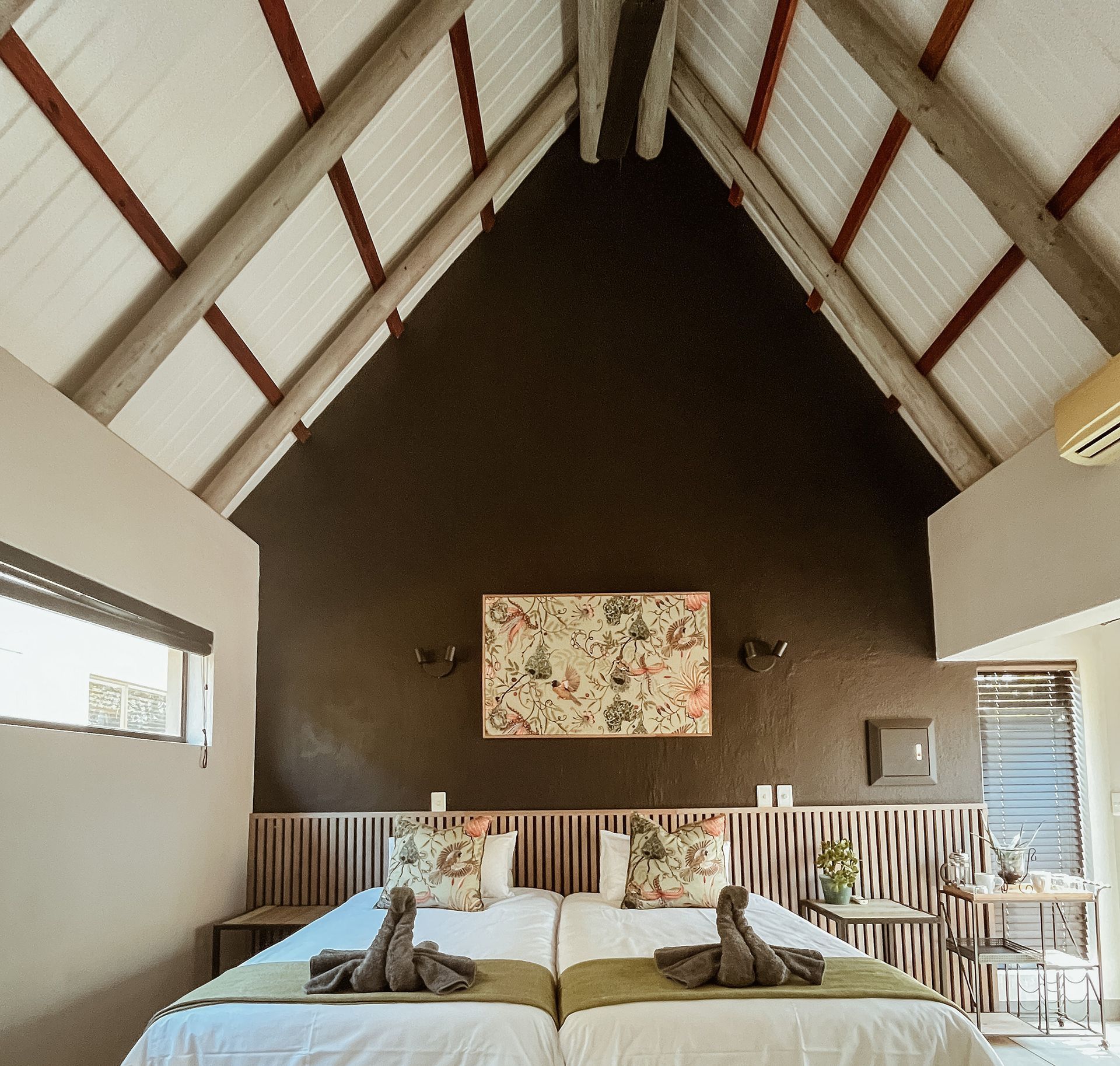
Strategic expansion continues. The Smith family builds a modern luxury bush villa in Hoedspruit, acquires the lease of Hippo Pools Resort to develop Fish Eagle Villa, and finalises plans for Amava River Lodge in the northern Balule
Planning, Expansion, and New Horizons
After finishing school in the Eastern Transvaal, Marinus enlisted in the army where he spent two formative years. Battling with dyslexia, his academic years were a challenge, so he embarked on a practical path that would incorporate his natural skillset and innate knowledge and passion for the outdoors. He and his father – a Forester – started a small fish farm in Pongola. In those days, game farms were used for hunting than far more than for photographic tourism, and there was a hunting farm on the neighbouring property. Marinus began working on the farm part time and quickly learned the ropes. He progressed and qualified with a professional hunting licence; his ticket to a career in the bush.
In the late 1980s, Marinus was working at Mkuze Falls for Anton Marais, a relationship that led him northwards to the Zambezi Delta of Mozambique. The country was still in a state of civil war when Anton acquired a concession in Marromeu – wild, unchartered territory – and assigned Marinus to build a camp there.
2023–2024
Amava River Lodge (initially Bundox River Lodge) opens on 1 April 2023, setting a new standard for tented safari camps. Khanya Conservation Camp is added to the portfolio. Bundox Safari Lodge is sold, and plans are made to relocate it to Balule.
New Opportunities and Strategic Moves
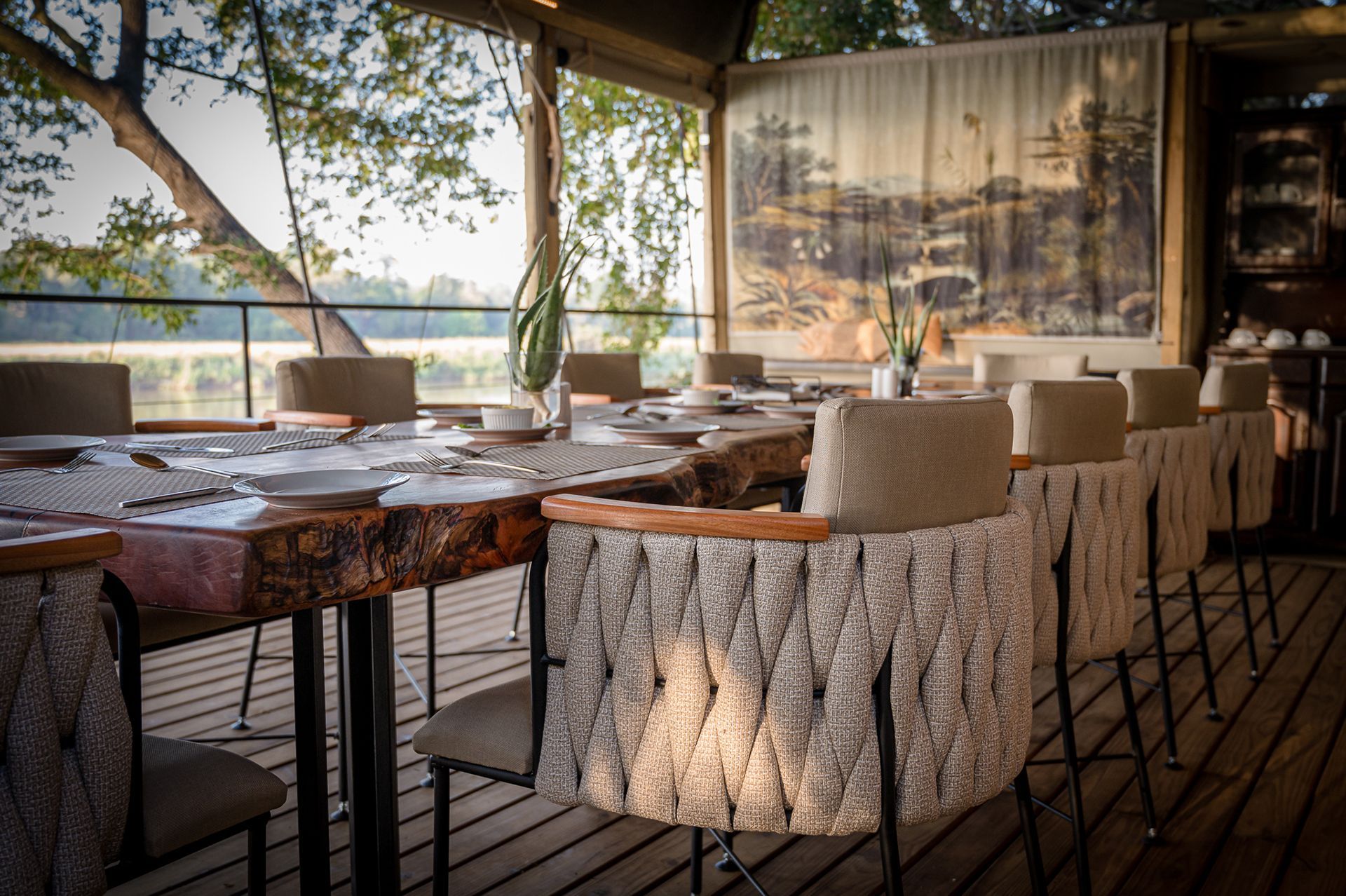
On 1 April 2023, Amava River Lodge officially opened—initially under the name Bundox River Lodge—setting a new benchmark for tented safari camps in the Greater Kruger National Park. The lodge showcased Bundox’s commitment to luxury, immersive safari experiences while maintaining strong conservation and sustainability principles.
Shortly thereafter, another opportunity arose with the acquisition of Khanya Conservation Camp, formerly known as Kingly Bush Camp, further expanding the Bundox Safari Co portfolio and strengthening its presence in the region.
With these developments, a strategic decision was made regarding Bundox Safari Lodge. Operating on the main road and within the constraints of the small Guernsey property posed increasing risks and limitations.
The property was sold, and plans were set in motion to relocate the entire camp to the Balule Nature Reserve within six months, ensuring safer operations and greater long-term growth potential.
In the late 1980s, Marinus was working at Mkuze Falls for Anton Marais, a relationship that led him northwards to the Zambezi Delta of Mozambique. The country was still in a state of civil war when Anton acquired a concession in Marromeu – wild, unchartered territory – and assigned Marinus to build a camp there.
2025
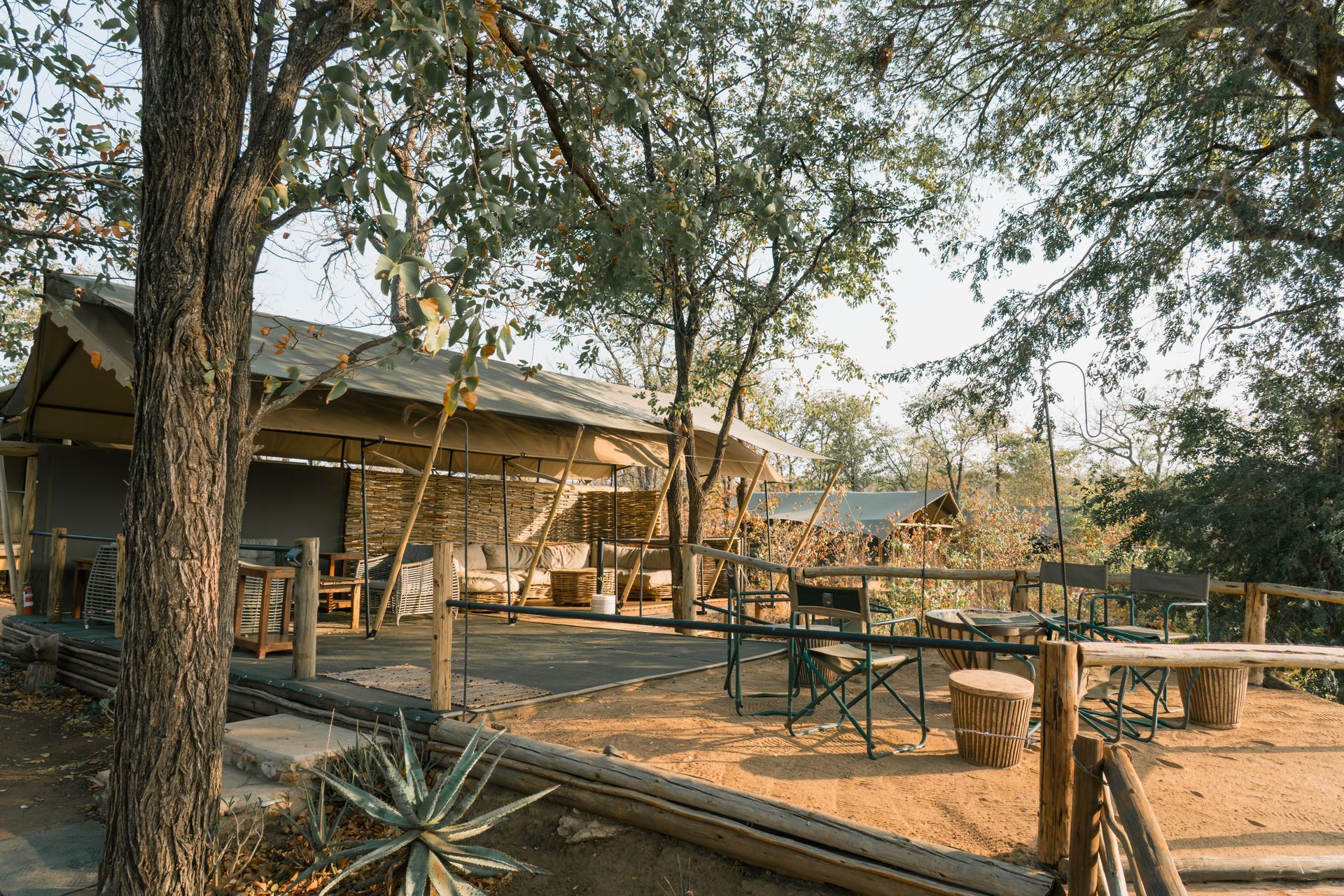
On 15 January, Bundox Safari Lodge begins its relocation. By 1 April, Khanya Conservation Camp opens to guests, showcasing upgraded facilities and a conservation-focused design. Official endorsement from Balule strengthens Bundox’s commitment to sustainable wildlife management, setting the stage for continued growth and exceptional safari experiences
Transition, Transformation, and a Bright Future
On 15 January 2025, Bundox Safari Lodge officially closed its gates to begin the relocation process. Over the following months, the lodge was carefully dismantled and transported 89 km, a meticulous operation that continued until 1 April, when Khanya Conservation Camp welcomed its first guests.
During quieter periods, the lodge underwent significant upgrades and redesigns, transforming the space to embody the charm and spirit of the original Bundox Safari Lodge while introducing a fresh, conservation-focused aesthetic.
Simultaneously, Bundox Safari Co secured official endorsement for its conservation project from Balule, reinforcing its commitment to sustainable and responsible wildlife management. With the camp now open and fully operational, the team is excited about the opportunities ahead and looks forward to delivering exceptional safari experiences while continuing to support conservation initiatives in the region.
In the late 1980s, Marinus was working at Mkuze Falls for Anton Marais, a relationship that led him northwards to the Zambezi Delta of Mozambique. The country was still in a state of civil war when Anton acquired a concession in Marromeu – wild, unchartered territory – and assigned Marinus to build a camp there.