The best Greater Kruger safari packages are not simply the ones with the most activities or the highest-priced lodge. A good package should match your available time, preferred safari style, budget and the experiences you want beyond game drives. Bundox Safari Co. helps travellers explore South Africa through structured safari packages, including multi experience
like our
Live Wild Packages. Before comparing options, it also helps to check current
Bundox availability.
Key Takeaways
- The best Greater Kruger safari package depends on the type of safari you want, not only the lodge or nightly rate.
- Compare accommodation, game drives, meals, transfers, conservation fees and additional activities before comparing prices.
- A single-lodge safari works well for travellers wanting to settle into one location, while a multi-location package can introduce different landscapes and experiences.
- Game drives may be central to the safari, but conservation, walking, birding, retreat time and other experiences can add more depth to the journey.
- Good safari packages should make the logistics clear, including airport transfers, inter-camp transfers, meals, activities and exclusions.
- The strongest package is usually the one where each part of the itinerary has a purpose rather than simply adding more stops.


What Should a Greater Kruger Safari Package Include?
When comparing Greater Kruger safari packages, start by looking at the whole journey rather than the accommodation alone.
A safari lodge may be where you sleep, eat and spend time between activities, but the actual safari experience is shaped by much more. Game drives, guiding, reserve access, transfers, meals, conservation fees, additional experiences and the amount of time available at each location all influence what you receive from the package.
At a minimum, travellers should understand exactly what is included before booking.
Accommodation is the obvious starting point. Check the room or tent category, number of nights, whether the rate is per person or per room and whether the package requires a specific occupancy arrangement. Next, look at safari activities.
Many Kruger safari packages include morning and afternoon game drives, but the exact activity structure can vary. Some packages may include additional guided experiences, while others make these optional.
Meals are another important consideration. Check whether breakfast, lunch and dinner are included and whether drinks are part of the rate or charged separately. Then there are the less visible elements.
Conservation levies, reserve fees, airport transfers and transfers between camps may represent a meaningful part of the overall cost. A package that includes these can initially look more expensive than another option, while actually covering considerably more of the journey.
This is why the question should not simply be:
How much does the package cost?
It should also be:
What will I still need to organise or pay for once I have booked it?
Well-structured South Africa safari packages make these details clear before the traveller arrives.
Safari Lodge Stay vs Multi-Location Safari Package
Not every safari needs multiple camps.
For some travellers, staying at one lodge is exactly the right choice.
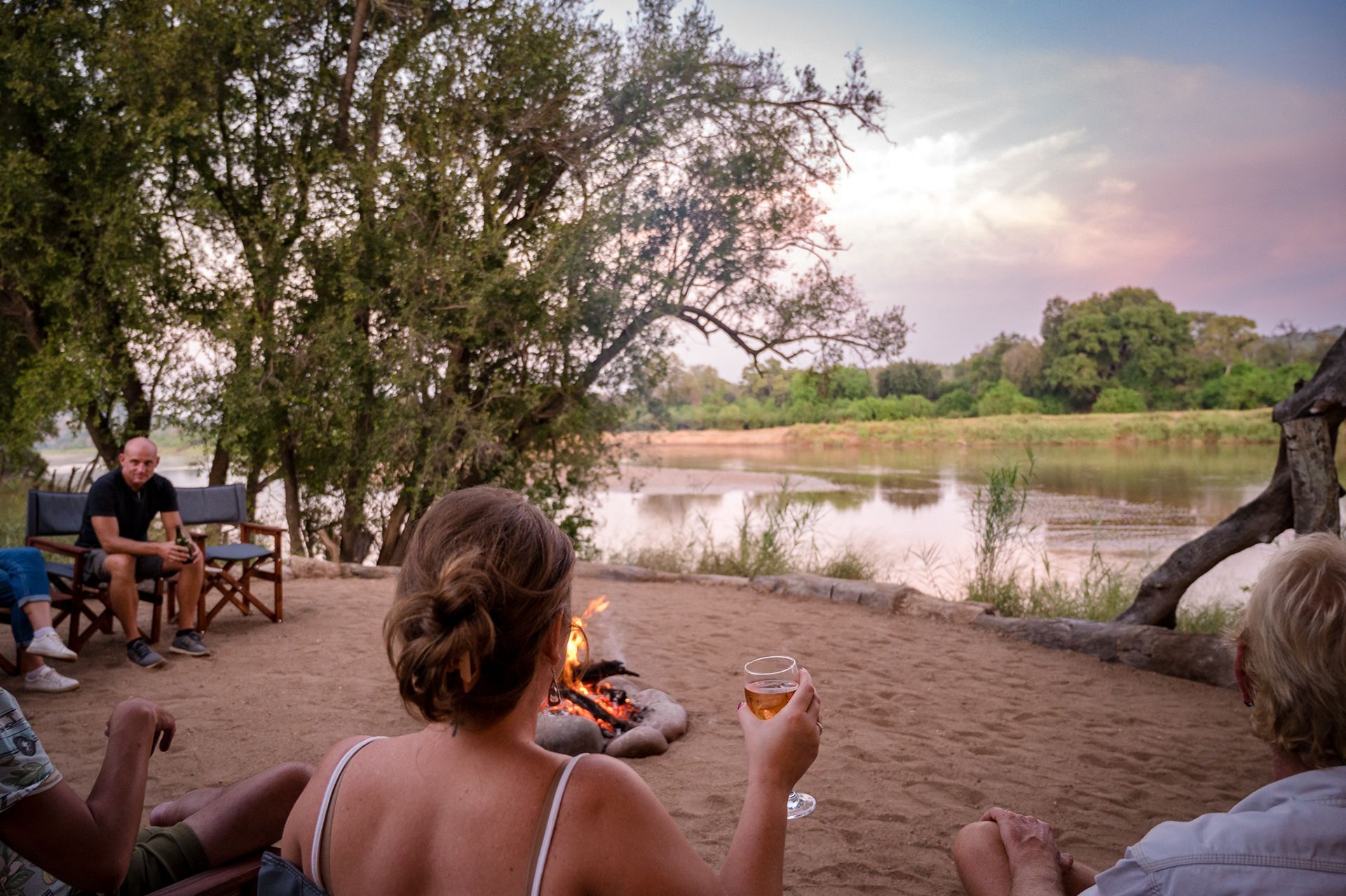
A single-lodge stay allows you to unpack once, become familiar with the camp and settle into the daily safari rhythm. Morning game drives, breakfast, quieter afternoons and evening activities begin to form a routine rather than feeling like separate appointments.
This can be particularly valuable on a shorter Greater Kruger safari. The alternative is a multi-location safari package. Moving between camps can create a very different journey, but only when the locations have been chosen for a reason.
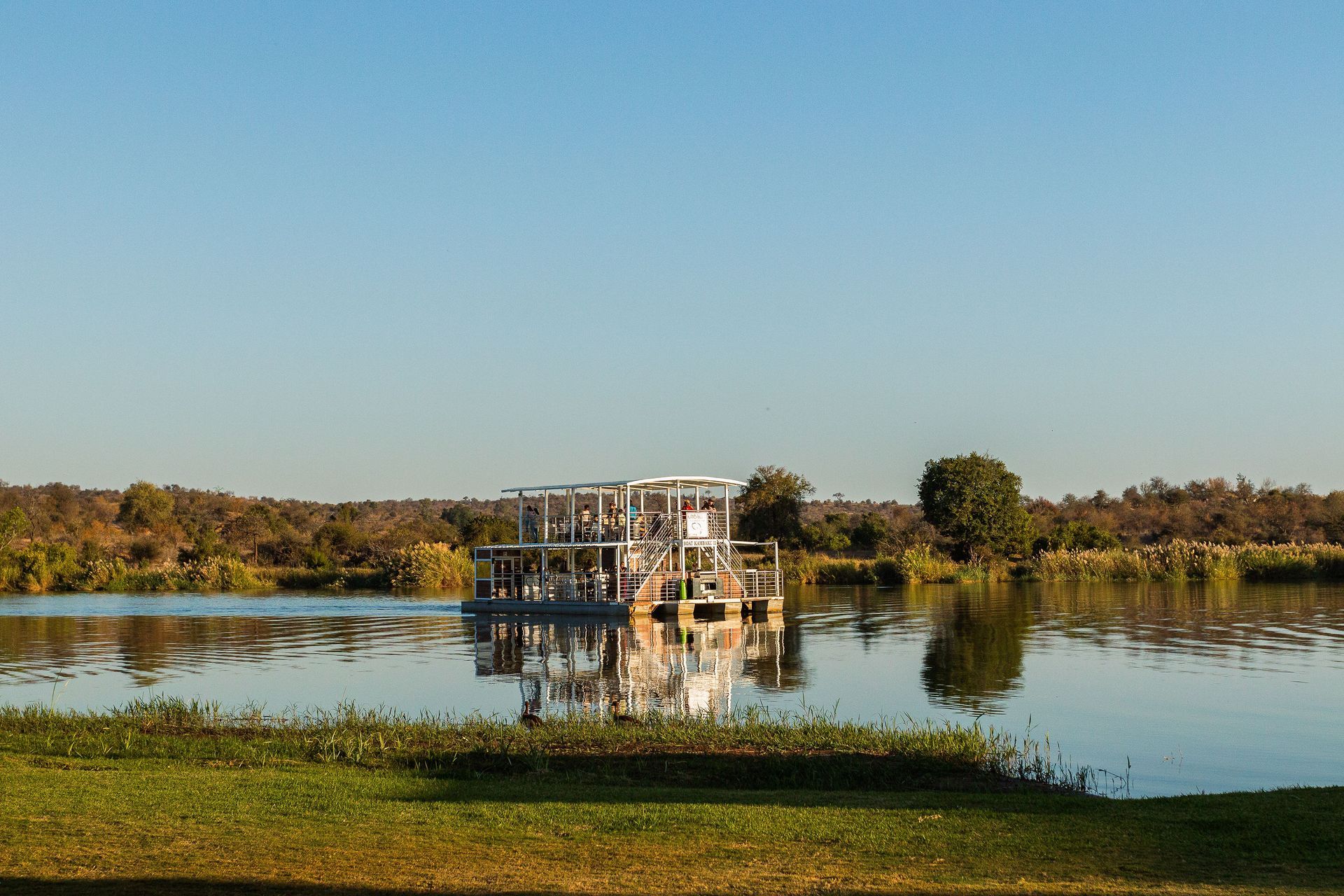
Changing properties simply to sleep somewhere different does not automatically improve a safari. Every move takes time, and unnecessarily complicated itineraries can reduce the time available to actually enjoy the bush. A stronger multi-location package gives each stop a different role. One part of the journey may focus heavily on traditional wildlife viewing. Another might introduce conservation. Another could create space for walking, birding, riverside time or a quieter retreat.
This is one of the ideas behind Bundox's Live Wild Packages. Rather than treating a safari as a repeated cycle of lodge, game drive and another lodge, the packages are designed around different ways of experiencing the wild. Neither approach is automatically better.
Choose a single lodge when your priority is staying settled and experiencing one safari environment in greater depth. Consider multiple locations when the change in camp, landscape or activity genuinely adds something new to the journey.
Game Drives, Conservation and Experiences Beyond the Lodge
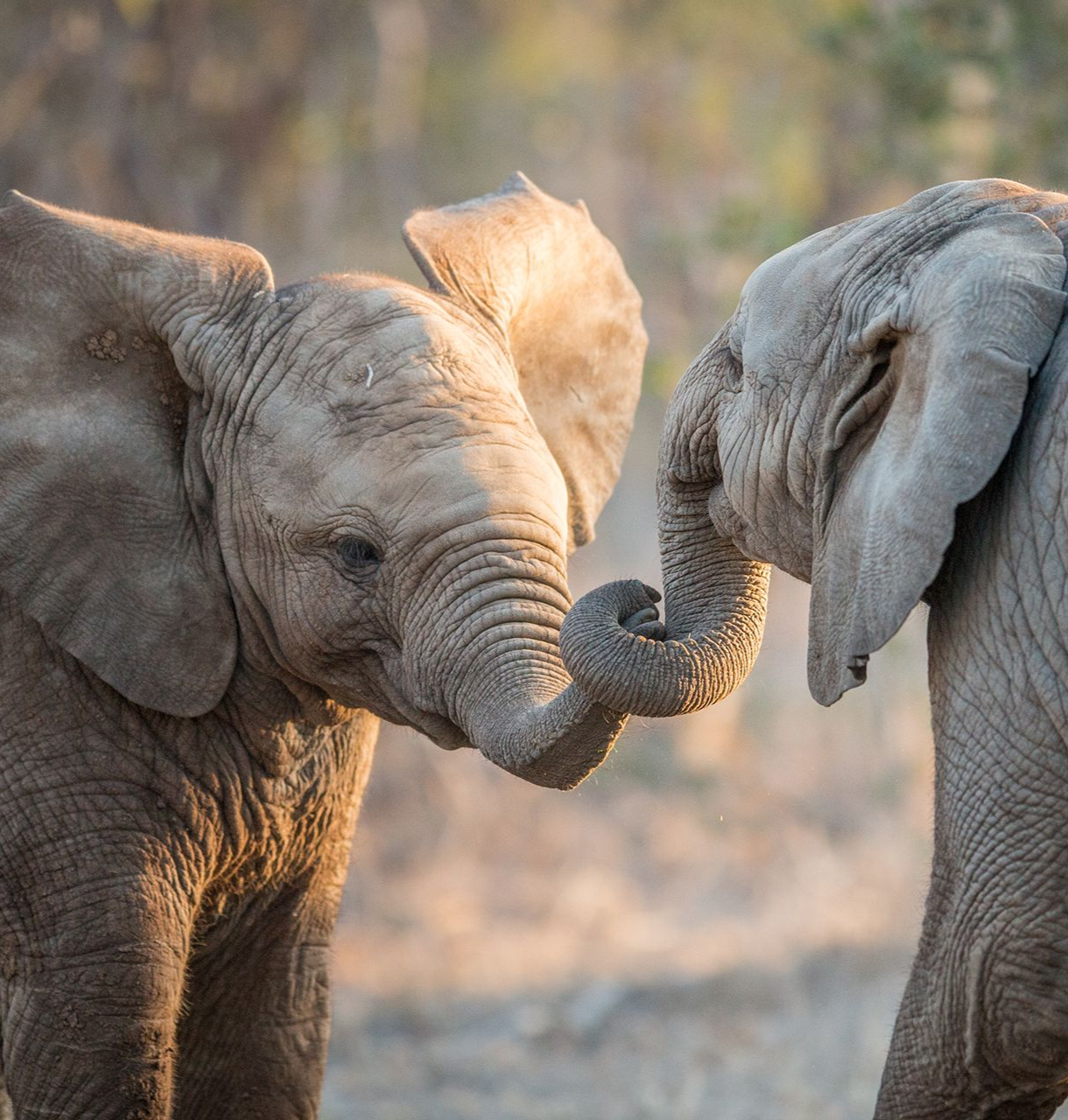
For most travellers, wildlife viewing is one of the main reasons for visiting the Greater Kruger.
Morning and afternoon game drives therefore remain an important part of many Greater Kruger safari tours and packages. But game drives do not have to be the entire safari.
A traveller may spend several days in the region, and repeating exactly the same format every day is not always the best use of that time.
This is where additional experiences can change the character of a safari.
Conservation
Conservation-led experiences can help travellers understand what happens behind the wildlife sightings. A safari ecosystem is not maintained by game drives. Wildlife management, habitat protection, research, monitoring and conservation initiatives all form part of the wider picture.
Including a conservation component can therefore add context to what travellers see from the safari vehicle.
Guided Trails and Walking
Experiencing the bush on foot changes the scale of the safari. From a vehicle, attention naturally moves towards larger wildlife and broader landscapes. On foot, tracks, plants, insects, sounds and smaller ecological details become more noticeable.
For travellers who want a more active wilderness experience, guided trails can create a useful contrast with traditional drives.
Birding
Birding can also shift the way travellers experience a safari.
Instead of focusing primarily on large mammals, birding encourages closer observation of habitat, seasonality, behaviour and the smaller movements occurring throughout the landscape. Specialist and enthusiastic amateur birders may therefore prefer South Africa safari packages that allow birding to form a meaningful part of the itinerary rather than treating it as something incidental.
Retreat Time
More activity is not always better.
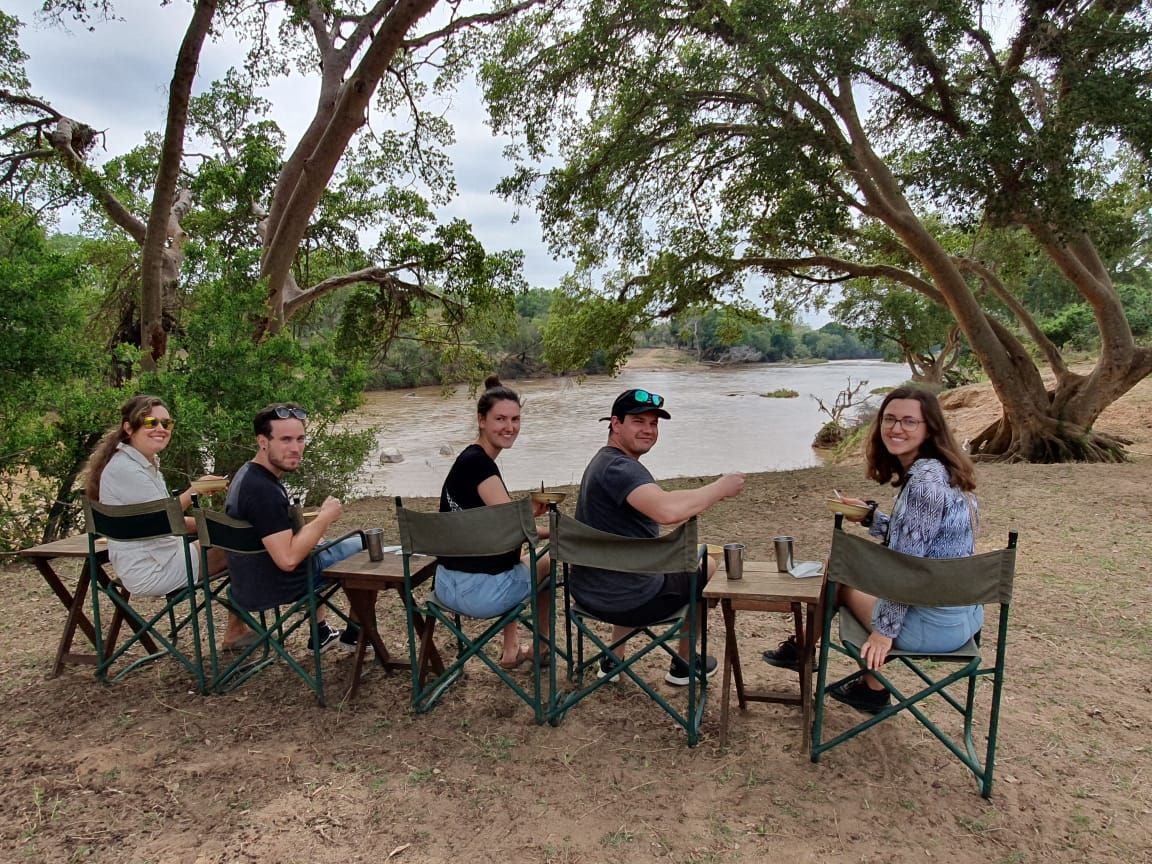
A safari package should also allow time to stop. Quiet afternoons, river views, meals, time around camp and simply listening to the bush are part of the safari experience. Filling every available hour with another excursion can turn a wilderness journey into a timetable.
The best packages balance activity with space.
That balance becomes particularly important when combining safari with conservation, trails, birding or retreat experiences. Travellers can explore the different approaches within Bundox's Live Wild safari collection when deciding what type of journey suits them.
Transfers, Meals and Logistics to Compare Before Booking
The most memorable parts of safari usually involve wildlife, landscapes and camp life.
The least memorable parts should be the logistics. That does not mean logistics are unimportant. It means they should work well enough that travellers do not have to think about them constantly.
This is particularly relevant when comparing Kruger safari packages involving more than one location.
Start with arrival.
How do you get from the airport to the lodge?
If the package begins in the Greater Kruger, check whether the airport transfer is included, offered as an optional extra or needs to be arranged separately.
Then look at movement between camps.
A multi-location itinerary should explain who handles the transfers and how the timing fits with the safari programme. Moving camps should not result in travellers repeatedly missing included activities because transfer times were not considered when the itinerary was designed. Meals need the same scrutiny.
Check:
- Which meals are included?
- Are drinks included or excluded?
- Are meals provided on transfer days?
- Are there any activities where meals or refreshments are handled differently?
Also look for reserve, conservation and tourism levies.
Two safari packages with similar accommodation prices can have very different final costs when these charges are added. Optional activities should be separated clearly from included experiences.
There is nothing wrong with a package offering extras. In fact, having optional experiences can make an itinerary more flexible. The important part is knowing what is included in the advertised package and what will change the final price.
Travel dates matter too.
Safari accommodation has limited inventory, and certain package combinations may depend on availability across multiple camps. Travellers considering Bundox can check current safari availability before progressing with their preferred itinerary.
A well-designed safari should ultimately answer four basic logistical questions:
- Where am I staying?
- How am I getting there?
- What am I doing?
- What is included?
If those answers are unclear before booking, comparing packages becomes unnecessarily difficult.
How to Compare Greater Kruger Safari Packages
There is no single best safari package in South Africa for every traveller.
The useful comparison is not between the longest itinerary and the shortest, or the cheapest lodge and the most expensive.
It is between what each package offers and what you actually want from the journey.
When comparing your options, consider these areas.
1. Location
Start with where the safari takes place.
The Greater Kruger includes Kruger National Park as well as private reserves and safari areas within the wider region. Different locations operate differently, so understand where the accommodation is situated and what type of safari access comes with the stay.
2. Number of Nights
A longer package is not automatically better. Look at what happens during those nights.
If a six-night itinerary includes constant transfers and repeated experiences, it may offer less useful safari time than a shorter, more deliberately structured journey.
Duration should support the experience rather than becoming the objective.
3. Safari Activities
Check how many game drives or guided safari activities are included. Then look beyond the number.
Are all the activities similar, or does the itinerary introduce different ways of experiencing the landscape?
4. Accommodation Style
Safari accommodation ranges from more traditional bush camps and tented camps to villas and retreat-style properties.
The best choice depends on how much time you expect to spend at the property and what level of privacy, comfort and atmosphere matters to you.
Bundox's wider South Africa safari collection can help travellers understand how different accommodation and journey styles can fit into a broader South African trip.
5. Inclusions
Compare packages on a like-for-like basis.
Look at:
- Accommodation
- Meals
- Game drives
- Guided activities
- Airport transfers
- Inter-camp transfers
- Conservation and reserve fees
- Drinks
- Optional activities
- Other listed extras
A lower advertised price is not necessarily better value if several important parts of the journey need to be added separately.
6. Variety
Ask whether the itinerary changes as the journey progresses.
If you are moving between locations, each one should ideally contribute something distinct.
This could be a different safari environment, conservation experience, trail, birding focus, retreat setting or another part of South Africa entirely.
7. Flexibility
Finally, consider whether the package can be adapted or extended. Some travellers want a focused Greater Kruger safari and nothing more.
Others are travelling a long way to reach South Africa and want to make more of the journey.
An established safari package can therefore work well as a foundation rather than necessarily being the entire holiday.
Bundox's
safari packages provide different starting points, while additional experiences can be used to build a wider itinerary around the core safari.
Explore Bundox Live Wild Safari Packages
Once you know what to compare, the next step is choosing the type of safari you actually want to experience.
Bundox's Live Wild Packages are designed for travellers who want the journey to extend beyond a single lodge stay or a repeated game-drive routine.
The collection brings together different approaches to the Greater Kruger experience, including conservation, retreat, guided trails and birding. Different camps, activities and settings are connected to create a journey with progression rather than simply adding more nights.
Travellers who want to take the journey further can also explore Live Wild Plus, adding experiences such as the Panorama Route, additional Kruger time, stargazing and sleep-out experiences, or South Africa's Winelands.
Explore the current
Live Wild Packages, check
availability, or discover more ways to experience South Africa with
Bundox Safari Co..
Frequently Asked Questions
Which part of Greater Kruger is best for a safari?
There is no single part of Greater Kruger that is best for every traveller. The right area depends on the type of accommodation, reserve experience, wildlife priorities, budget and activities you want.
Private reserve stays can suit travellers looking for a more guided lodge-based safari, while Kruger National Park offers a different structure and a much larger public protected area to explore.
When choosing between Greater Kruger safari packages, look at the actual reserve or location included rather than relying only on the lodge name.
What is the difference between Kruger National Park and the Greater Kruger private reserves?
Kruger National Park is the national park itself. The term Greater Kruger generally refers to the wider wildlife and safari region surrounding and connected with Kruger, including a number of private reserves and conservation areas.
The safari experience can differ substantially between them.
Private reserves commonly structure stays around lodge accommodation and guided safari activities, while Kruger National Park also allows travellers to explore through its public road network and accommodation system.
Neither is automatically better. They offer different ways of experiencing the wider Kruger ecosystem.
How much does a Greater Kruger safari package cost?
The cost of a Greater Kruger safari package varies according to accommodation, duration, season, number of travellers, activities and what the rate includes.
Instead of comparing the headline price alone, check whether meals, game drives, transfers, conservation fees and other experiences are already included.
Two packages with very different prices may become much closer once the full cost of the journey is considered.
What should a Greater Kruger safari package include?
A Greater Kruger safari package should clearly explain the accommodation, number of nights, included safari activities, meals, transfers and any conservation or reserve fees.
Travellers should also be able to identify what is excluded.
More comprehensive packages may combine several camps or include conservation, walking, birding or other experiences, but these additions should have a clear purpose within the itinerary.
How do I compare safari lodges and packages in Greater Kruger?
Compare the complete experience rather than simply comparing lodge rates.
Look at location, number of nights, guiding, game drives, accommodation style, meals, transfers, fees, optional extras and the amount of usable safari time.
Also consider whether the package suits your preferred travel style.
A traveller wanting a traditional lodge safari may make a very different choice from someone looking for a journey involving conservation, trails, birding or several different locations.
Frequently asked questions

Subscribe to Our Newsletter