The best time for a safari getaway in Greater Kruger depends on whether you prefer dry-season wildlife viewing, green summer landscapes, birding, warmer weather or quieter travel periods. At Bundox Safari Co., travellers can compare our safari lodges and camps, explore longer safari packages, view current Wild Escapes and seasonal specials, or contact our team for planning assistance.
Key Takeaways
- Greater Kruger offers rewarding safari conditions throughout the year.
- Winter is generally cooler and drier, with more open vegetation and greater reliance on permanent water sources.
- Summer brings greener landscapes, warmer temperatures, seasonal rainfall and strong birding.
- The best time to visit Greater Kruger depends on your interests, comfort preferences and available travel dates.
- A short safari requires careful attention to arrival times, travel distances and the location of the camp.
- Wild Escapes are released for selected camps and travel periods, giving travellers seasonal getaway options throughout the year.
- The right camp and itinerary structure can matter more than choosing a supposedly perfect month.
Why the Best Safari Season Depends on the Traveller
There is no single month that is best for every Greater Kruger safari.
The region changes throughout the year, and each season brings a different atmosphere, landscape and daily rhythm. The right time to travel depends on what you want from the getaway.
Some travellers prioritise wildlife viewing in dry conditions. Others want green scenery, summer birdlife or warmer evenings. Couples planning a quiet escape may value camp atmosphere and privacy more than any particular month. Photographers may choose dates according to light, vegetation and the type of images they want to create.
Your preferred experience should guide the decision.
A winter safari getaway may suit you if you prefer:
- Cooler mornings and evenings
- Lower humidity
- Drier landscapes
- More open vegetation
- Classic neutral-toned safari photography
- A greater need for wildlife to remain near reliable water sources
A summer safari getaway may suit you if you prefer:
- Green landscapes
- Warmer temperatures
- Dramatic skies
- Seasonal rainfall
- Strong birding
- New growth and a more lush bushveld environment
The best time to visit Greater Kruger also depends on how safari fits into the rest of your journey.
A traveller adding two or three nights to a summer South African holiday may make a different decision from someone planning a dedicated winter safari. A regional road trip, international flight schedule or visit to another part of the country may determine the available dates before the safari season is considered.
This does not mean accepting an inferior experience.
It means choosing the strongest getaway within the dates you realistically have available.
Greater Kruger is not a destination that becomes inactive outside one narrow travel season. Wildlife remains present throughout the year. What changes is how the landscape looks, where animals may move, how comfortable the temperatures feel and how the day is structured.
For a commercial decision, travellers should compare the season, camp, inclusions, transfer logistics and length of stay together rather than selecting dates based on one factor.
The Character of a Winter Safari Getaway
Winter in the Greater Kruger generally falls across the cooler, drier part of the year.
Mornings can be cold, especially on an open safari vehicle before sunrise. Temperatures usually rise as the day progresses, with clear skies and comfortable daytime conditions common during the season.
The bush also changes visibly.
As seasonal water sources decrease and vegetation becomes drier, the landscape may feel more open. This can improve sightlines in some areas, although wildlife sightings always depend on animal movement, guiding, location and chance.
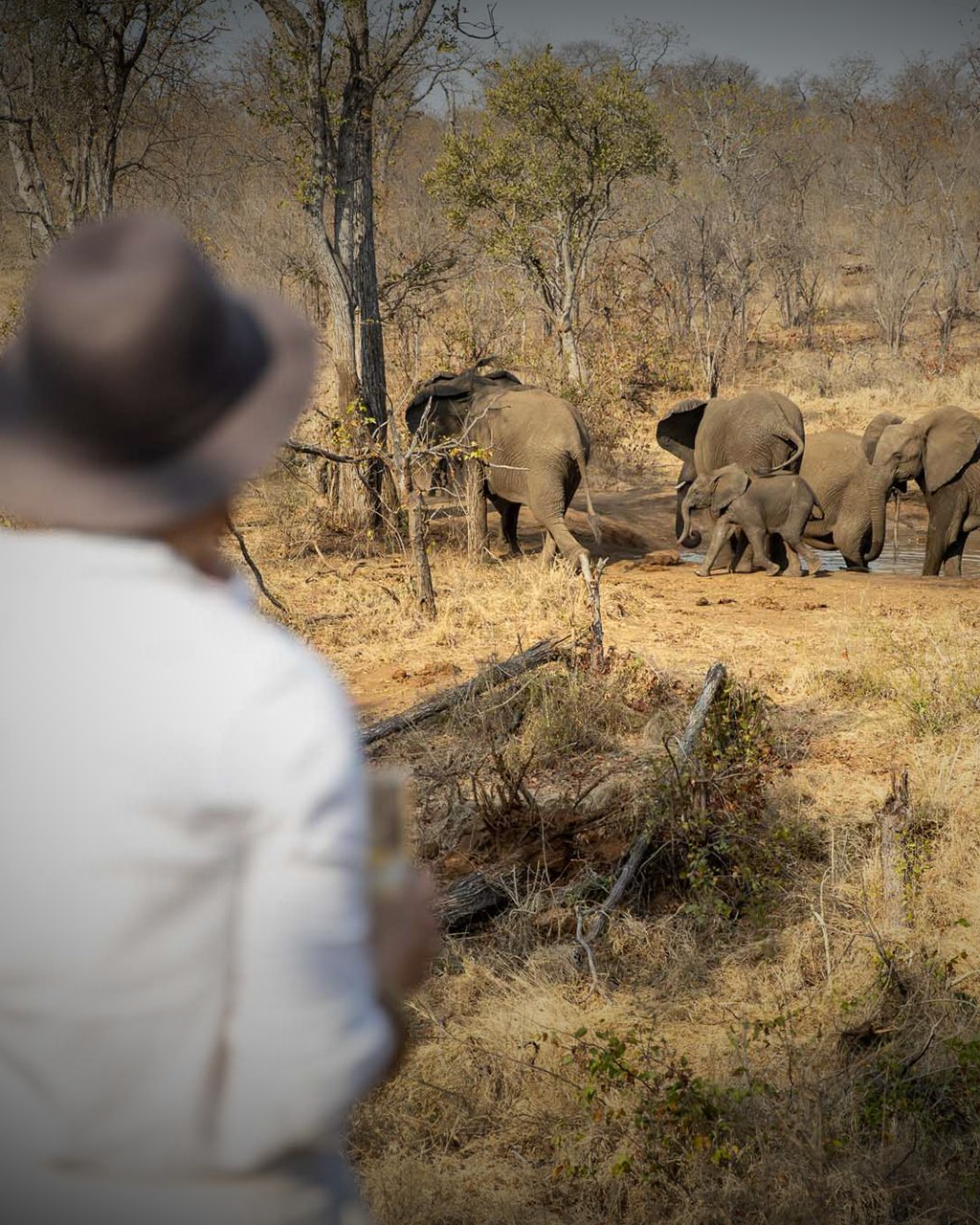
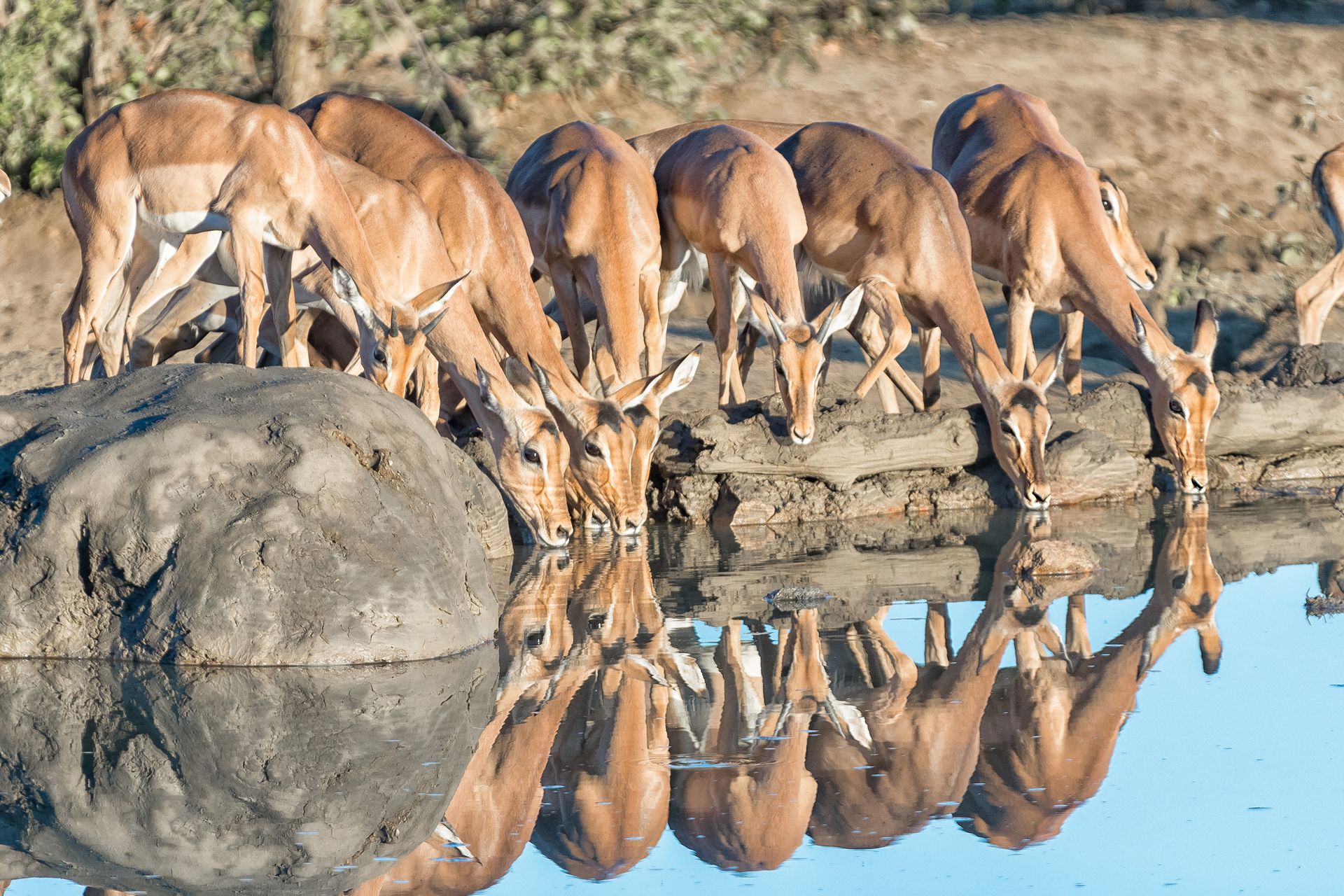
Permanent water sources become increasingly important during dry periods. Animals may spend more time near rivers, dams and waterholes, creating opportunities to observe several species within the same area.
Why Travellers Choose Winter
Winter is often associated with traditional safari conditions.
The cooler weather suits travellers who do not enjoy high temperatures or humidity. Dry roads can make travel more predictable, and the open vegetation can support wildlife viewing and photography.
Winter may be particularly attractive to:
- First-time safari travellers
- Wildlife-focused guests
- Photographers seeking clearer sightlines
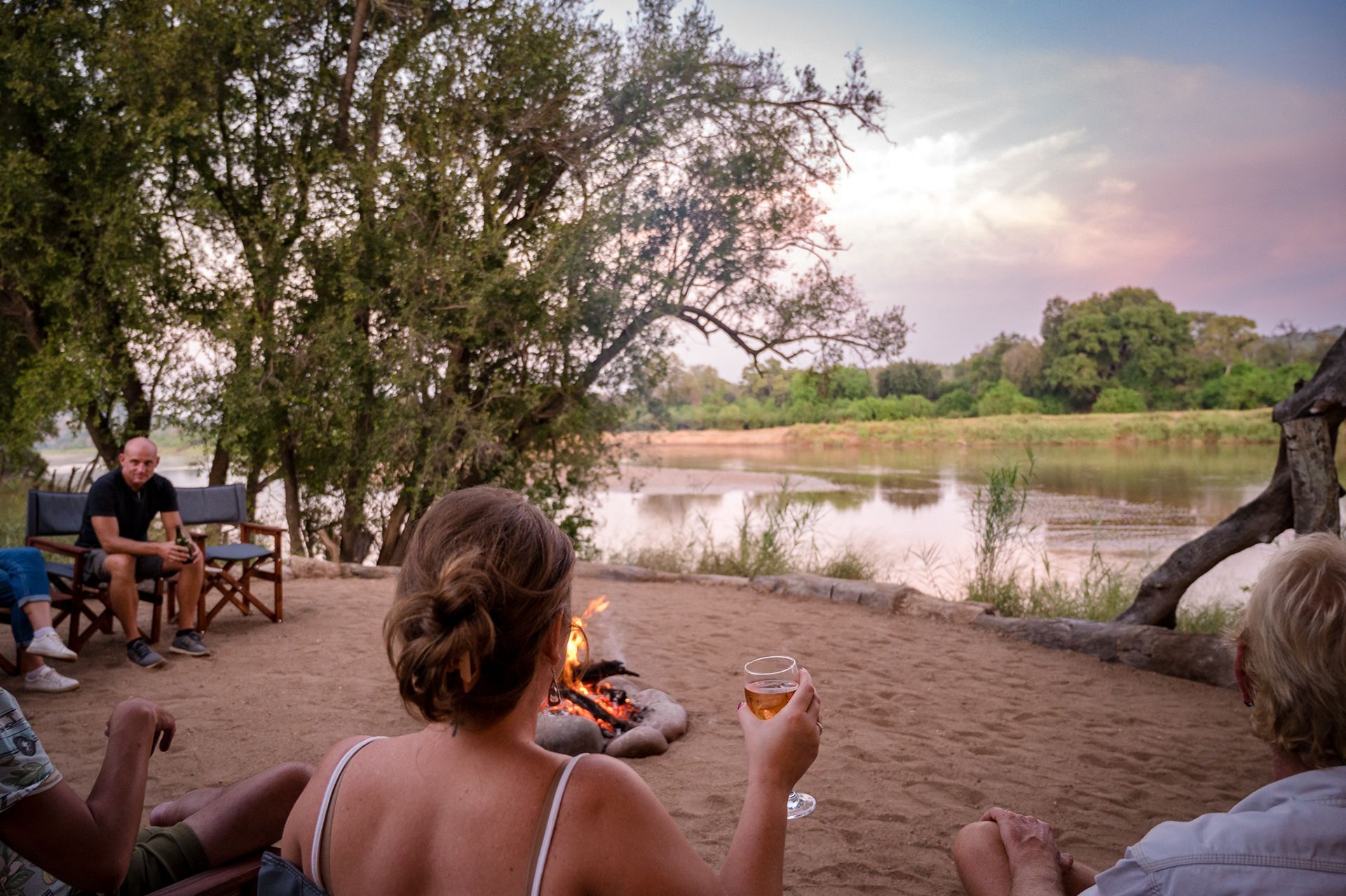
- Couples wanting cool evenings around the fire
- Travellers combining safari with other South African destinations
- Guests who prefer lower temperature and humidity
The season also supports a distinct camp atmosphere.
Early departures require warm clothing, and the temperature difference between dawn and midday can be significant. Afternoons may be mild, while evenings encourage guests to gather around the fire or enjoy a slower dinner after the day’s activities.
The Practical Side of a Winter Getaway
Travellers should not mistake South African winter for consistently warm safari weather.
An early morning game drive can feel very cold once the vehicle is moving. Wind chill matters, even when the forecasted daytime temperature appears moderate.
Layering is therefore essential.
A warm jacket, closed shoes, long trousers, gloves, a scarf and a beanie may all be useful before sunrise. These can be removed as the day warms.
Winter is also a popular safari season, particularly for travellers prioritising wildlife viewing. Availability at preferred camps may become limited, so it is sensible to begin comparing Greater Kruger getaway options early.
The best winter safari is not simply the one booked during the driest month. It should also provide suitable travel times, the right camp style and enough time to enjoy the destination.
The Greater Kruger in Summer
Summer transforms the Greater Kruger.
Seasonal rainfall brings new growth, greener landscapes and a different energy to the bush. The environment becomes more colourful, bird activity increases and dramatic clouds can reshape the light throughout the day.
Summer is warmer and may be humid. Rain often arrives in localised showers or storms rather than continuing without interruption for an entire day, although weather is never completely predictable.
For travellers who associate safari only with dry, beige landscapes, summer can be a surprise.
The bush feels alive.
Why Summer Appeals to Many Travellers
Summer is a strong choice for guests who value scenery as much as sightings.
Green vegetation, flowering plants, babies season for many antilope species, seasonal water and dramatic skies create a different photographic character from winter. Migratory birds may be present, and the wider environment often feels more active.
Summer may suit:
- Birders
- Landscape photographers
- Repeat safari travellers
- Guests who enjoy warm weather
- Travellers planning an end-of-year or early-year holiday
- Couples looking for a green-season escape
- Visitors interested in the broader ecosystem
The bush can become denser during summer, which may make some animals more difficult to see at a distance. This does not mean wildlife disappears. It means guides may rely more heavily on tracks, calls, movement and local knowledge.
The experience becomes less about scanning an open landscape and more about reading the environment.
How Rain Affects a Safari
Rain is part of the summer safari experience.
A storm can cool the air, deepen the colours of the bush and create striking skies. It may also temporarily alter a planned activity or require flexibility from guests and guides.
Game drives can often continue during light rainfall, although safety, road conditions and the severity of the weather always take priority.
A summer safari should therefore be booked with realistic expectations.
Travellers should be comfortable with the possibility of rain and understand that the daily schedule may adapt. In return, they experience a greener, more dynamic side of Greater Kruger.
Summer as a Safari Getaway Season
Summer can work particularly well for a shorter safari getaway in South Africa.
Many travellers are already on holiday, visiting friends or family, travelling along regional routes or combining several destinations. A short Greater Kruger stay can add wildlife, open space and a change of pace to the wider journey.
The key is to select a camp that works logistically.
A long transfer followed by a late arrival can use a large portion of a short getaway. Choosing a suitably located camp and realistic travel schedule protects the time available in the bush.
Choosing Travel Dates for a Short Safari
When planning a shorter safari, the calendar is only one part of the decision.
You also need to consider when you will arrive, how far you need to travel, what the getaway includes and how many usable hours you will have at the camp.
Two travellers can book the same number of nights and have very different experiences.
One may arrive in time for teatime and an afternoon activity. Another may reach camp after dark. The booking duration is identical, but the usable safari time is not.
Start With Your Available Dates
Begin with the dates you can realistically travel.
Then compare the Greater Kruger camps, getaways and transport options available during that period.
This approach is often more productive than selecting an ideal month first and then trying to force the rest of the journey around it.
Wild Escapes are released for selected camps and travel periods. The collection is designed to change according to season and availability, allowing travellers to compare relevant getaway opportunities throughout the year.
Review Arrival and Departure Times
For a two-night or three-night safari, arrival and departure times matter significantly.
An early arrival may give you an additional afternoon in camp. A late departure may preserve a final morning activity. In contrast, late arrival and early departure can make the stay feel compressed.
Before booking, confirm:
- When check-in is available
- How long the transfer will take
- Whether an arrival-day activity is realistic
- When the final included activity ends
- What time you need to leave for your next destination
- Whether meals are included on arrival and departure days
These details are particularly important when comparing a two-night Greater Kruger safari getaway with a longer stay.
For a broader discussion of duration, read our guide to how many nights you need for a Greater Kruger safari getaway.
Avoid Unnecessary Camp Changes
A multi-camp safari can work well when each property introduces a different landscape, guiding style or experience.
It is usually less effective during a very short stay.
Changing camps requires packing, checking out, travelling and settling in again. Even a relatively short transfer can occupy a meaningful part of the day.
For a short safari in South Africa, remaining at one camp often creates a stronger experience.
You spend less time in transit and more time participating in activities, enjoying the camp and adjusting to the pace of the bush.
Consider the Wider Itinerary
Your safari should fit into the rest of the journey.
A short Greater Kruger getaway can be added to:
- A Cape Town holiday
- A South African road trip
- A Panorama Route journey
- A regional family visit
- A business trip with additional leisure time
- A longer Southern African itinerary
- A dedicated couples’ getaway
The best dates will depend partly on what comes before and after the safari.
A busy city itinerary may make a slower camp stay more valuable. A long road journey may require an additional night. A traveller already spending several days elsewhere in the bush may prefer a shorter, more focused getaway.
Compare Value, Not Only the Rate
When travellers compare safari getaways, the headline price is only one part of the decision.
Check what is included.
Some stays may include meals and selected safari activities. Others may require additional payments for transfers, conservation fees, drinks or specific experiences.
Before committing, compare:
- Accommodation
- Meals
- Safari activities
- Transfers
- Conservation or reserve fees
- Drinks
- Additional experiences
- Cancellation terms
- Minimum-stay requirements
A getaway with a higher initial rate may provide better overall value if more of the journey is already included.
Bundox’s wider range of safari packages can also help travellers compare a short seasonal getaway with a longer, more comprehensive safari journey.
What to Pack for Different Safari Seasons
Packing for a Greater Kruger safari requires preparation for changing temperatures rather than one fixed weather condition.
Morning, midday and evening can feel very different, particularly when travelling in an open safari vehicle.
Neutral, comfortable clothing is generally practical throughout the year. There is no need to purchase an entirely new safari wardrobe, but suitable layers and footwear can improve the experience.
What to Pack for Winter
Winter mornings can be cold.
Bring:
- A warm jacket
- A fleece or insulating layer
- Long trousers
- Closed shoes
- A beanie
- Gloves
- A scarf
- Sunglasses
- Sunscreen
- Lip balm
- A small day bag
As the day warms, you may need to remove several layers. Clothing that can be added and removed easily works best.
The African sun remains strong in winter, so sun protection is still necessary.
What to Pack for Summer
Summer requires lightweight clothing and preparation for rain.
Bring:
- Light, breathable shirts
- Shorts or comfortable trousers
- A light long-sleeved layer
- A waterproof or water-resistant jacket
- Comfortable closed shoes
- A hat
- Sunglasses
- Sunscreen
- Insect repellent
- A reusable water bottle
- A dry bag or protective cover for electronics
A light layer remains useful for early mornings.
Useful Items Throughout the Year
Regardless of the season, consider packing:
- Binoculars
- A camera or smartphone
- Spare batteries or a power bank
- Personal medication
- Comfortable walking shoes
- A small torch
- A compact day bag
- Travel documents
- Copies of booking confirmations
- A book or journal for time in camp
Avoid overpacking.
Safari camps may have luggage restrictions, particularly when small aircraft are involved. Even for road-based travel, a flexible soft-sided bag is generally easier to manage than oversized hard luggage.
Dressing for the Bush
Neutral colours such as khaki, brown, olive, grey and beige are practical, but camouflage clothing should be approached carefully because regulations differ between countries.
Bright colours are not automatically prohibited, although muted clothing may feel more appropriate in the bush and can be useful during walking activities.
Comfort should remain the priority.
Safari involves early starts, changing temperatures and time outdoors. Clothing that looks suitable but restricts movement or performs poorly in the weather will not improve the experience.
Choose Your Wild Escape by Season
Wild Escapes are Bundox’s collection of shorter safari getaways released for selected camps and travel periods.
The available camps, dates and seasonal offers can change throughout the year. This gives travellers the opportunity to select a Greater Kruger getaway according to when they want to travel, the camp atmosphere they prefer and how the safari fits into the rest of their South African journey.
A winter Wild Escape may appeal to travellers looking for cooler conditions and dry-season landscapes. A summer getaway may suit guests drawn to green scenery, birdlife and warmer bushveld days.
The right choice depends on your priorities.
Explore the current
Wild Escapes and seasonal offers, compare our wider collection of
safari lodges and camps, or
contact the Bundox team for help choosing the season, camp and getaway that fit your plans.
Frequently Asked Questions
What is the best month for a Greater Kruger safari?
There is no single best month for every traveller.
The cooler, drier winter period is often chosen for open vegetation and comfortable daytime conditions. Summer suits travellers looking for green landscapes, birdlife, warmer weather and dramatic seasonal scenery.
The best month depends on your wildlife priorities, weather preferences, budget, camp availability and wider travel plans.
Is summer a good time to go on safari in South Africa?
Yes. Summer can be an excellent time for a safari getaway in South Africa.
The Greater Kruger becomes greener, bird activity increases and the landscape takes on a more vibrant character. Travellers should expect warmer temperatures, seasonal rainfall and denser vegetation.
Summer is especially suitable for birders, repeat safari guests and travellers who enjoy lush landscapes.
What should I wear on an early morning game drive?
Wear layers.
Early morning game drives can be cold, even when the day is expected to become warm. Start with long trousers, closed shoes, a warm jacket and a scarf or beanie when necessary.
Choose layers that can be removed as the temperature rises. Sunscreen and sunglasses are also useful once the sun is higher
Does rain affect game drives in Greater Kruger?
Rain can affect the timing, route or comfort of a game drive, but light rain does not always stop safari activities.
Guides and camp teams make decisions according to safety, road conditions and the severity of the weather. Summer travellers should remain flexible and pack suitable rain protection.
Rain can also improve the atmosphere of the landscape, cool the air and create strong photographic conditions.
Should I book my safari getaway around the season or the camp?
Consider both, but start with the type of experience you want.
A suitable camp during your available dates will usually provide a stronger getaway than choosing a supposedly perfect month at a property that does not match your travel style.
Compare the camp setting, activities, transfer logistics, travel period and inclusions together.
Frequently asked questions

Subscribe to Our Newsletter