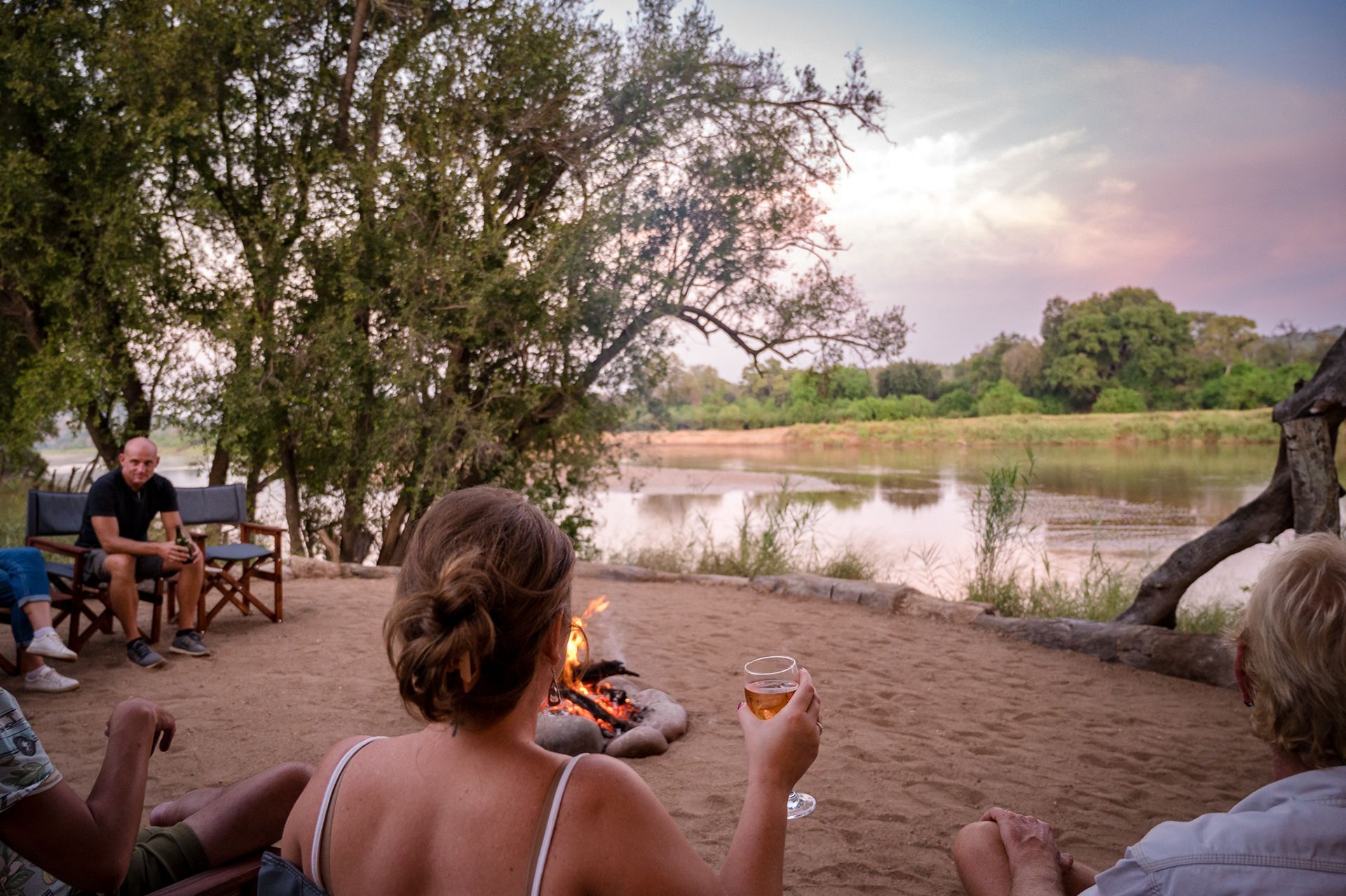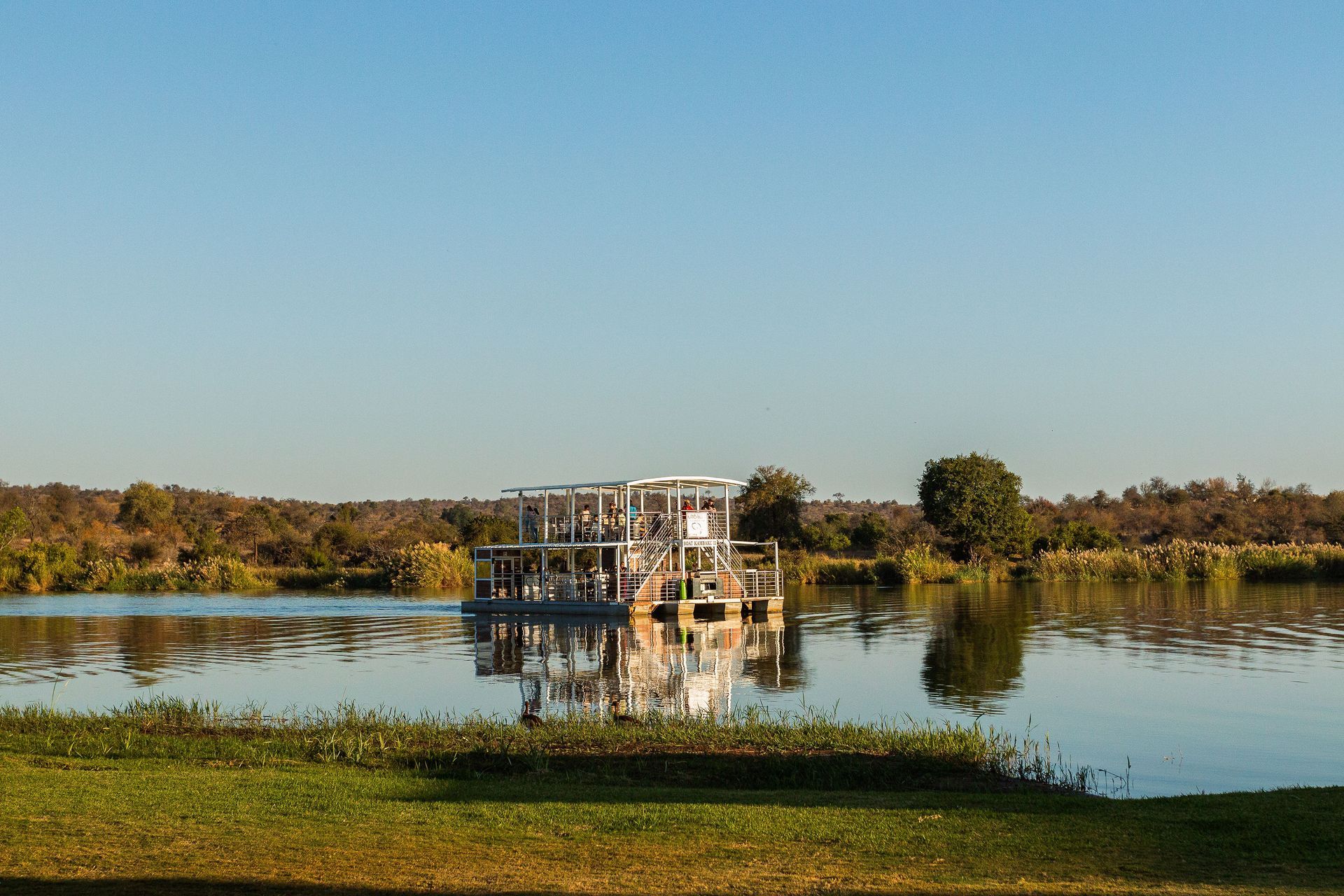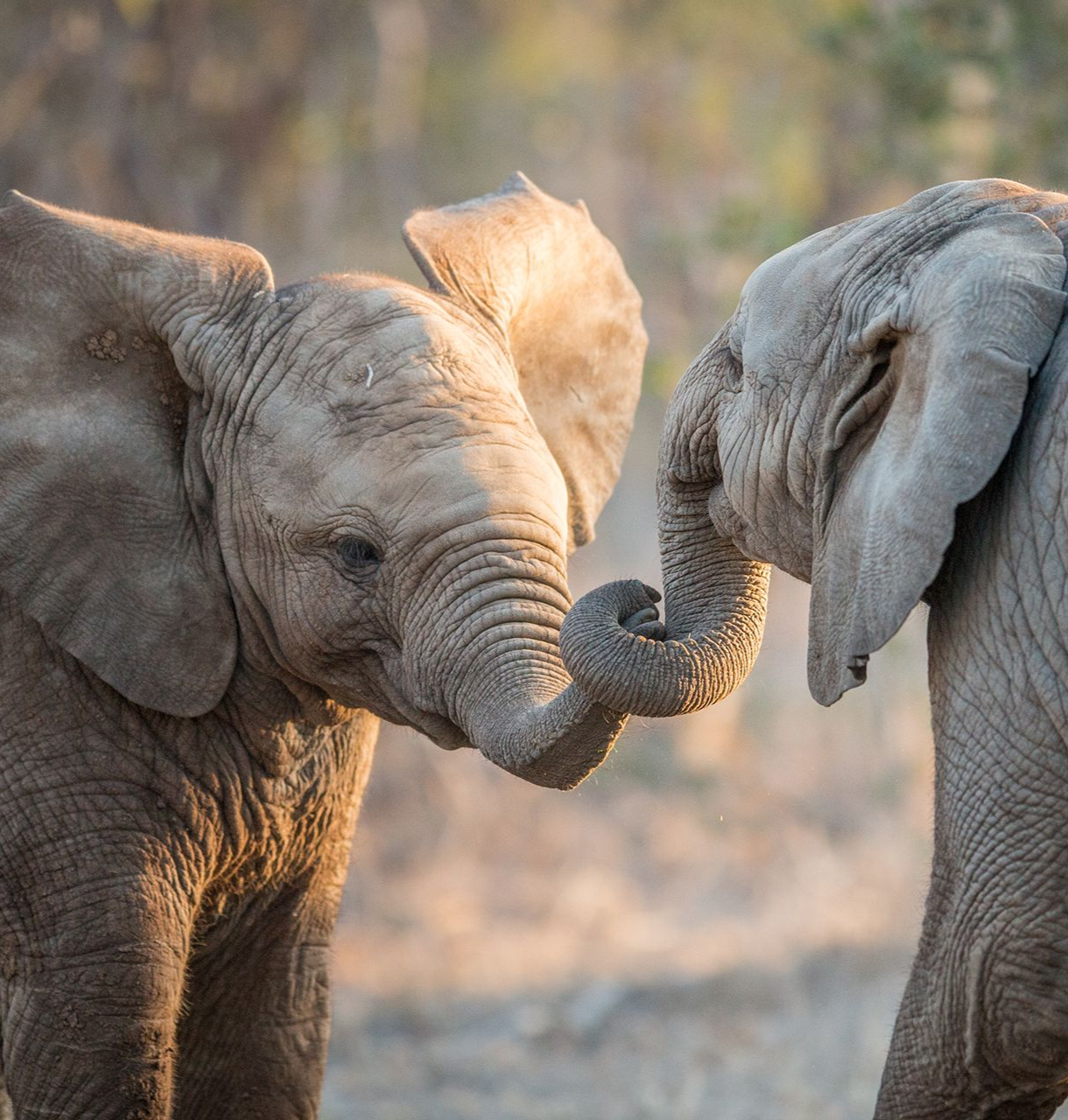
Most people do not choose a multi-lodge safari because they want to move from place to place. They choose it because one place can only show you one part of the bush.
A few nights in one area gives you time to settle in. Moving to the next, if it is planned properly, gives the safari more range. The scenery changes. The lodge setting changes. The activities change. You get to experience more than one side of the safari, without having to plan every detail yourself.
That is what we focus on at Bundox. Our lodges and camps are positioned to give travellers a broader experience of the Greater Kruger area, from Big Five safari country to riverfront wilderness and immersive conservation-led experiences.
Through our safari packages, the details are brought together before you arrive: airport transfers, intercamp travel, game drives, boat cruises, bush walks, sleepouts, scenic routes, and the right time to simply be still in the bush.
Because a safari is not only about the game drive. It is about the full experience of wild Africa: the places you stay, the people who guide you, the landscapes you pass through, and the moments that stay with you long after you leave.
For travellers and agents who want more than a single lodge stay, a multi-lodge safari can create a deeper, better-planned way to experience the wilderness.
Key Takeaways
- A multi-lodge safari gives travellers more variety than staying in one place for the full trip.
- Different lodges can add different settings, activities, guiding styles, and levels of immersion.
- A connected safari experience depends on good planning, not simply adding more stops.
- Seamless safari itineraries should include enough time at each lodge, sensible transfers, and activities that support the journey.
- Curated safari itineraries help travellers and agents combine lodges, regions, landscapes, and experiences into one well-managed safari.
- Bundox builds guided safari journeys across regions with accommodation, transfers, activities, conservation experiences, and on-the-ground support brought together before arrival.
What Is a Multi-Lodge Safari?
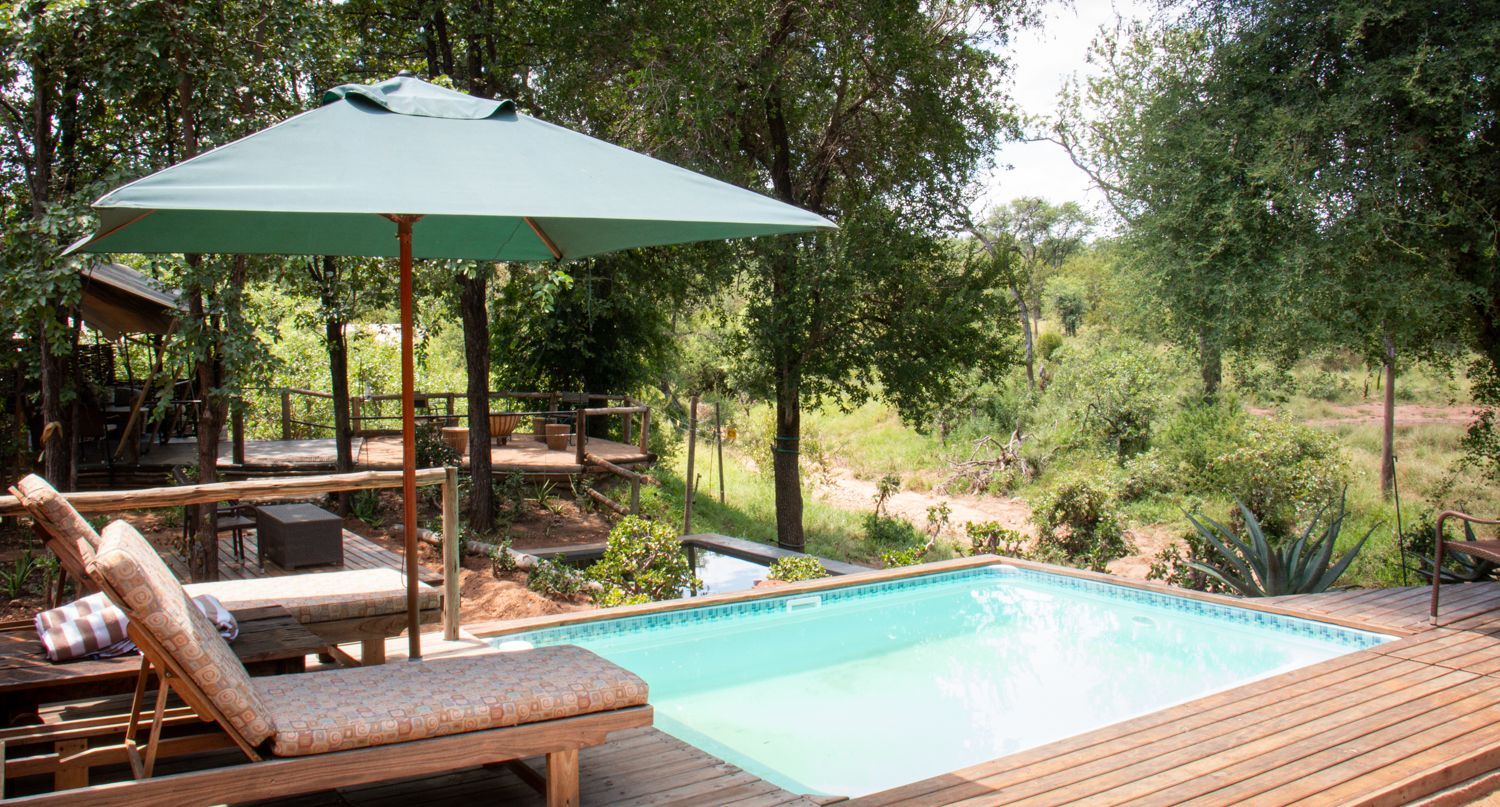
A multi-lodge safari is a safari itinerary that includes more than one lodge, camp, villa, or safari setting within the same journey.
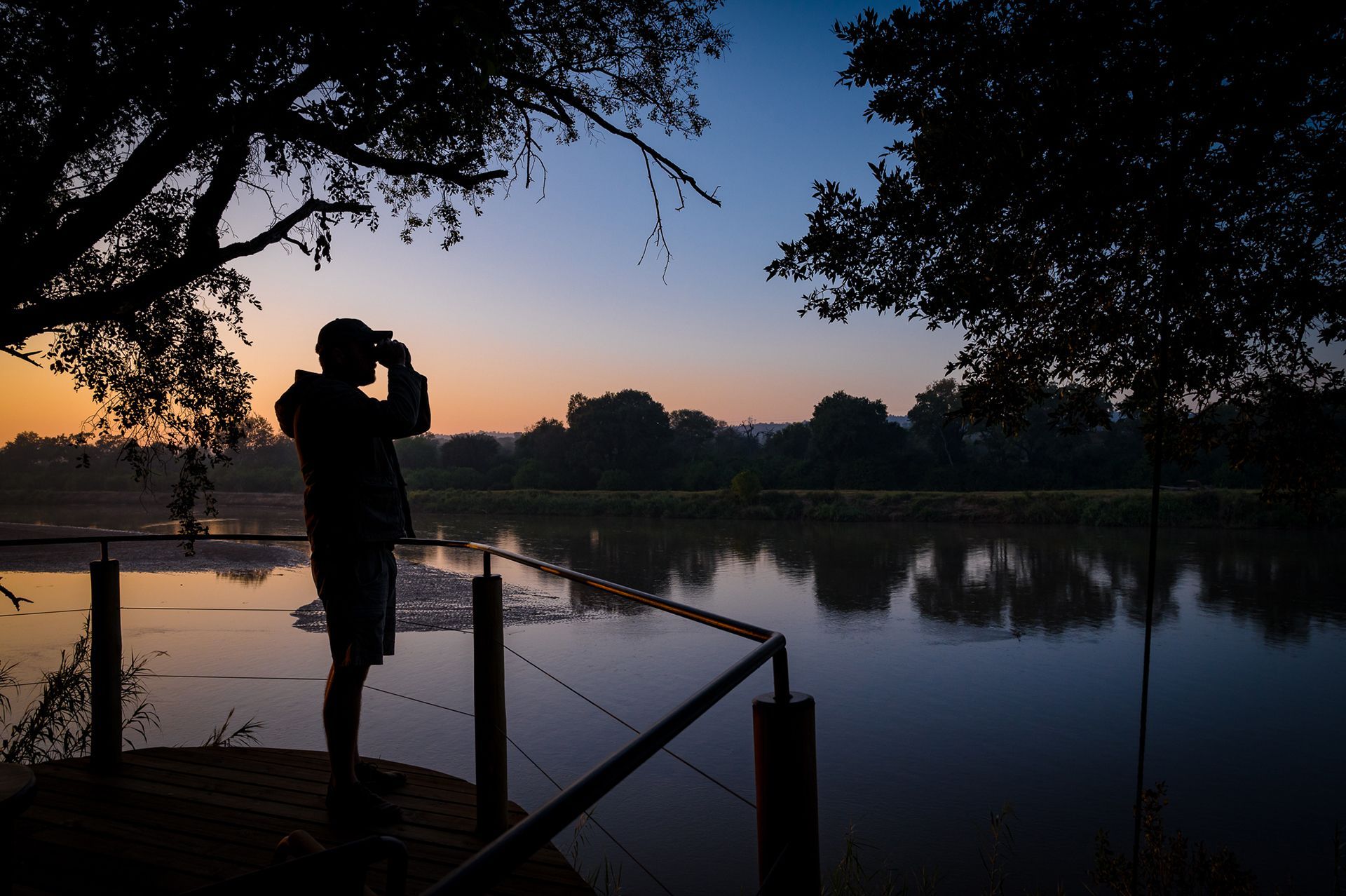
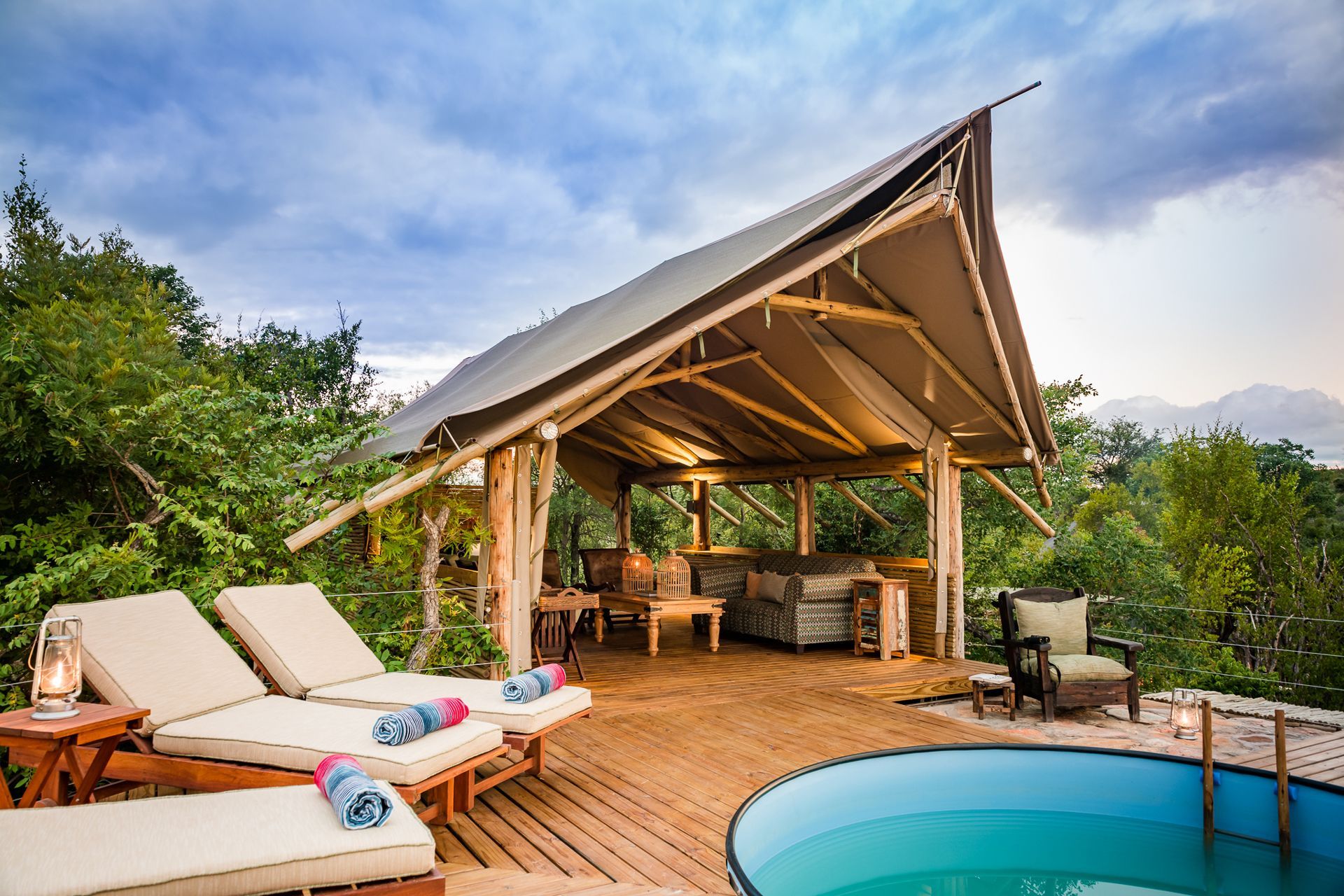
Instead of spending the full trip in one place, travellers stay at different properties that each bring something new to the experience. One lodge may be close to Big Five safari areas. Another may offer a quieter bush setting, riverfront atmosphere, conservation connection, or a different pace of travel.
The purpose is not to make the itinerary busier. A good multi-lodge safari should still feel relaxed and well-paced. The value comes from building a journey where each stop adds something clear.
That may be a different landscape. A new activity. A more private setting. A conservation-led experience. A scenic route. Or simply a better way to end the trip before travelling home.
This is where proper safari planning becomes important. Without planning, a multi-lodge itinerary can feel like too much packing and transferring. With the right structure, it becomes a connected safari experience where each part of the journey has a reason.
Why Choose a Multi-Lodge Safari in Africa?
Africa is vast. Even within Southern Africa, safari areas can feel completely different from one another. The Greater Kruger has Big Five safari country, private reserves, river systems, bush camps, conservation spaces, and quiet wilderness areas. Further afield, travellers may also want to connect their safari with places such as Botswana, Victoria Falls, Cape Town, the Winelands, or other Southern African highlights.
For many international travellers, a safari in Africa is not something they do every year. It may be a once-in-a-lifetime journey, or at least a trip they have been thinking about for a long time. That is why the itinerary matters. If you are travelling this far, it makes sense to experience more than one side of the wild.
A multi-lodge safari gives the journey more depth without making it feel scattered. One lodge may bring you close to classic Big Five game viewing. Another may offer a riverfront setting. Another may add conservation work, a sleepout, a bush walk, or a slower final chapter before travelling home.
The point is not to see everything. Africa is too big for that. The point is to build a safari that feels fuller, better paced, and more connected.
This is especially useful for travellers who want more than a standard lodge stay, but do not want the stress of planning every transfer, activity, and route themselves. With the right structure, a multi-lodge safari can bring together different places, landscapes, guides, activities, and quiet moments in a way that still feels seamless.
For agents, it also creates a stronger safari journey to present to clients. Instead of selling one lodge with a few optional extras, the itinerary can show where the traveller starts, what each stop adds, how the transfers work, and why the route makes sense.
That is the difference between booking accommodation and building a curated safari itinerary.
How Different Safari Lodges Add Variety to the Journey
Each safari lodge has its own role in an itinerary.
Some lodges are best for classic game viewing. Some are better suited to quiet bush immersion. Some bring guests closer to rivers, waterholes, walking areas, private spaces, conservation projects, or scenic regions beyond the reserve.
The strongest multi-lodge safaris are not built by choosing random places that look beautiful online. They are built by understanding what each place adds to the full journey.
A first stop may help guests settle into the safari. A second stop may take them deeper into the bush. A third may offer a slower final chapter.
This kind of planning creates a more natural flow.
At Bundox, our lodges and camps can be combined to help travellers see the Greater Kruger area at a different scale. The journey can include Big Five safari areas, riverfront settings, conservation-led experiences, private spaces, and activities that go beyond the vehicle.
That variety matters. A safari should not only be measured by how many drives are included. It should also be measured by how deeply travellers are able to connect with the place.
A good lodge gives you a stay. The right combination of lodges gives you a journey.
Planning Transfers and Travel Time Between Safari Lodges
Transfers are one of the most important parts of a multi-lodge safari, but they are often the part travellers think about last.
On paper, it may look easy to combine several lodges. In reality, travel time, arrival times, game drive schedules, meal times, road conditions, guest energy, and check-in times all affect how the itinerary feels.
This is where seamless safari itineraries need careful planning.
A transfer should not feel like a lost day. It should fit into the rhythm of the safari. Sometimes it makes sense to travel after breakfast. Sometimes an intercamp transfer can include wildlife viewing along the way. Sometimes a day needs to be kept lighter so guests can arrive, settle in, and enjoy the next part of the trip properly.
The number of nights at each lodge also matters. Staying only one night in too many places usually creates pressure. Staying too long in one place may limit what guests experience. The right balance depends on the traveller, the route, the activities, and the reason for including each stop.
For most multi-lodge safaris, planning should consider:
- Arrival and departure airports
- Transfer times between lodges
- How many nights are needed at each stop
- Which activities should be included at each lodge
- Whether guests need rest time between busy days
- How meals, drives, walks, and excursions fit together
- What should be pre-arranged before arrival
- How much flexibility should be left in the itinerary
When this is handled properly, guests do not feel as if they are managing logistics while on safari. They can simply arrive, follow the journey, and enjoy each part of the experience.
How Bundox Builds Seamless Multi-Lodge Safari Itineraries
Bundox builds multi-lodge safaris around the full journey, not only around the properties.
Our role is to help travellers and agents combine the right lodges, regions, landscapes, activities, transfers, and experiences into one well-managed itinerary. That is central to “Experience Our WILD Africa”.
The aim is not to overload the safari. The aim is to make each part feel connected.
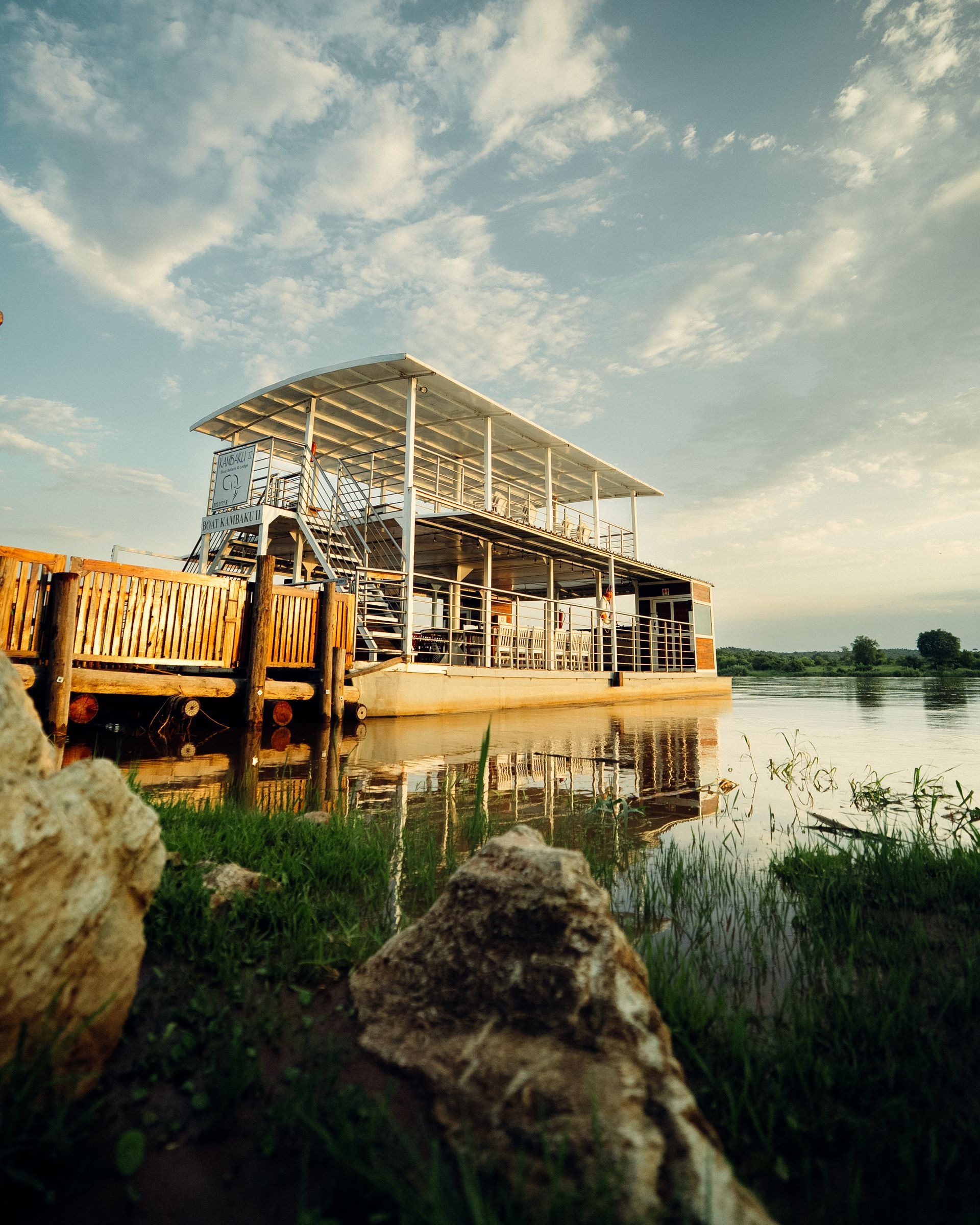
A Bundox journey may begin with a classic safari setting, continue into a more conservation-focused experience, include time near the river, and add activities such as boat cruises, bush walks, sleepouts, scenic routes, or private time in the bush. The important part is that each inclusion supports the journey.
For direct travellers, this makes planning simpler. You do not need to work out every transfer, every activity, and every timing detail on your own. The journey is shaped before you arrive.
For agents, it creates a stronger product to present to clients. The itinerary has a clear structure. The travel time is considered. The activities are included for a reason. The guest experience can be explained properly from the first enquiry.
This is where Bundox brings together lodge ownership, safari planning, regional knowledge, and destination management support.
Plan a Multi-Lodge Safari That Feels Connected
A multi-lodge safari should not feel like a collection of separate bookings.
It should feel like one journey, shaped with purpose from the first arrival to the final departure. The lodges should make sense together. The transfers should be planned properly. The activities should add something to the experience. And the full itinerary should give travellers a better way to experience wild Africa.
Bundox helps travellers and agents combine lodges, regions, landscapes, activities, and conservation-led experiences into one well-managed safari journey.
Explore our
safari lodges and camps, view our
multi-lodge safari packages, or
contact Bundox to start planning a multi-lodge safari that feels connected from start to finish.
Frequently Asked Questions
Can you do a safari with multiple lodges?
Yes, you can. A safari with multiple lodges is often called a multi-lodge safari or multi-centre safari. Instead of staying in one place for the full trip, you spend a few nights at different lodges or camps that each add something different to the journey.
This can work especially well in the Greater Kruger area, where travellers may want to experience Big Five safari areas, riverfront settings, conservation-focused stays, guided activities, and quieter bush environments within one planned itinerary. The important part is that the route is planned properly, so the safari still feels connected rather than rushed.
Is it better to stay at one safari lodge or split the trip between two?
It depends on how much time you have and what you want from the safari.
If you only have two or three nights, staying at one lodge is usually better because it gives you time to settle in. If you have four, five, six or more nights, splitting the trip between two lodges can add more variety without making the journey feel too busy.
A second lodge can give you a different landscape, a different atmosphere, different activities, or a different pace. The key is not to move for the sake of moving. Each lodge should add something clear to the safari.
Will I see more animals if I stay at more than one safari lodge?
Not always, and it should not be the only reason to choose a multi-lodge safari.
Wildlife sightings can never be guaranteed, whether you stay at one lodge or several. What a multi-lodge safari can do is give you more variety in the overall experience. You may spend time in different safari areas, see different landscapes, enjoy different guiding styles, or add activities such as river cruises, bush walks, conservation experiences, and scenic routes.
How many nights should I spend at each safari lodge?
In most cases, two to three nights per lodge is a good starting point. This gives you enough time to arrive, settle in, enjoy game drives or activities, and experience the lodge without feeling as if you are constantly packing and leaving.
One-night stays can sometimes work as part of a larger journey, but too many short stops can make a safari feel rushed.
How do transfers work when staying at multiple safari lodges?
Transfers should be planned before you arrive. This may include airport transfers, intercamp transfers, activity transfers, or travel between safari regions.
In a well-planned multi-lodge safari, guests should know who is collecting them, where they are going, how long the transfer will take, and what happens when they arrive at the next lodge. The transfer should fit into the flow of the journey, rather than interrupting it.
At Bundox, this is part of how we help travellers and agents build more seamless safari itineraries. The lodges, transfers, activities, and timing are considered together so the journey feels organised from arrival to departure.

Subscribe to Our Newsletter