Conservation Safari in South Africa: How to Choose a Wildlife Experience That Makes a Difference
A conservation safari in South Africa should offer more than wildlife sightings. It should help you understand the landscapes, people and conservation work behind the animals you have travelled to see. At
Bundox Safari Co., our
Live Wild & Conserve Package is designed for travellers who want safari, conservation and time in the wilderness to form part of the same journey.
Key Takeaways
- A conservation safari is not the same as conservation volunteering. It should remain a professionally guided safari while giving you a deeper understanding of how wildlife and protected areas are managed.
- Look beyond the word “conservation”. Ask what the activity involves, who leads it, what its purpose is and how it connects to the protected area you are visiting.
- An ethical wildlife experience does not need direct animal contact to be meaningful. Observation, interpretation and learning can often provide a much more responsible connection to wildlife.
- Conservation levies, protected-area tourism, knowledgeable guiding and credible conservation activities can all form part of a responsible safari in South Africa.
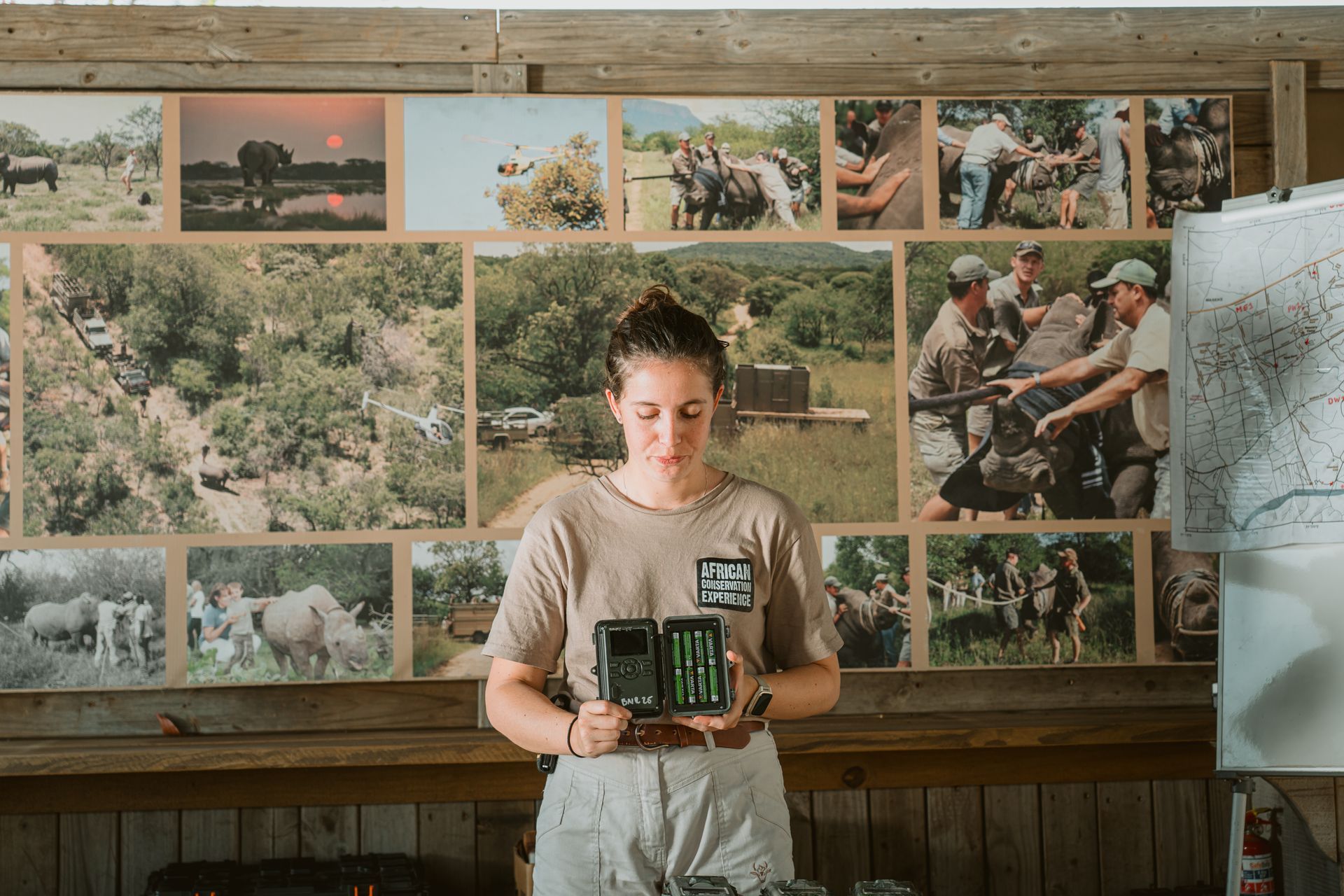
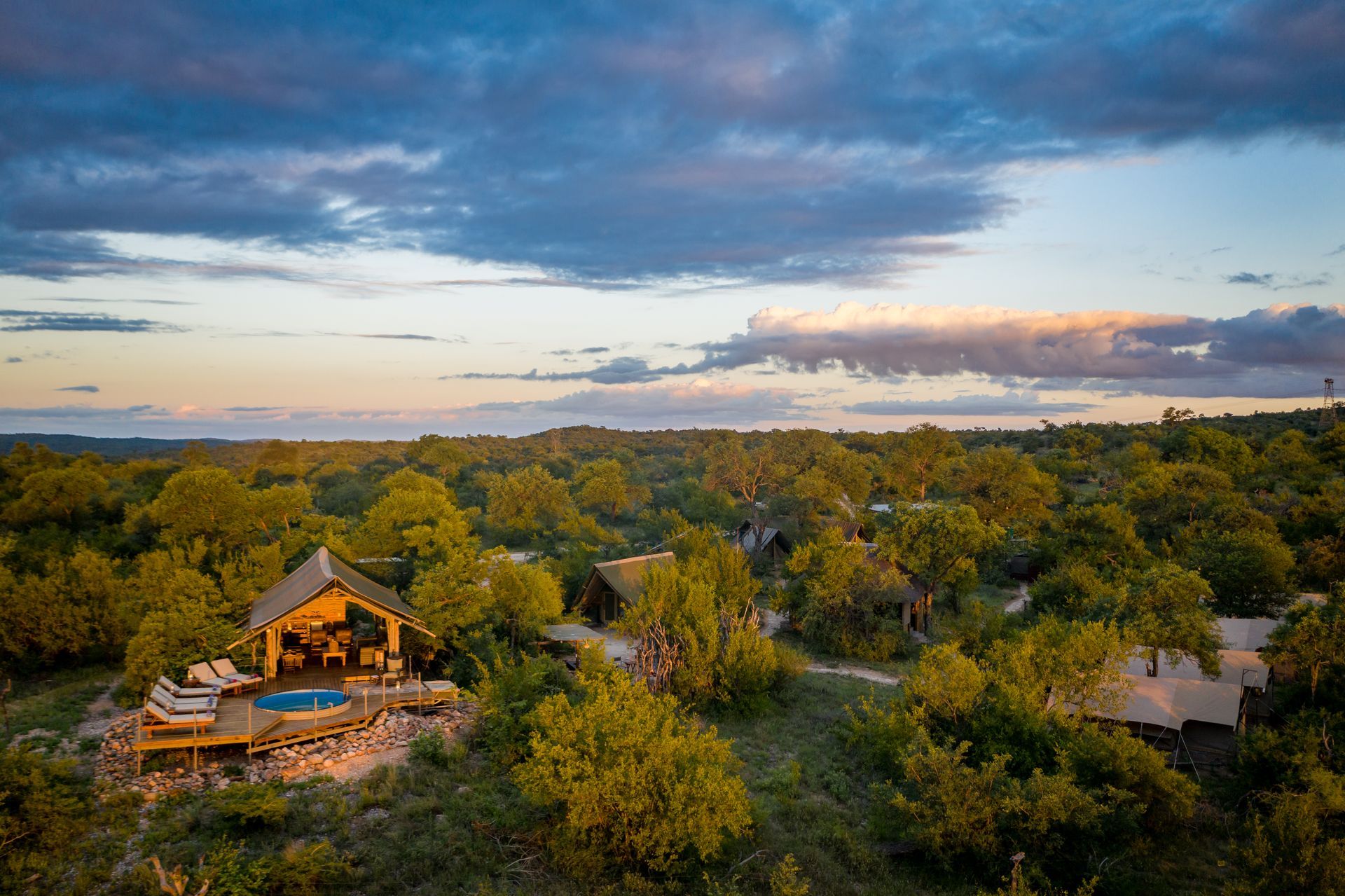
What Is a Conservation Safari in South Africa?
A conservation safari in South Africa combines wildlife tourism with opportunities to understand the ecological and conservation systems that make the safari possible.
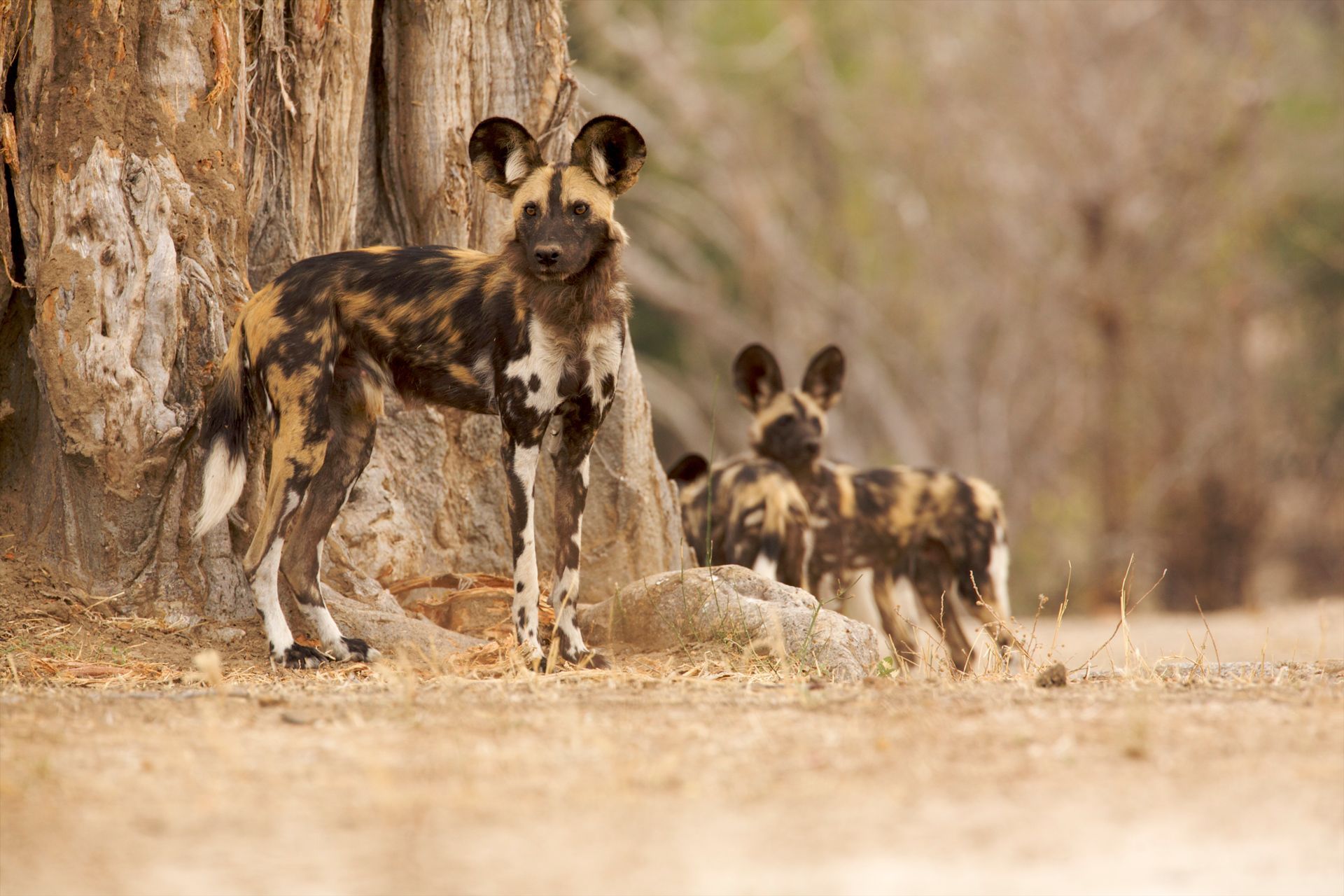
Traditional game drives remain an important part of the experience. Seeing elephants move through the bush, following predator tracks or spending time quietly watching a herd at a waterhole is one of the reasons people travel to South Africa in the first place.
A conservation safari adds another layer.
Instead of focusing only on what has been sighted, guides can explain why animals use particular habitats, how reserves manage wildlife populations, why water and vegetation matter, how human pressures affect protected landscapes and what conservation challenges exist beyond the boundaries of a reserve.
Depending on the itinerary and the conservation work taking place at the time, travellers may also encounter conservation discussions, field-based learning, wildlife monitoring concepts, anti-poaching awareness, habitat management or conservation-linked initiatives.
That distinction matters.
A genuine wildlife conservation safari should not create artificial activities simply so that guests can say they “worked with wildlife”. Conservation work exists to serve the needs of the landscape and its wildlife, not the traveller’s photograph.
For us, the more useful question is therefore not, “How hands-on is the experience?”
It is, “What will I understand about this wilderness when I leave that I did not understand when I arrived?”
Wildlife Conservation Activities Beyond the Game Drive
Game drives are one of the best ways to explore South Africa’s wildlife areas, but they are only one perspective on a functioning ecosystem.
A safari with conservation activities can introduce travellers to the processes happening behind the sightings.
That may begin during a drive. A knowledgeable guide can turn a wildlife encounter into a discussion about predator-prey relationships, territorial behaviour, vegetation, water availability, seasonal movement or the pressures involved in managing a protected landscape.
Conservation-focused experiences can then take that understanding further.
These may include guided conservation discussions, learning about research and monitoring, understanding wildlife security challenges, exploring river or habitat ecology, seeing how conservation organisations operate or taking part in appropriate conservation-linked activities where visitor participation is genuinely useful.
Not every activity will be available on every safari. Nor should it be.
A traveller does not need to touch, capture or handle a wild animal for an experience to be meaningful. In many cases, responsible participation means observing professionals, understanding their work and gaining a more informed appreciation of what protecting wildlife actually requires.
Bundox’s South Africa safari experiences are built around the idea that time in the wild should provide context as well as sightings. Conservation becomes part of understanding the destination rather than an isolated activity added simply for marketing value.
How Conservation Safaris Support Wildlife and Protected Areas
Travellers often ask a reasonable question: Does going on safari genuinely help conservation?
There is no universal answer, because safari businesses, reserves and conservation projects operate differently.
However, well-managed nature-based tourism can form part of the economic system that supports protected landscapes.
Conservation and reserve levies are one of the clearest examples. These fees can contribute towards the costs associated with maintaining wildlife areas and the infrastructure and management systems required to operate them.
Tourism also supports the wider conservation economy.
Guides, trackers, reserve staff, hospitality teams, transfer operators, maintenance teams and local suppliers all form part of the network that allows wildlife tourism to function. A viable tourism economy can therefore create economic value around maintaining natural landscapes as wildlife areas.
Responsible tourism is not only about reducing environmental harm; it also recognises the importance of local economic benefit and the people living within and around tourism destinations.
This becomes particularly relevant in a landscape such as Greater Kruger, where conservation extends beyond individual lodge boundaries. Wildlife, rivers, vegetation, neighbouring communities, private reserves and protected areas form interconnected systems rather than isolated tourism properties. Landscape-level conservation organisations in the region consequently work across wildlife protection, research, infrastructure, habitat and community development.
For a traveller, this means that choosing a responsible safari in South Africa should involve looking at the entire tourism model rather than searching for one dramatic conservation activity.
Ask whether conservation fees are included. Ask where you will be travelling. Ask what makes the area ecologically important. Ask what conservation means in that particular reserve.
Those questions usually reveal far more than a brochure headline.
Choosing Ethical Wildlife Experiences in South Africa
The words “wildlife”, “conservation” and “sanctuary” can appear across very different types of tourism experiences. They should not automatically be treated as evidence that an activity is ethical.
When assessing an ethical safari in South Africa, begin by understanding the circumstances in which you will encounter wildlife.
Observing free-ranging animals in a protected natural landscape is fundamentally different from an activity based around direct interaction with captive wildlife.
For any conservation-labelled safari experience, we recommend asking several practical questions:
- What exactly will I be doing? The operator should be able to explain the activity before you travel.
- Who leads the experience? Look for qualified guides, conservation professionals or recognised organisations rather than activities with no clear professional oversight.
- What is the conservation purpose? There should be a reason for the activity beyond creating an exciting guest experience.
- Is wildlife being disturbed unnecessarily? The needs of the animal should take priority over access, photographs or entertainment.
- Are conservation claims specific? Be cautious when an operator repeatedly claims that you will “save wildlife” without explaining how.
- Is participation appropriate for a tourist? Some conservation work requires training, permits and experienced professionals. A responsible operator should be comfortable explaining why guests cannot participate in certain activities.
Transparency is one of the strongest indicators of credibility.
Conservation is complicated. Ethical operators should be able to talk about those complexities rather than promising that every traveller will personally make a measurable impact during a few days on safari.
Finding the Right Conservation Safari for Your Travel Style
Not every traveller looking for conservation wants the same experience.
Some people are planning their first African safari and primarily want excellent wildlife viewing, but they also want to understand what happens behind the scenes.
Others have travelled on safari before and now want greater depth: fewer repeated game drives, more interpretation and a closer connection to the landscapes they are exploring.
There are also travellers specifically looking for research placements or formal volunteer programmes. That is a different type of travel and should be evaluated differently from a safari package.
Start by deciding which experience you actually want.
If your priority is safari first, with meaningful conservation context, look for an itinerary that combines established wildlife experiences with conservation-led activities and interpretation.
If your goal is to spend several weeks conducting structured volunteer work, look for a dedicated conservation or research programme that clearly explains the work, required skills, supervision and intended outcomes.
If you mainly want a classic wildlife holiday, there is nothing wrong with choosing a traditional safari. A well-run safari that respects wildlife, supports protected areas and contributes to the regional tourism economy can still represent responsible tourism.
Our own Live Wild & Conserve package is intended for the first of these travellers: people who want to experience the safari itself while gaining a closer understanding of conservation in the landscape.
It forms part of our wider approach to South African safari packages that combine locations, guiding and different ways of experiencing the wild rather than treating every day as another version of the same game drive.
When comparing conservation safaris, look at the complete journey.
Consider:
- Where will you stay?
- How much time is actually spent in wildlife areas?
- How experienced are the guides?
- What does the conservation component involve?
- Are conservation or reserve levies included?
- Is the itinerary designed around learning and wildlife viewing, or simply around fitting in as many activities as possible?
- How much time is available to slow down and understand the environment?
The strongest conservation safari is not necessarily the one promising the most direct involvement.
It is the one that gives you a credible, responsible and more complete understanding of the wildlife landscape you have travelled to experience.

Find a Conservation Safari That Feels Genuine
If you want to do more than simply see wildlife, start by choosing a safari that helps you understand the landscape behind the sightings.
Live Wild & Conserve is Bundox’s conservation-focused Live Wild journey, combining the experience of being on safari with opportunities to learn more about the conservation environment in which that safari takes place. It is not presented as a volunteer programme, nor do we believe meaningful conservation travel needs exaggerated promises about the impact an individual traveller will make.
Explore the experience, consider the type of safari you want, and decide whether conservation should be part of the way you experience South Africa’s wild landscapes. You can also explore the full Live Wild Packages collection or contact our team directly to start planning the safari package that best fits the way you want to travel.
Frequently Asked Questions
What does a conservation safari actually involve
A conservation safari normally combines traditional safari activities such as guided game drives with opportunities to learn about wildlife management, habitats, research, reserve operations or conservation challenges.
The exact activities vary between destinations and may change according to what is happening within the reserve. A responsible operator should clearly distinguish between activities intended for travellers and professional conservation work that requires specialist training or permits.
How does my safari help support wildlife conservation?
There is no single model used by every reserve or safari company.
Depending on where you stay, your visit may contribute through conservation or reserve levies, tourism revenue, employment and support for organisations or projects operating within the destination.
Before booking, ask the operator what conservation fees are included and how conservation is incorporated into the experience. Avoid assuming that every tourism payment goes directly to wildlife projects unless this is specifically stated.
Can tourists take part in wildlife conservation activities on safari?
Yes, but participation should be appropriate to the activity.
Travellers may be able to join conservation discussions, educational field experiences, monitoring demonstrations or other professionally supervised activities. Certain specialist wildlife procedures should remain the responsibility of qualified conservation teams.
Meaningful participation does not have to involve physically handling wildlife
How can I tell if a wildlife conservation experience is ethical?
Look for transparency about the activity, professional oversight, a clear conservation purpose and respect for animal welfare.
Be cautious of experiences where wildlife is unnecessarily handled, manipulated or placed under pressure primarily for entertainment or photographs.
When captive wildlife is involved, investigate why the animals are in captivity, where they originated, what interactions are permitted and what their long-term future will be.
Can I combine a safari with conservation or volunteer work in Africa?
Yes, but a conservation-focused safari and a formal volunteer programme are not the same thing.
A safari can include conservation education and selected activities while remaining primarily a wildlife travel experience. Formal volunteering may involve longer stays, defined project responsibilities, specialist supervision or participation in ongoing research and conservation programmes.
Decide how involved you genuinely want to be before choosing between the two.
Frequently asked questions

Subscribe to Our Newsletter