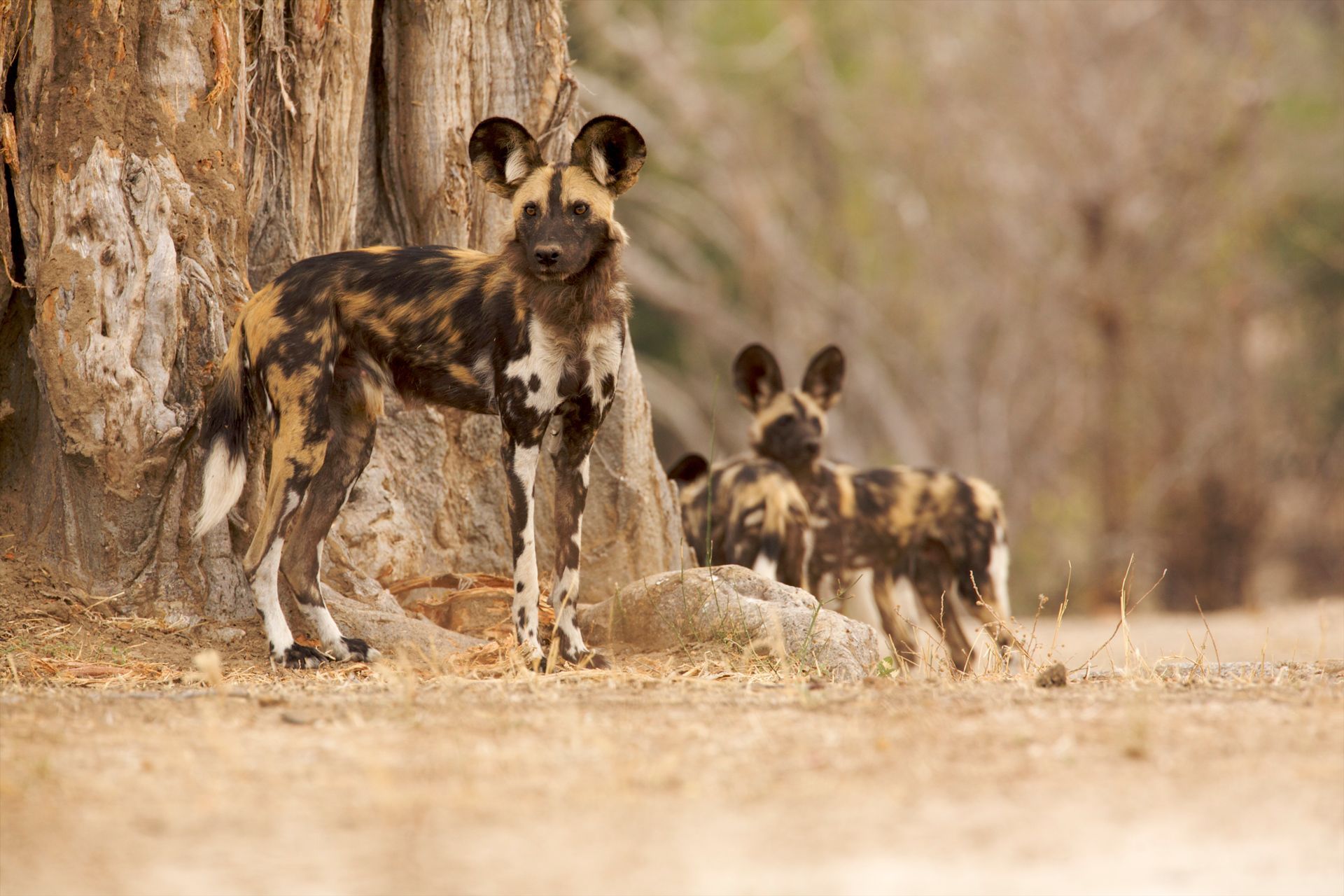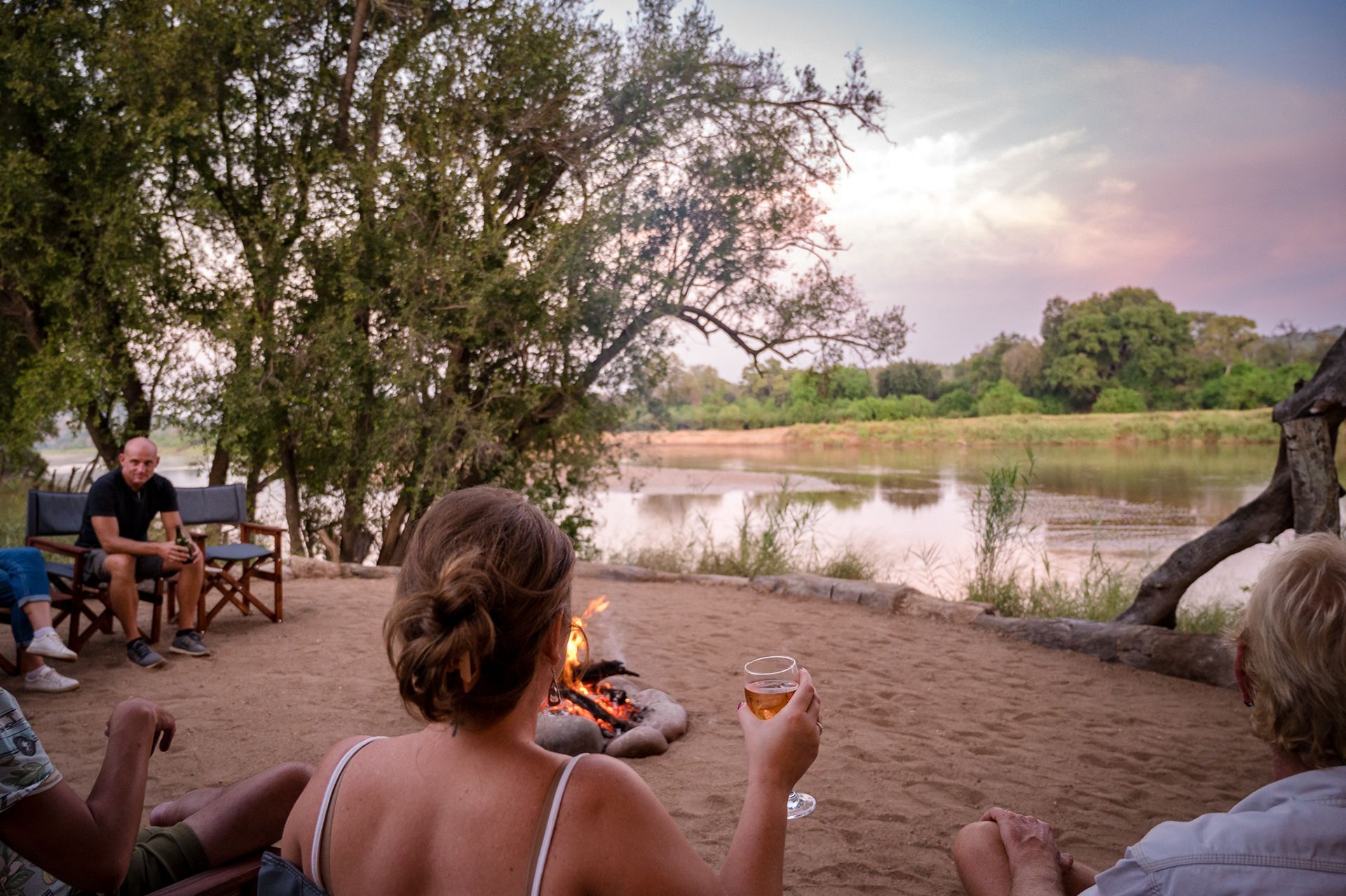
A meaningful South Africa safari combines excellent wildlife viewing with enough time to understand the places and wildlife you have travelled to experience. Bundox Safari Co. brings together safari lodges and camps, multi-experience safari packages and journeys such as Live Wild & Conserve, giving travellers the option to add conservation, different landscapes and other experiences to a traditional safari.
Key Takeaways
- A meaningful South Africa safari should combine strong wildlife viewing with enough time to understand the landscape, guides and conservation work behind the experience.
- First-time safari travellers should focus on the right balance of game drives, reserve time and additional experiences rather than trying to fit too much into one itinerary.
- Conservation can form part of a leisure safari through talks, research context and practical activities without turning the trip into a volunteer programme.
- Multi-location safaris work best when each stop adds something different, such as another reserve, conservation focus, scenery or a contrasting experience beyond the bush.
- Live Wild & Conserve provides a starting point for travellers who want safari and conservation together, with extensions available for Kruger, the Panorama Route, a sleep-out or the Winelands.


Planning Your First Safari in South Africa
Planning a first safari in South Africa can become complicated surprisingly quickly. There are national parks, private reserves, tented camps, lodges, guided drives, walking safaris, conservation experiences and countless ways to combine a safari with the rest of the country. The challenge is usually not finding something to do, but deciding how much to include without turning the trip into a race between activities.
Start with the reason you want to go on safari. If wildlife viewing is your main priority, give yourself enough time in a strong safari area rather than trying to cover several distant destinations in a few days. If you also want conservation, photography, walking, scenery or time in Cape Town or Southern Africa, build those experiences around a solid safari base rather than cutting the wildlife portion too short.
For many first-time travellers, around four or five nights in a safari area is a useful starting point. It allows several morning and afternoon wildlife activities while leaving room for quieter periods, changing weather and the reality that wildlife does not work according to an itinerary. Two nights can provide a taste of safari, but a longer stay usually creates a more complete experience because there is less pressure on every game drive to produce a particular sighting.
Location also matters. South Africa allows travellers to combine Kruger National Park with private reserves in the wider Greater Kruger region, creating different ways to experience the same broad wildlife ecosystem. A private reserve safari often provides guided game drives and a more hosted lodge experience, while Kruger National Park can add another perspective through its scale, landscapes and extensive road network.
Bundox uses this ability to combine places as part of its broader Live Wild Packages. Rather than treating safari as one lodge followed by another destination entirely, the journey can be designed around different ways of experiencing the wild.
Safari Experiences That Go Beyond Wildlife Viewing
Game drives deserve their place at the centre of a safari. They allow travellers to cover large areas with an experienced guide, follow tracks, observe animal behaviour and spend time at sightings that would be difficult to find independently. A good safari, however, does not need every meaningful moment to happen from the back of a vehicle.
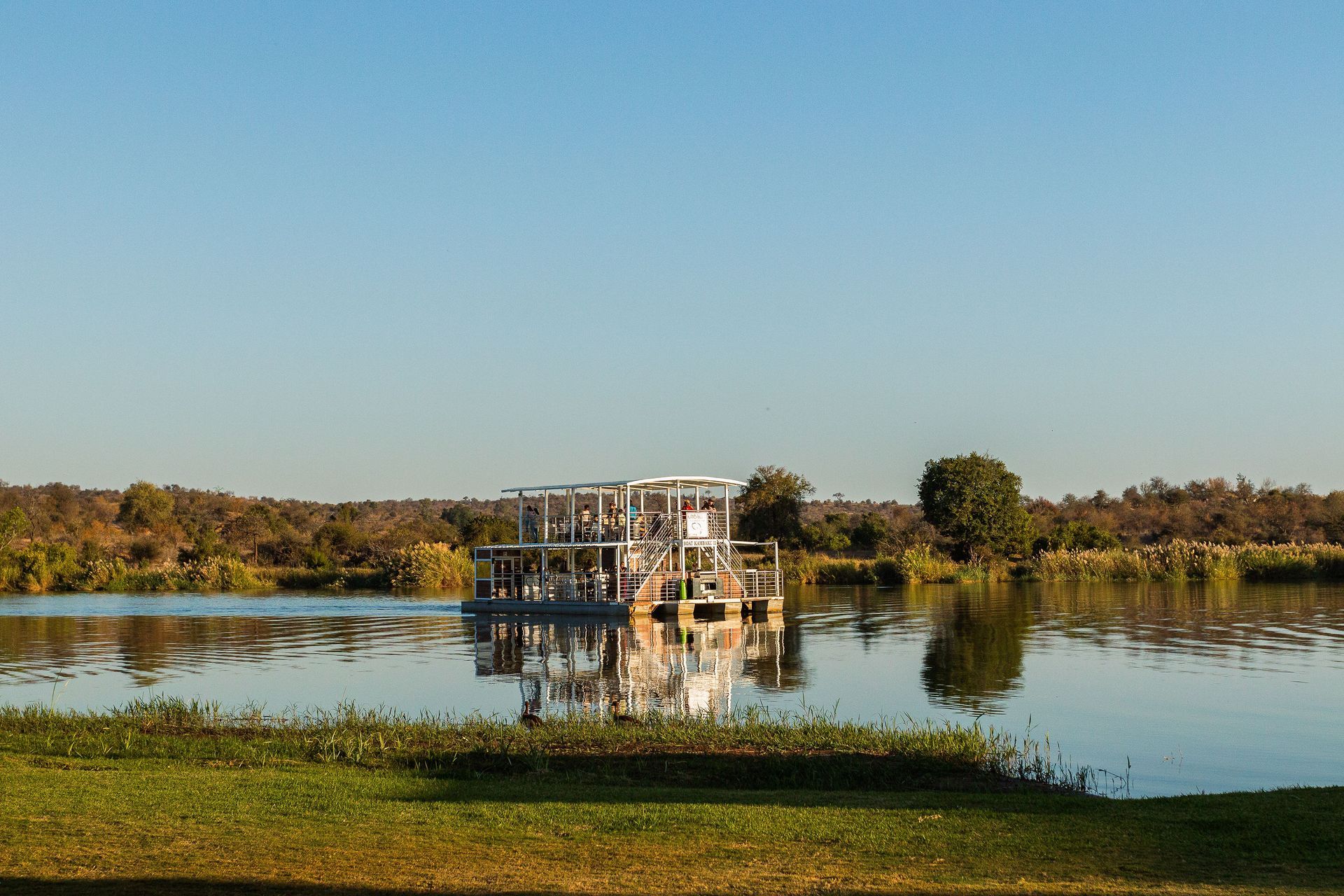
Walking can completely change the scale of the bush. Tracks, plants, insects, sounds and signs of animal movement that are easily missed from a vehicle become part of the experience. River-based activities can reveal another side of an ecosystem, while birding, photography and time spent quietly at camp often produce wildlife encounters that are very different from actively searching for animals.
For travellers comparing South Africa safari packages, this is an important distinction. More activities do not automatically make a better itinerary. The strongest combinations give you genuinely different perspectives rather than repeating the same experience in slightly different forms.
This is particularly useful when planning a meaningful safari in Africa. Meaning does not need to come from making the itinerary more intense or trying to turn every activity into a conservation project. It can come from seeing the same destination from several angles: observing an animal on a drive, understanding its habitat through your guide, learning how wildlife is monitored and then seeing how the surrounding reserve contributes to the animal's wider range.
Bundox also allows Live Wild journeys to be extended beyond the core safari. Depending on the traveller and itinerary, PLUS extensions can include additional time in Kruger National Park, the Panorama Route and Blyde River Canyon area, wilderness stargazing sleep-out or the Winelands. These additions work best when they answer a genuine travel priority rather than simply making the itinerary longer.
Combining Game Drives With Conservation Experiences
Conservation can add considerable depth to a safari, but travellers should understand what they are booking. A wildlife conservation experience in South Africa is not automatically the same thing as conservation volunteering, and a leisure traveller does not need to become a temporary researcher for the experience to be worthwhile.
The most useful conservation experiences provide access to knowledge and context that a visitor would not normally encounter on a standard safari. This can include learning how wildlife is monitored, how researchers collect information, what conservation pressures exist in a reserve and why long-term knowledge about animal movement and behaviour matters.
That thinking sits behind Live Wild & Conserve. The journey combines traditional safari activities with stays in two different private reserve settings within Greater Kruger. Bundox Explorer Camp is situated in the Olifants West Nature Reserve, while Khanya Tented Camp is in Olifants View Nature Reserve within Balule.
Greater Kruger refers to the wider open wildlife system formed by Kruger National Park and neighbouring private reserves where internal fences between participating areas have been removed. This allows wildlife to move through a much larger ecosystem, although the individual reserves remain responsible for their own management, research and conservation work. For travellers, experiencing more than one reserve provides useful context because the wildlife is part of the wider ecosystem, while the conservation priorities and work encountered at each location can differ.
At Khanya, conservation talks introduce guests to the work taking place around the reserve. Depending on what is relevant at the time, this can include discussions about wildlife research, animal movement, conservation challenges and camera-trap programmes. Camera traps are remotely triggered cameras placed in the field to record wildlife moving through an area, giving researchers information that cannot always be collected through direct observation alone.
The purpose is not for guests to conduct the research themselves. It is to understand why the information is collected, what researchers can learn from it and how that knowledge contributes to a better understanding of wildlife within the reserve.
Another part of the experience introduces travellers to Down2theWire and the problem of wildlife snares. A snare is usually a loop of wire positioned along an animal path. When an animal walks into it, the wire can tighten around its leg, neck or body, and because the trap cannot distinguish between species, wildlife other than the animal originally targeted can also be injured or killed.
Recovered snare wire is used during the Down2theWire bracelet or bangle activity, turning an otherwise difficult conservation subject into something guests can understand and discuss. The value is not in claiming that making a bracelet constitutes professional conservation work. It gives travellers a tangible introduction to a wildlife protection issue that may be largely invisible during an ordinary game drive.
Ethical Wildlife Experiences Worth Looking For
Travellers searching for ethical wildlife experiences in South Africa should be cautious about using proximity to an animal as the measure of a good experience. Being able to touch, hold, feed or pose with wildlife does not automatically make an activity more meaningful, and conservation should not simply become a justification for creating closer guest interactions.
A useful starting point is to ask whether the activity allows wildlife to behave naturally and whether the needs of the animal come before the entertainment value for the visitor. In a normal safari setting, some of the most powerful encounters happen precisely because nothing has been staged. The guide finds the animal, the vehicle keeps an appropriate distance and guests observe what happens naturally.
The same scrutiny should apply to conservation-labelled activities. Ask who manages the work, what its purpose is, why tourists are involved and what guests are realistically contributing. If an activity requires specialist skills, veterinary expertise, permits or research training, a responsible operator should be comfortable leaving that work to the professionals.
An ethical safari therefore does not need to promise direct contact with wildlife. Good guiding, responsible observation, conservation interpretation and access to credible information can create a much stronger connection with the destination while respecting the animals that make the safari possible.
Where Conservation Fits Into a South African Safari
Conservation works best as part of the safari rather than as a label placed on top of it. Travellers should still have time to watch wildlife, enjoy the camp, speak to guides and experience the landscape without feeling that every hour needs to demonstrate an impact.
This is why the sequence of an itinerary matters. A conservation discussion has more meaning when you can relate it to the reserve you are currently exploring. Learning about wildlife movement or camera traps changes the way you interpret tracks on the next drive, while understanding the problem of snares provides context for wildlife protection work that may otherwise remain completely unseen.
For first-time safari travellers, this also solves an important planning problem. You do not necessarily need to choose between a conventional safari and a conservation holiday. A package such as Live Wild & Conserve allows conservation learning to sit within the safari itself, leaving the rest of the journey open for whatever else matters to you.
If wildlife is the priority, additional time in Kruger National Park can extend the safari. If you want landscapes and sightseeing, the Panorama Route adds Blyde River Canyon, Bourke's Luck Potholes and some of the Lowveld's best-known viewpoints. Travellers looking for something more adventurous can ask about a stargazing sleep-out, while those wanting a slower finish to their South African journey can continue to the Winelands.
This is where working with a safari operator that can plan beyond one lodge becomes particularly useful. Bundox operates
lodges and safari destinations in South Africa's Greater Kruger region and Botswana's Okavango Delta, while its safari packages are designed to connect accommodation, activities, transfers and different destinations. Instead of beginning with a long list of properties, the planning conversation can begin with what the traveller actually wants from the trip.
Build a South Africa Safari Around What Matters to You
The best South Africa safari is not necessarily the one with the most lodges, the longest list of activities or the greatest number of game drives. It is the one that gives enough time to experience wildlife properly while making room for the parts of the journey that matter most to you.
For travellers who want conservation to be part of that experience, Live Wild & Conserve provides a practical starting point, combining a Greater Kruger safari with conservation talks, research context and a conservation-focused activity. From there, the Bundox team can help shape the wider journey, whether that means adding Kruger National Park, the Panorama Route, a wilderness sleep-out, the Winelands or other destinations across Southern Africa.
Explore Bundox Safari Packages and start building a safari around what you actually want to experience.
Frequently Asked Questions
Is South Africa a good destination for a first African safari?
Yes. South Africa works well for a first safari because travellers can combine strong wildlife areas, different accommodation styles and other destinations such as the Panorama Route, Cape Town or the Winelands within one trip.
How many days do you really need for a safari in South Africa?
For most first-time travellers, four to five nights in a strong safari area is a good starting point. It gives enough time for several game drives while still allowing space to enjoy the camp and the wider experience.
Is it better to stay in one safari area or visit several?
Both can work, but moving between areas should have a clear purpose. A multi-location safari is most useful when each place adds something different, such as another reserve, a conservation focus or a different type of wildlife experience.
What should I look for when comparing South Africa safari packages?
Compare the location, accommodation, number and type of safari activities, transfers, meals, conservation or park levies, and any additional experiences. Also check whether the itinerary clearly explains why the different parts have been combined.
Can I combine a South Africa safari with other experiences?
Yes. A Greater Kruger safari can be combined with Kruger National Park, the Panorama Route, Cape Town, the Winelands and other parts of South Africa, allowing travellers to build the trip around their wider interests.
Frequently asked questions

Subscribe to Our Newsletter