The Best Time to Visit Kruger and Greater Kruger Area: Expert Seasonal Guide for Safari Travellers
Planning the best time to visit Kruger depends on what you want from your safari. For most travellers focused on wildlife viewing, May to September is generally the best time to visit Kruger National Park and Greater Kruger, when the cooler, drier conditions create more open vegetation and wildlife becomes increasingly dependent on permanent water sources. The warmer summer months offer a different experience, with greener landscapes, seasonal rainfall, migratory birds and newborn wildlife.
Travellers planning a Greater Kruger safari with
Bundox Safari Co. can compare the company’s current
safari camps and
Live Wild Packages according to the season, activities and kind of safari they want.
Key Takeaways
- Greater Kruger offers exceptional safaris year-round, with each season bringing something unique.
- Dry season (May–September) offers outstanding visibility, concentrated wildlife and ideal temperatures.
- Wet season (October–April) brings newborn wildlife, rich birdlife and lush photographic scenery.
- Your ideal time to visit depends on whether you prioritise predators, photography, comfort, birding or wilderness atmosphere.
- Bundox properties offer strong viewing in every season, with the added flexibility to combine camps for a richer, multi-habitat safari.


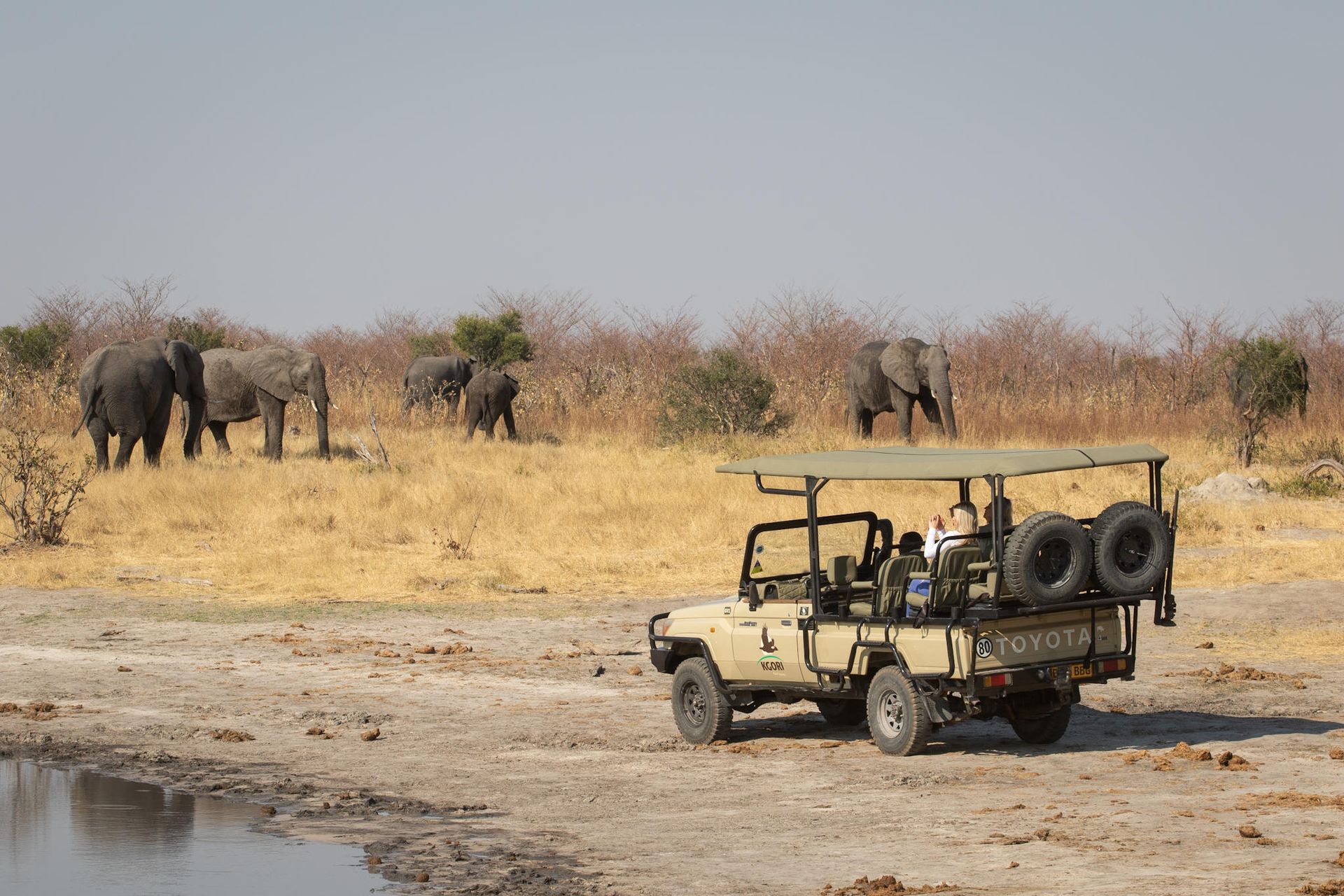
Kruger Weather and Safari Seasons
The weather patterns affecting Kruger National Park and Greater Kruger are broadly divided into a cooler dry season and a hotter rainy season. These seasonal changes influence vegetation, available water, animal movement and the conditions travellers experience on safari.
During the drier winter months, mornings can be cool while afternoons are generally warmer and dry. As rainfall decreases and vegetation becomes more open, seasonal water sources become less widely available. Permanent rivers, dams and waterholes therefore become increasingly important to wildlife.
Summer changes the landscape substantially. Seasonal rainfall produces fresh vegetation, greener surroundings and increased bird activity. Conditions are warmer and can be humid, while localised showers and thunderstorms form part of the summer weather pattern.
Month-by-Month Safari Expectations
- January–March (Peak Wet Season):
Bright green landscapes, high birdlife activity, newborn animals and warm, humid days. Afternoon storms are common but brief. Expect excellent photography and energetic wildlife behaviour.
- April (Season Shift):
Rains taper off, temperatures cool and visibility improves. A balanced month with both greenery and clearer game viewing.
- May–June (Early Dry Season):
Cool temperatures, minimal rain and steadily opening landscapes. A favourite for comfortable, slow-paced safari days with strong sightings.
- July–August (Peak Dry Season):
Prime wildlife viewing. Animals congregate at water sources, predator sightings increase and temperatures remain mild. One of the most popular times to visit.
- September–October (Late Dry Season):
High wildlife density, excellent predator activity and sparse vegetation. Days become hotter, but sightings are exceptional.
- November–December (Early Wet Season):
First rains transform the bush. Ideal for birders, photographers and travellers who love colour, atmosphere and newborn wildlife.
These periods are broad seasonal patterns rather than guarantees. Weather, rainfall and wildlife movement can vary from year to year and from one part of the Greater Kruger ecosystem to another.
Best Season for Wildlife Viewing in Kruger
For travellers whose main priority is wildlife, the dry season from May to September is generally the best time for a Kruger safari. As seasonal water becomes less widely available and vegetation thins, wildlife becomes more dependent on reliable rivers, dams and waterholes.
These conditions can make animals easier to locate and observe. More open vegetation improves visibility, while concentrations of herbivores around water can also influence predator movement.
This broad pattern applies across Kruger National Park and the surrounding Greater Kruger safari areas, making the dry season the most straightforward recommendation for travellers whose first priority is conventional game viewing.
The green season offers a different experience rather than an inferior one. Summer rain creates more widely available water and denser vegetation, allowing wildlife to spread more broadly through the landscape. At the same time, travellers gain greener scenery, migratory birdlife, newborn animals and the ecological changes associated with summer.
The best season for wildlife viewing in Kruger therefore depends partly on what you define as a successful safari. Travellers seeking easier visibility may favour the dry season, while birders, photographers and repeat safari travellers may deliberately choose summer.
Best Time for a Kruger Safari by Interest
For general wildlife viewing: May to September is usually the strongest starting point because the vegetation is more open and wildlife increasingly relies on permanent water.
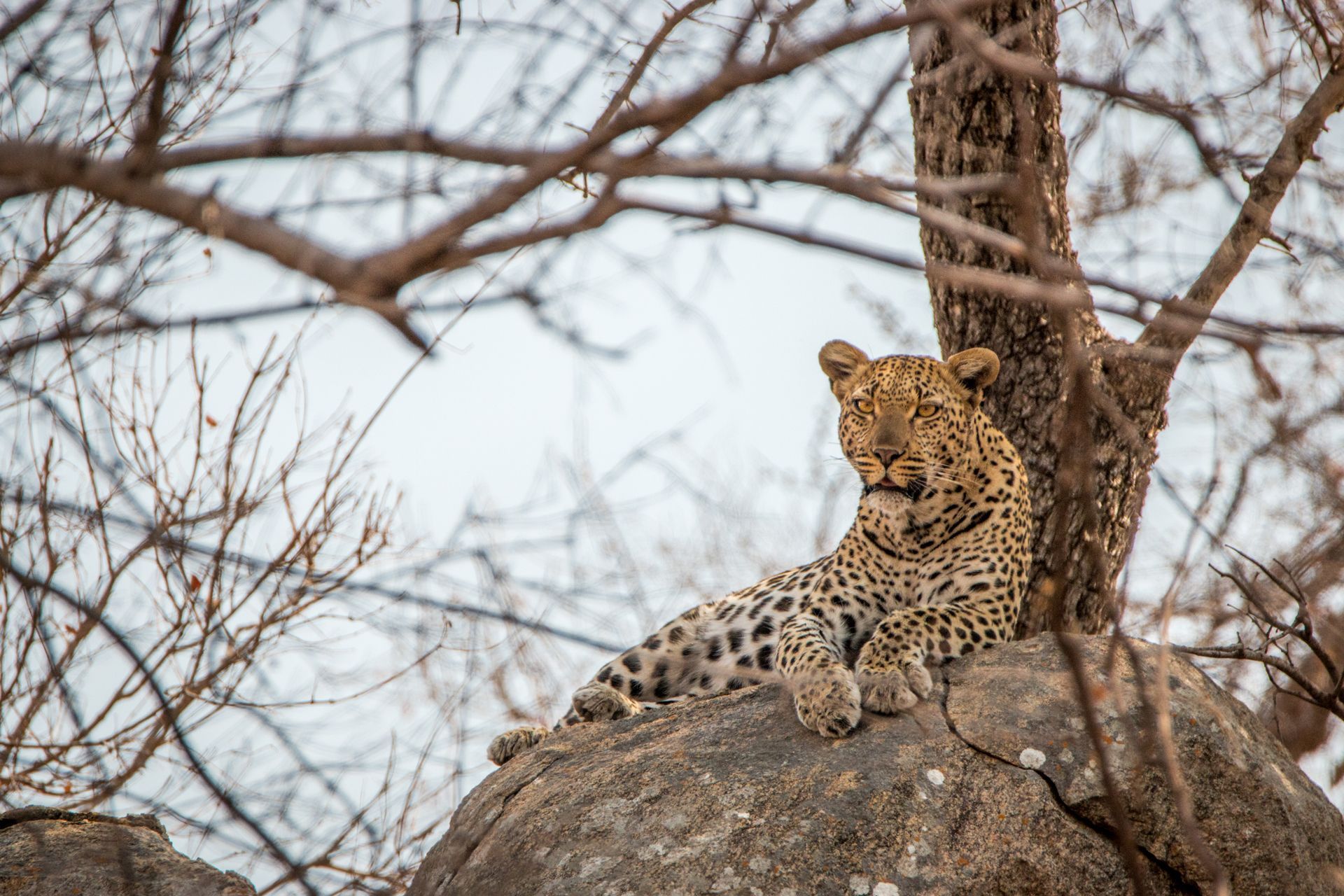
For predator viewing: Dry-season conditions can improve visibility and concentrate prey species around water, creating favourable conditions for locating predators. Sightings can never be guaranteed.
For birding: The summer green season is particularly rewarding because migratory species join the resident bird populations.
For newborn wildlife: Summer brings new life into the ecosystem and a different range of wildlife interactions from those usually associated with winter.
For photography: The dry season provides clearer sightlines and more open backgrounds, while summer brings green vegetation, changing skies and richer environmental colour.
For cooler conditions: Travellers who prefer lower humidity and cooler mornings and evenings will generally favour the winter period.
When Is the Best Time to Visit Greater Kruger?
For most first-time safari travellers prioritising wildlife visibility, May to September is generally the best time to visit Greater Kruger. The drier conditions create more open vegetation and increase the importance of permanent water sources, which can make wildlife easier to locate.
That recommendation is closely aligned with advice for travellers researching the best time to visit Kruger National Park, because both areas are influenced by the same broad Lowveld seasonal cycle.
However, there is no universally perfect safari season. Travellers who prioritise birding, newborn wildlife, greener landscapes or summer photography may prefer the warmer months from approximately November to March.
The useful question is therefore not only when to visit, but what you most want from the safari.
Photography in the Dry and Green Seasons
Greater Kruger presents photographers with two very different visual environments.
During the dry season, vegetation becomes thinner and backgrounds become more open. This can make it easier to isolate wildlife subjects and work with cleaner sightlines. The muted colours of the dry bush can also provide contrast against animals.
The green season produces almost the opposite conditions. Fresh vegetation, seasonal water and dramatic summer skies create richer environmental compositions. Wildlife may be more difficult to see through dense vegetation, but the landscape becomes a much stronger part of the image.
Neither season is automatically better for photography.
Travellers mainly interested in close wildlife portraits may favour winter, while those who enjoy environmental photography, birds, greenery and dramatic skies may find summer more rewarding.
This distinction is worth considering before choosing travel dates, particularly for photographers who already know the style of imagery they want to create.
Best Time to Visit Kruger Month by Month
January to March falls within the wetter summer period. Expect green landscapes, warm and humid conditions, active birdlife and newborn wildlife. Vegetation is denser and animals can be more dispersed because water is more widely available.
April is a transition month as rainfall diminishes and temperatures begin to cool. Green vegetation can remain while general visibility starts improving.
May and June bring the early dry season. Rainfall becomes increasingly limited, temperatures are cooler and vegetation gradually opens.
July and August are firmly within the dry winter period. Wildlife becomes increasingly dependent on permanent water, while thinner vegetation generally supports good game-viewing conditions.
September and October bring the later dry period and the transition towards summer. Conditions become progressively warmer while vegetation remains sparse ahead of the main summer rains.
November and December bring the return of seasonal rainfall and rapid changes in the landscape. Fresh vegetation, bird activity and newborn wildlife begin to alter the character of the safari.
These seasonal patterns are relevant whether travellers are researching Kruger National Park or Greater Kruger, but exact conditions always vary according to rainfall, local habitat and wildlife movement.
Wildlife does not follow a fixed timetable, so no month can guarantee a particular sighting.
Planning Your Greater Kruger Safari Around the Season
The time of year is only one factor when planning a safari. Camp location, habitat, activities, length of stay and the pace of the itinerary can be equally important.
When planning around the seasons, it helps to think beyond the calendar and consider the kind of safari you want to have.
At Bundox Explorer Camp, the experience is centred on time in the bush — game drives, wildlife watching and the slower rhythm that comes with staying in the Greater Kruger landscape.
Khanya Tented Camp adds a stronger conservation focus. It suits travellers who want their safari to include a deeper understanding of the landscape, wildlife and the conservation work taking place around them.
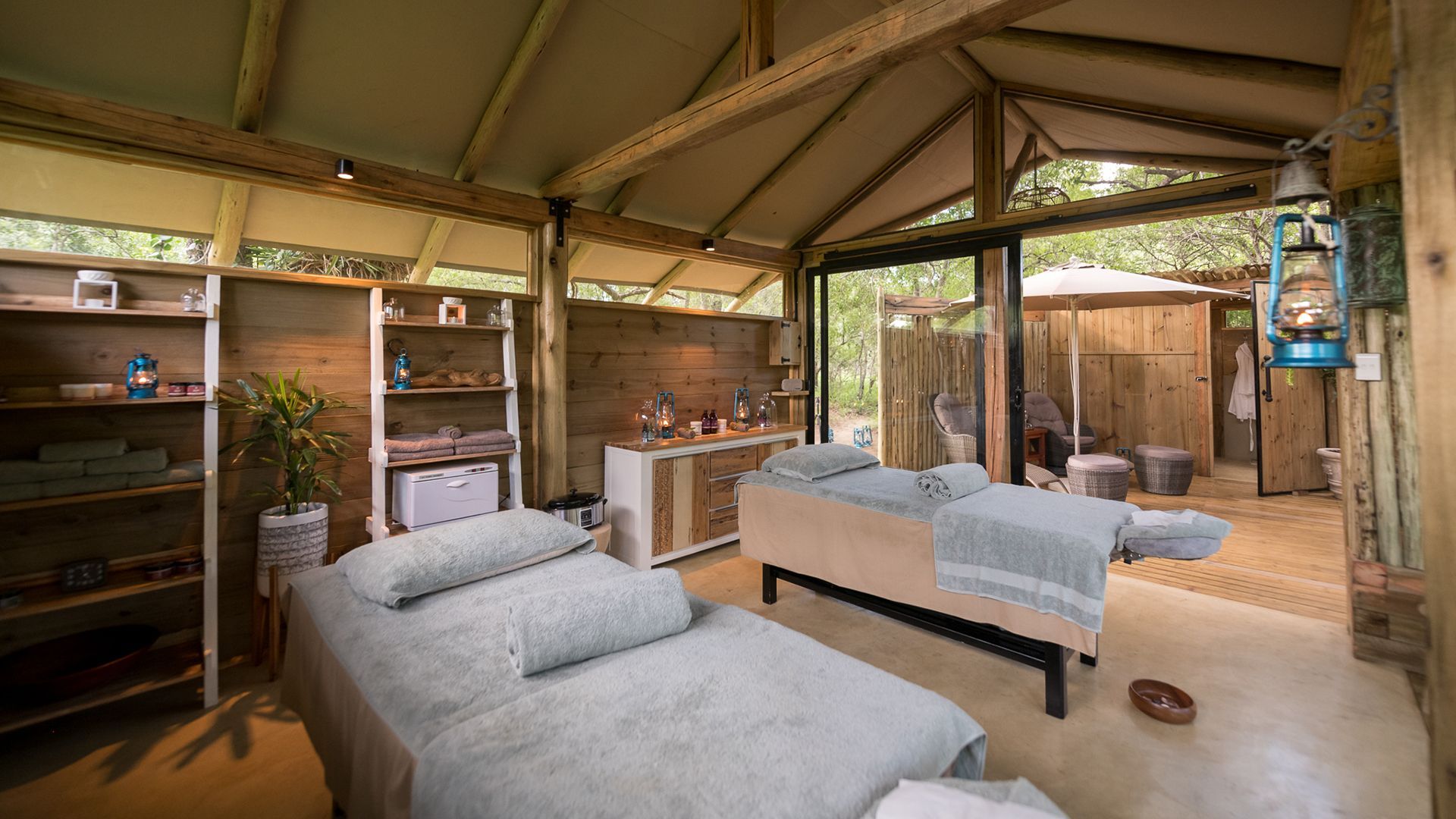
Amava River Lodge brings a different pace again, with the Olifants River shaping the experience. The emphasis is more on retreat, river views and allowing time to slow down between safari activities. For travellers who want a softer rhythm alongside wildlife viewing, it adds an important contrast to the more traditional bush-camp experience.
The Live Wild Packages bring these different settings together, allowing travellers to experience the bush, conservation and the river as part of one wider Greater Kruger journey. This works particularly well for travellers who want more than one perspective of the region, rather than spending the entire safari in a single setting.
That matters when comparing seasons. A safari should not be judged only by how many animals are visible from a vehicle. The landscape, birdlife, weather, time spent at camp and different ways of engaging with the Greater Kruger environment can all shape the experience.
Travellers planning a visit should therefore start by deciding what matters most:
- easier general wildlife visibility;
- birding;
- photography;
- cooler weather;
- green landscapes;
- or a broader safari that combines wildlife with other Greater Kruger experiences.
Once that priority is clear, choosing the right season becomes considerably easier.

Ready to Plan Your Safari?
Whether you’re drawn to the clear, golden landscapes of winter or the vibrant green energy of summer, Bundox helps you craft a safari that aligns with your ideal season.
Explore our camps, design a multi-stop journey or let our team recommend the perfect timing for your travel goals.
Start planning today: Contact Bundox Safari Co.
Frequently Asked Questions
Is the dry season really the best time to visit Greater Kruger?
For concentrated wildlife and high visibility, the dry season offers exceptional sightings. But many travellers prefer the wet season for colour, birthing activity and birdlife.
What months offer the best predator sightings?
June to October typically provides the most consistent predator activity thanks to sparse vegetation and limited water sources.
When are mosquitoes most active in Kruger?
They are most active during the wet season, especially after rainfall. Taking standard precautions ensures a comfortable stay.
Is the wet season still good for game drives?
Yes. The scenery is spectacular, wildlife is active and newborn animals provide remarkable photographic and viewing moments.
Can I still see the Big Five year-round?
Absolutely. Greater Kruger offers reliable Big Five sightings in every season, with each time of year bringing different advantages.

Subscribe to Our Newsletter