Your first safari in the Greater Kruger is more than a holiday, it’s often the beginning of an entirely new way of experiencing the natural world. For many travellers, this journey starts with simple questions: What should I expect? What should I pack? How do wildlife encounters actually work? This guide answers those questions with clarity and confidence, helping you plan a safari that feels effortless, exciting and fully informed. With Bundox Safari’s collection of stays in South Africa and our long-standing experience in the Greater Kruger, this resource brings together the essentials every first-time safari guest should know.
A safari can feel unfamiliar at first, especially if you’ve never travelled to a wildlife-rich region, but knowing what to expect transforms uncertainty into anticipation. From understanding how game drives work to learning which clothing and gear truly matter, this guide lays the foundation for your first Greater Kruger experience and helps you travel with confidence, curiosity and comfort. If you need personalised guidance while planning, the Bundox team is always available through the contact page to support your preparations.
Key Takeaways
- A first-time safari becomes easier and more enjoyable when you understand how game drives work, what wildlife behaviour looks like, and what your guide does behind the scenes.
- Packing smart, especially for early mornings, dust, and changing temperatures, has a major impact on comfort and enjoyment.
- Choosing the right level of accommodation (camp, lodge or villa) depends on your preferred pace, privacy and style of travel.
- Conservation-focused safaris offer deeper meaning, allowing first-time travellers to engage with the region on a more personal level.
- The Greater Kruger is ideal for beginners because it offers strong wildlife density, experienced guides, and a well-established safari infrastructure.
What to Expect on Your First Game Drive
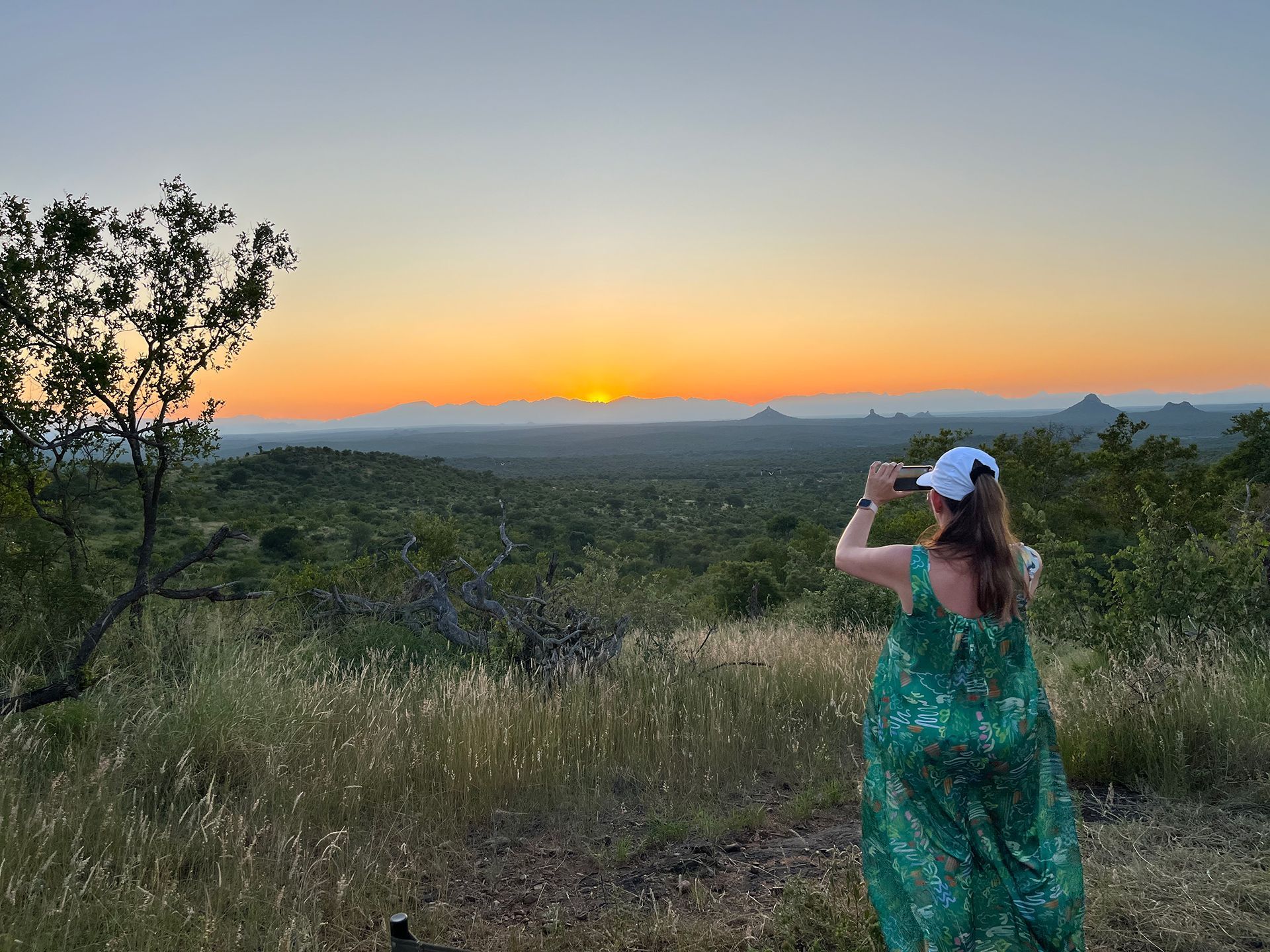
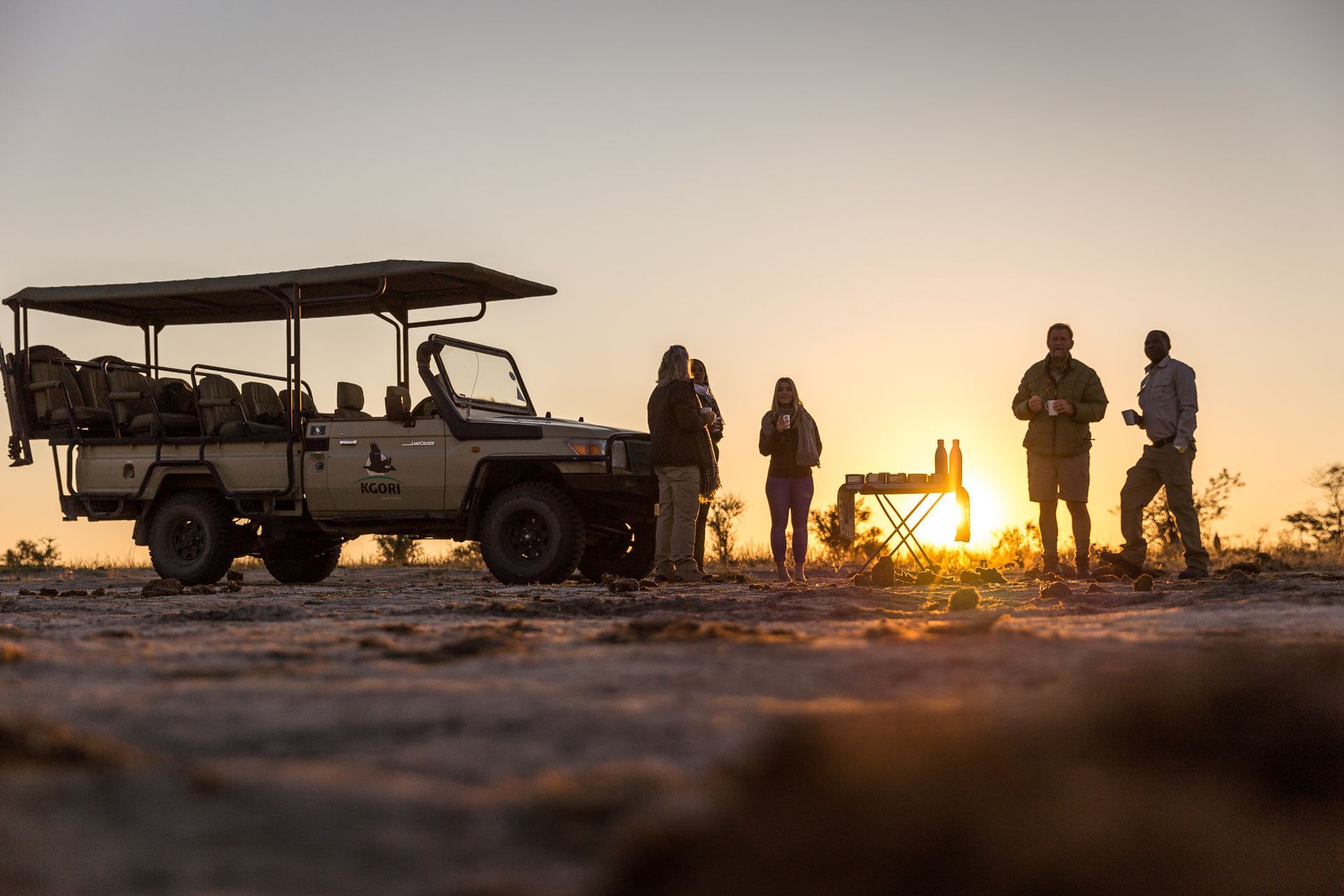
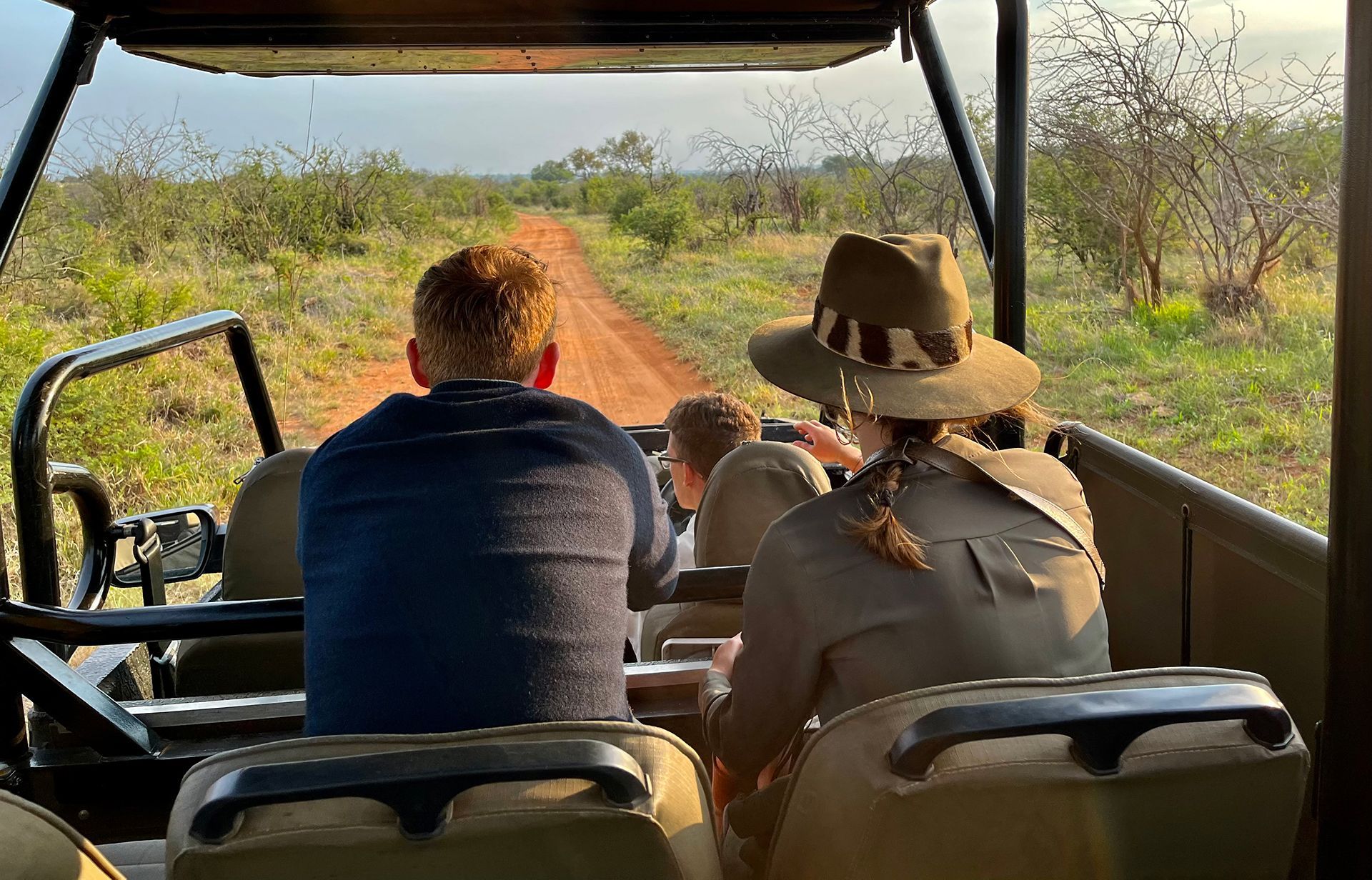
Your first game drive sets the tone for your entire safari, and understanding how it works helps you settle in quickly. Most drives take place early in the morning, when wildlife is active, and again in the late afternoon when temperatures cool and animals begin moving toward water sources. These drives typically last several hours, combining slow exploration with moments of stillness as your guide listens, scans and interprets the landscape.
You’ll travel in an open safari vehicle, offering unobstructed views for photography and wildlife observation. The pace is calm and intentionally unhurried, allowing guides to track fresh signs such as footprints, broken branches or calls that signal nearby animals. First-time travellers are often surprised by how much they see within the first few hours, and how quickly the sounds, scents and pace of the bush become familiar. By the end of your first drive, you’ll understand why experienced safari-goers say the journey becomes as rewarding as the sightings themselves.
Understanding Wildlife Behaviour and Safety
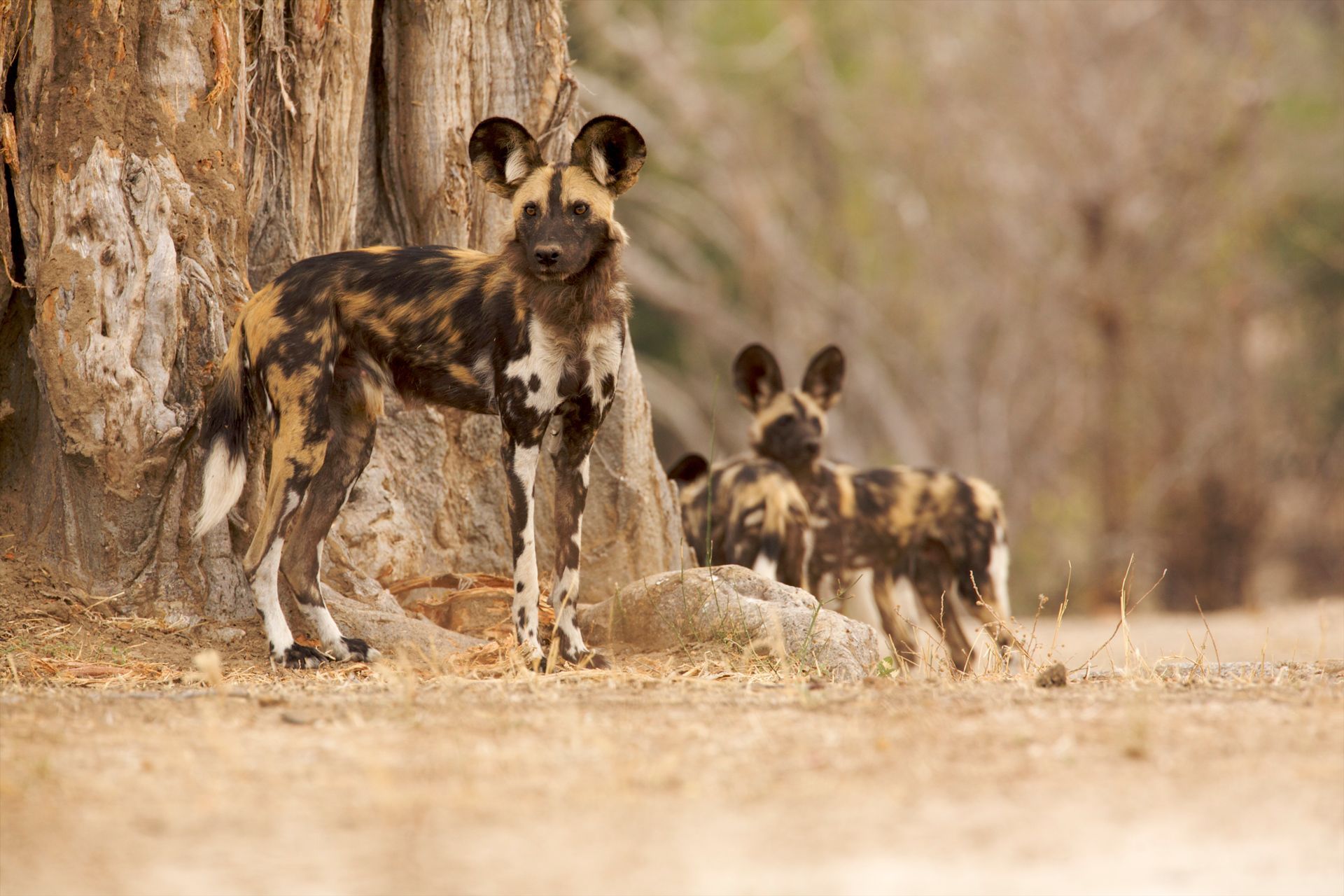
One of the greatest advantages of the Greater Kruger is its highly experienced guiding community, who prioritise both safety and education. Your guide will explain the behaviour of elephants, lions, antelope, birds and smaller animals as you encounter them, helping you understand why they move, feed, vocalise or rest the way they do. For first-time travellers, this insight turns every sighting into a story rather than a simple observation.
Wildlife encounters follow strict respect-based boundaries. You’ll keep safe distances from animals, remain inside the vehicle during sightings, and stop only where conditions allow. Guides communicate quietly, avoiding unnecessary noise so that animals remain relaxed and in their natural state. This approach not only ensures guest safety but also preserves the integrity of the wildlife experience. Because the Greater Kruger ecosystem is vast and unfenced in many areas, animals move naturally, creating authentic encounters that feel both intimate and completely wild.
Choosing the Right Level of Comfort with Bundox
Where you stay shapes your safari experience just as much as the wildlife you encounter, and Bundox offers three distinct style, each designed for a different kind of traveller.
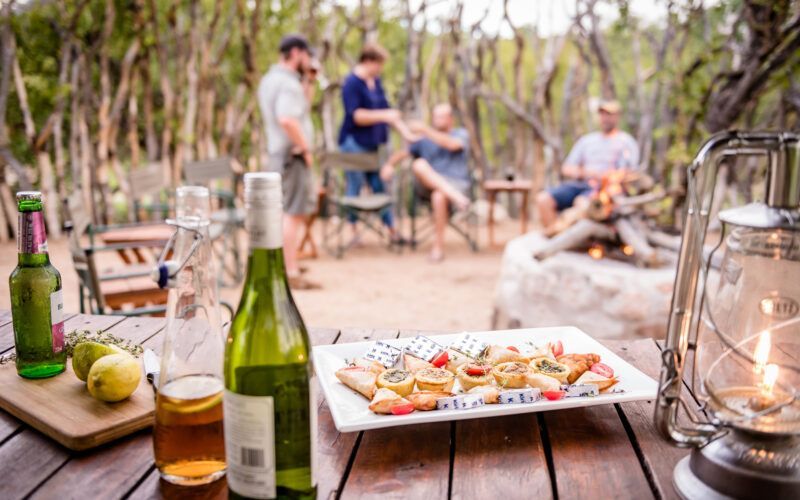
Bundox Explorer Camp offers a classic tented safari feel, ideal for guests who want a deep connection to nature. Canvas walls, lantern-lit evenings and morning birdsong create an authentic bush atmosphere without compromising comfort. It’s a great choice for first-time safari travellers who want to feel close to the wilderness while still enjoying attentive hosting and daily guided activities.
Khanya Conservation Camp sits at the intersection of comfort and purpose. Accommodation is simple yet thoughtfully designed, providing everything guests need for a meaningful conservation-focused stay. This option is perfect for travellers who want a hands-on understanding of the Greater Kruger ecosystem, joining monitoring sessions, habitat observations or conservation activities while still enjoying a warm, relaxed camp environment.
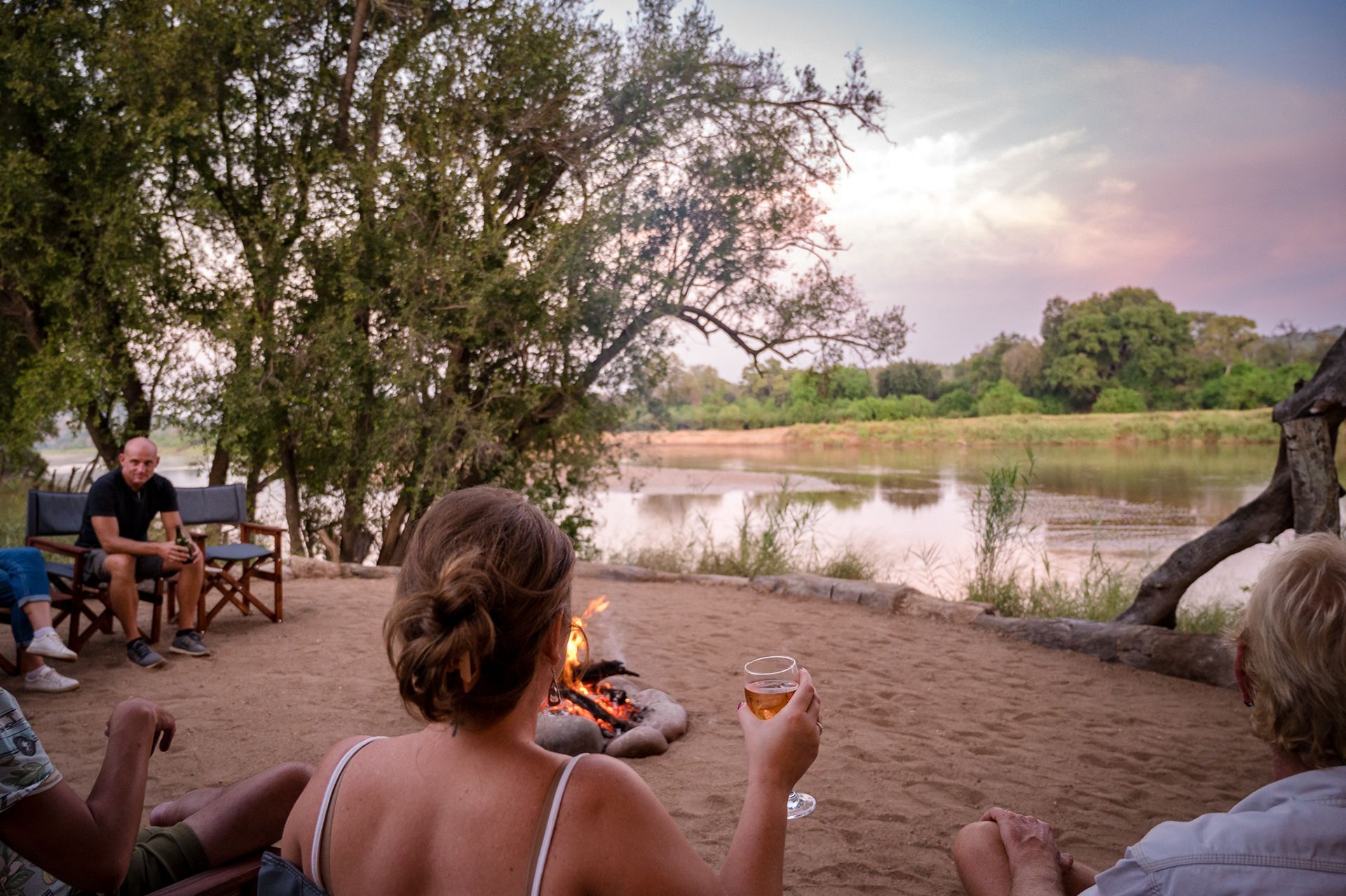
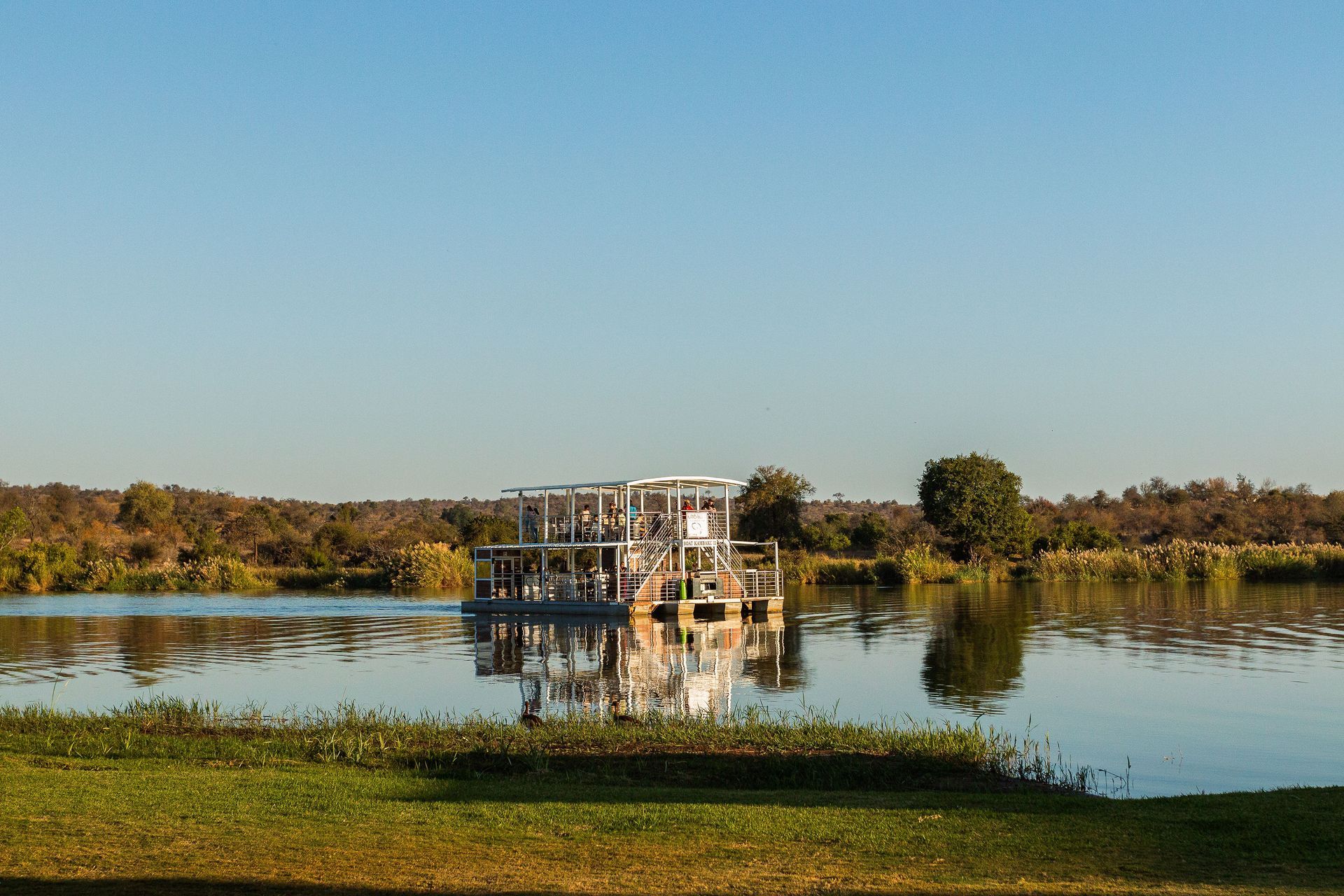
Amava River Lodge, positioned along the Olifants River, provides the most elevated level of comfort in the Bundox collection. Spacious suites, scenic riverfront decks, lodge-style facilities and peaceful natural surroundings make it particularly suited to couples, families or guests who prefer a softer, more luxurious landing after game drives.
Travellers can also combine camps to create a multi-layered experience, for example, pairing the authentic bush energy of Explorer Camp with the riverfront tranquillity of Amava, or adding a conservation element through time at Khanya. Choosing the right combination depends on your pace, the type of immersion you prefer, and how you like to recharge between activities.
Packing Essentials First-Timers Forget
Packing for a safari is easier than you think, but first-timers often overlook a few essentials that make a significant difference. Temperatures can shift dramatically between early morning and midday, so layered clothing is key. Neutral-coloured shirts, lightweight long sleeves, a warm jacket and comfortable shoes are all practical choices.
Dust can be persistent on game drives, making sunglasses, buffs or scarves extremely useful. A small daypack helps you carry sunscreen, lip balm, water and camera accessories comfortably. Many travellers forget about practical night-time items like small flashlights and insect repellent, not because conditions are unsafe, but because the bush is naturally darker than urban environments.
Finally, bring a reusable water bottle, a hat with proper sun protection and a sense of curiosity. These small additions make each day feel smoother and more enjoyable.
Ready to Plan Your First Safari?
A first safari is unforgettable, and the Kruger area is one of the world’s best places to begin. If you want support selecting the right season, pace, accommodation style or itinerary, the Bundox team is here to help you design a journey that feels seamless from the very beginning.
Start planning your first safari with confidence: Contact Bundox Safari Co.
Your journey into the wild begins the moment you decide to go.
Frequently Asked Questions
What should I wear on my first safari?
Layering is essential. Wear neutral colours, lightweight long sleeves for sun protection, and bring a warm jacket for early morning or late evening drives.
Are safaris safe for solo travellers?
Yes. Guided safaris in the Greater Kruger are highly structured, with experienced guides ensuring safety at all times. Lodges commonly host solo travellers.
Should I choose a guided lodge or self-drive?
First-time safari guests almost always benefit more from guided experiences. Guides interpret signs, behaviour and movement patterns that beginners may miss.
Do you need binoculars on safari?
Yes. Even basic binoculars improve sightings and help you appreciate details that the naked eye may miss.
How many nights is ideal for a first safari?
Most first-time travellers find 5 to 7 nights ideal, long enough to see a wide variety of wildlife without feeling rushed.

Subscribe to Our Newsletter