Inside a Real Conservation Safari: What Actually Happens at Khanya Tented Camp
A true conservation work in South Africa is not defined by marketing slogans or generic eco-tourism claims, it’s defined by real fieldwork, real data collection, and real impact. At Khanya Tented Camp, part of the Bundox portfolio, guests step directly into the living, breathing work that protects wildlife across the Greater Kruger region. This is where travellers help set up camera traps, join monitoring drives, contribute to habitat restoration, and witness the conservation cycle unfold day by day. For travellers searching for an impactful safari South Africa, Bundox Safari Co offers an experience with genuine purpose and hands-on impact, at the dedicated Khanya Tented Camp. To enquire or begin planning your journey, travellers can connect with Bundox via the official contact page and secure a premium experience that blends adventure with conservation work South Africa is globally recognised for.
Key Takeaways
- Khanya Tented Camp offers a conservation safari built around real wildlife monitoring, not staged activities.
- Guests join researchers in camera trapping, habitat work, snare removal and data-based conservation tasks.
- Every guest contributes to meaningful conservation outcomes through daily guided fieldwork and insights.
- Bundox offers a transactional, high-intent booking experience, ideal for travellers wanting premium, purpose-driven safaris.
What Makes a Conservation Safari Different at Khanya Tented Camp
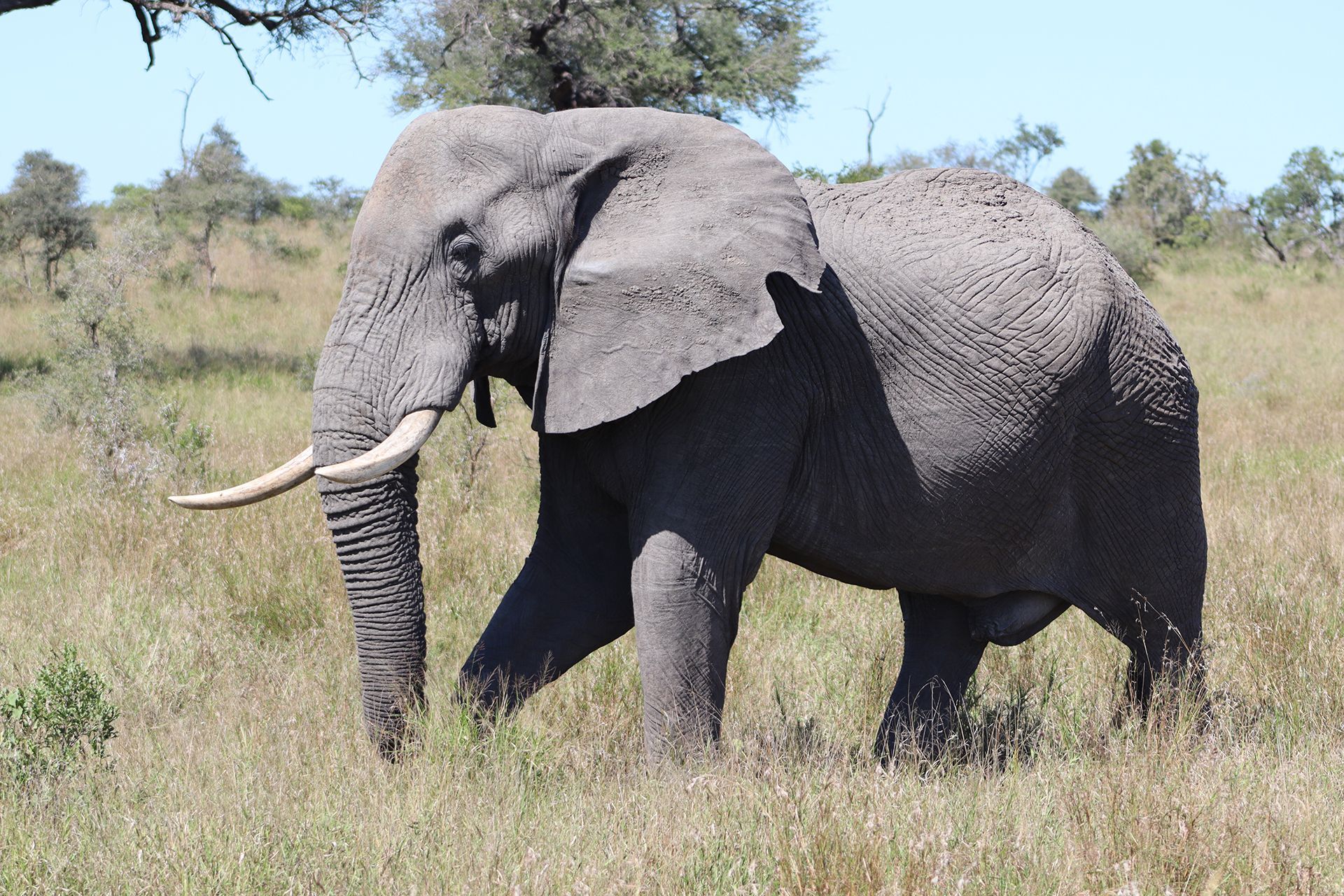
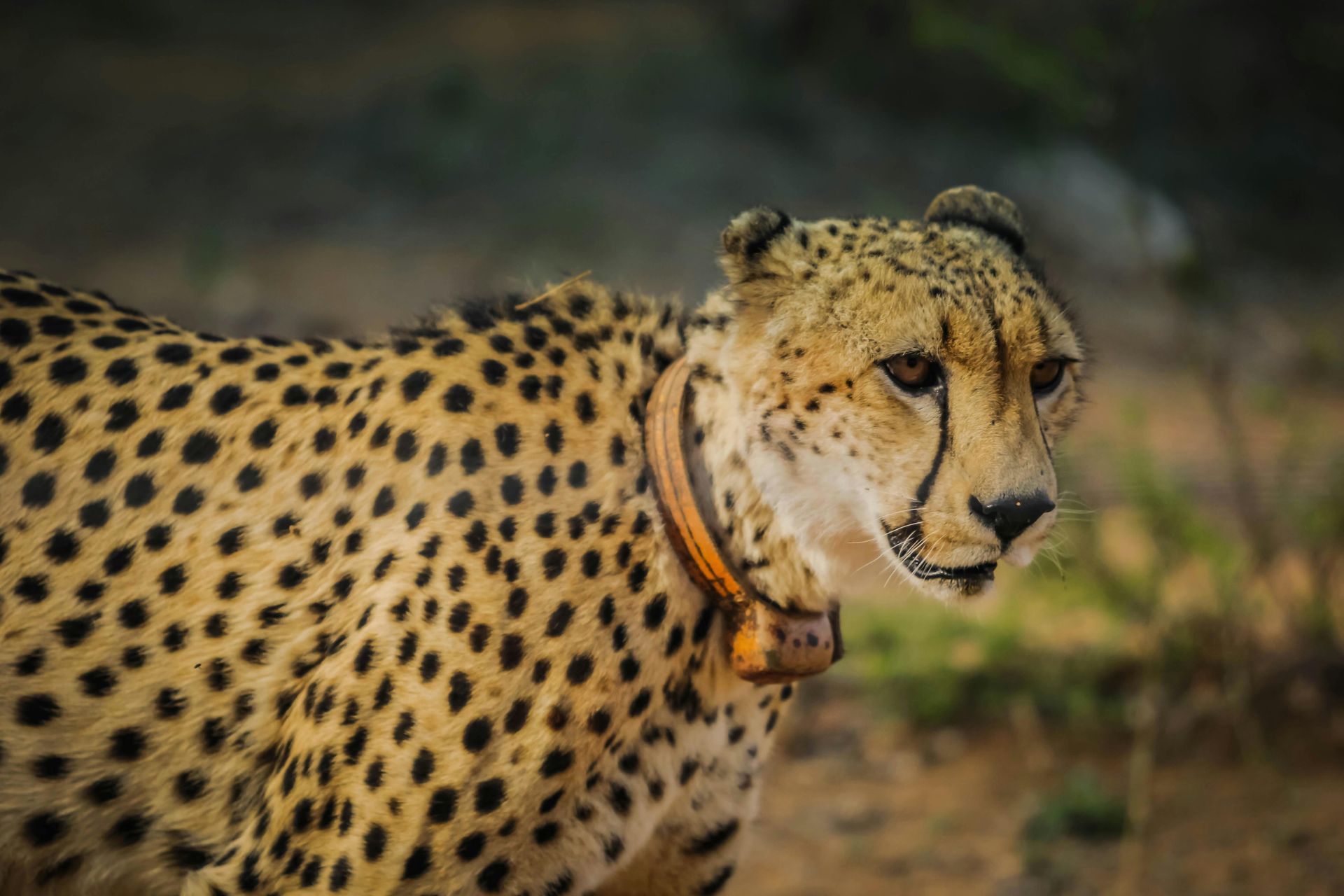
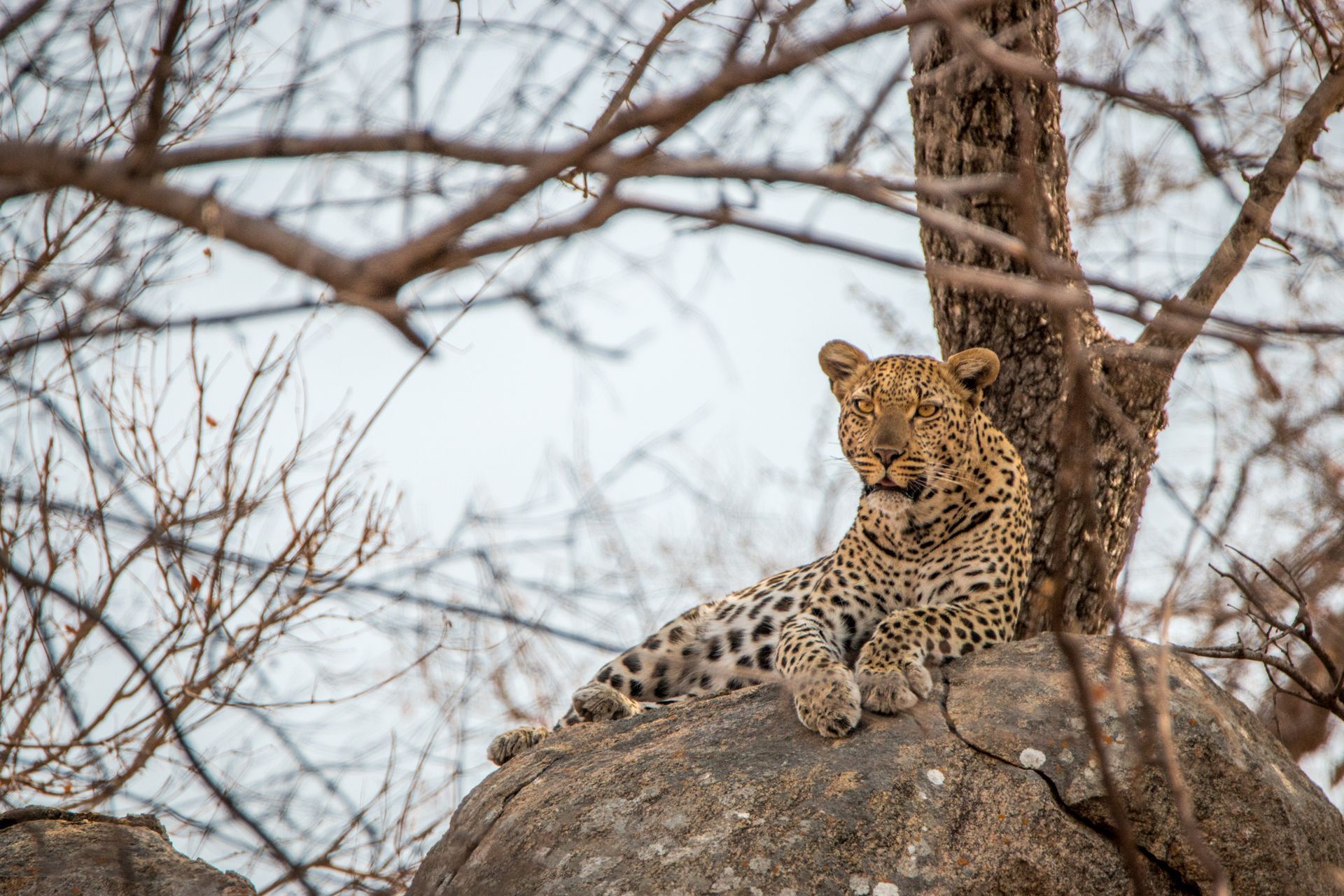
Most safaris stop at viewing wildlife, but a conservation safari requires going deeper, asking how wildlife is monitored, how habitats are restored, and how human–nature balance is managed in a real reserve. At Khanya Tented Camp, the experience goes far beyond sightings: guests join a structured conservation program that takes place across the Olifants view Nature Reserve within the Greater Kruger landscape. This means travellers spend time with ecologists, researchers, and conservation guides who explain how data shapes management decisions, how field monitoring techniques work, and why activities such as camera trapping or snare removal are fundamental to wildlife protection. The result is a safari that feels purposeful, immersive, and connected, ideal for travellers ready to invest in an experience that contributes directly to the landscape they’re exploring.
Step-by-Step Wildlife Monitoring: How Guests Collect Data in the Greater Kruger
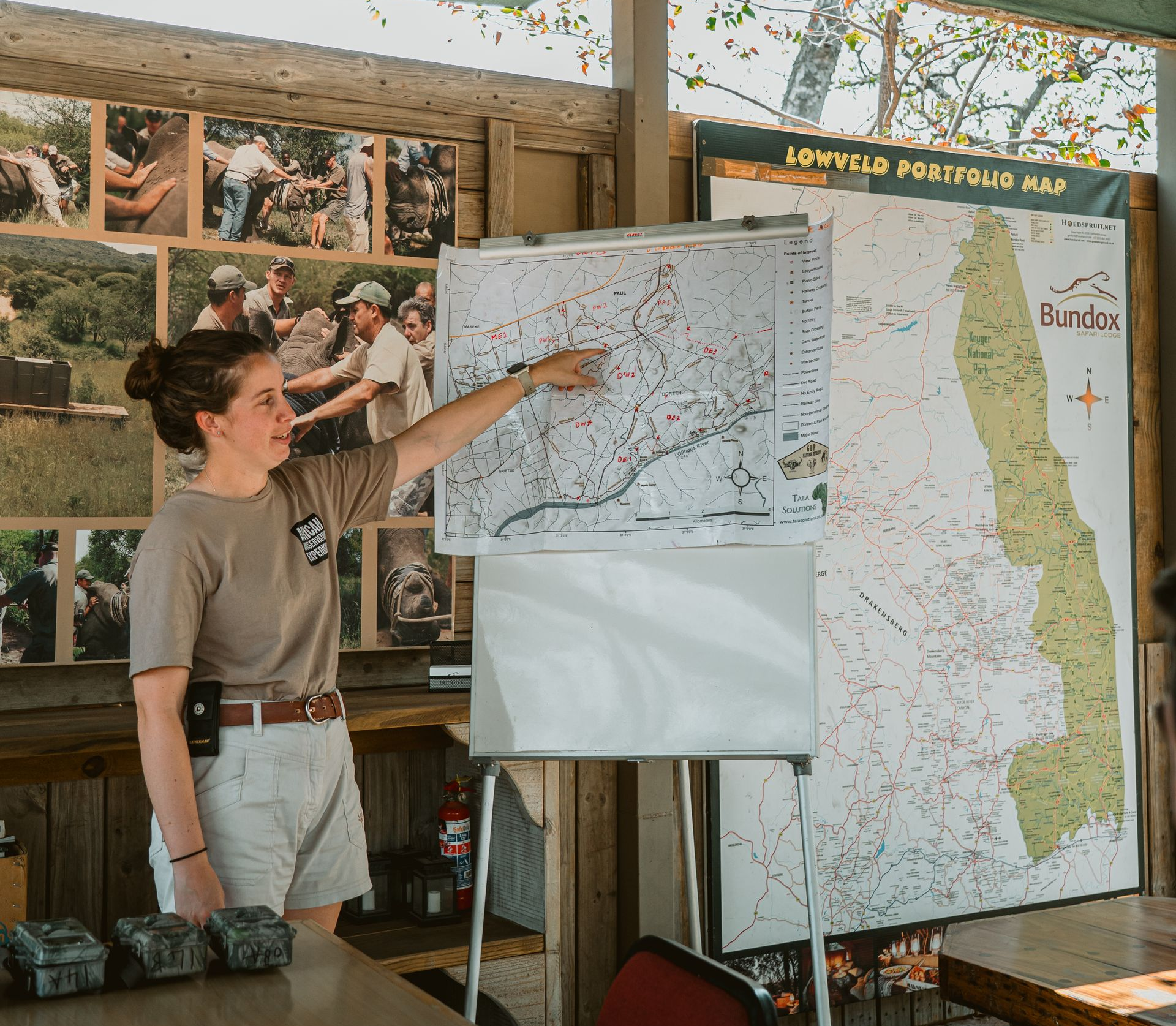
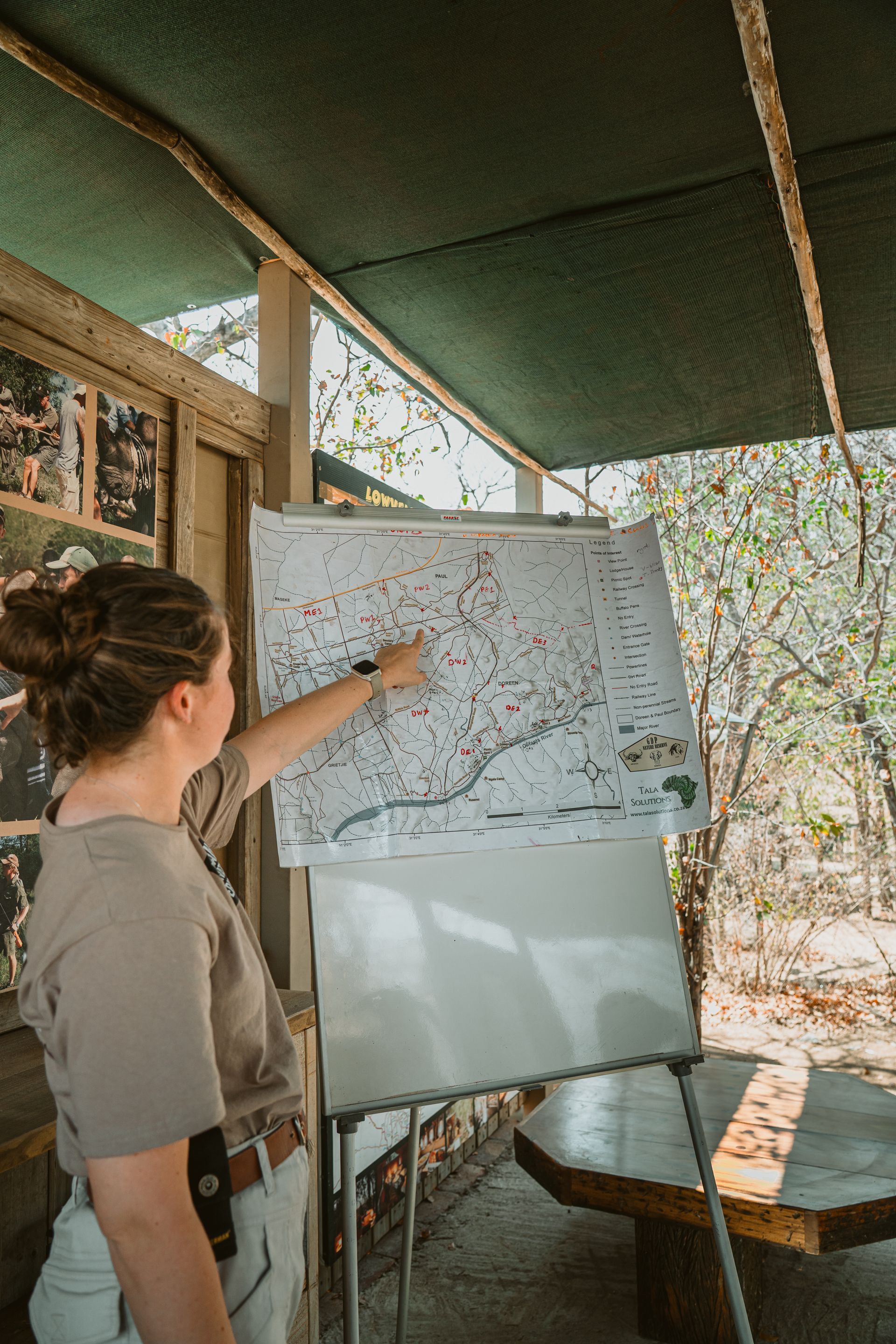
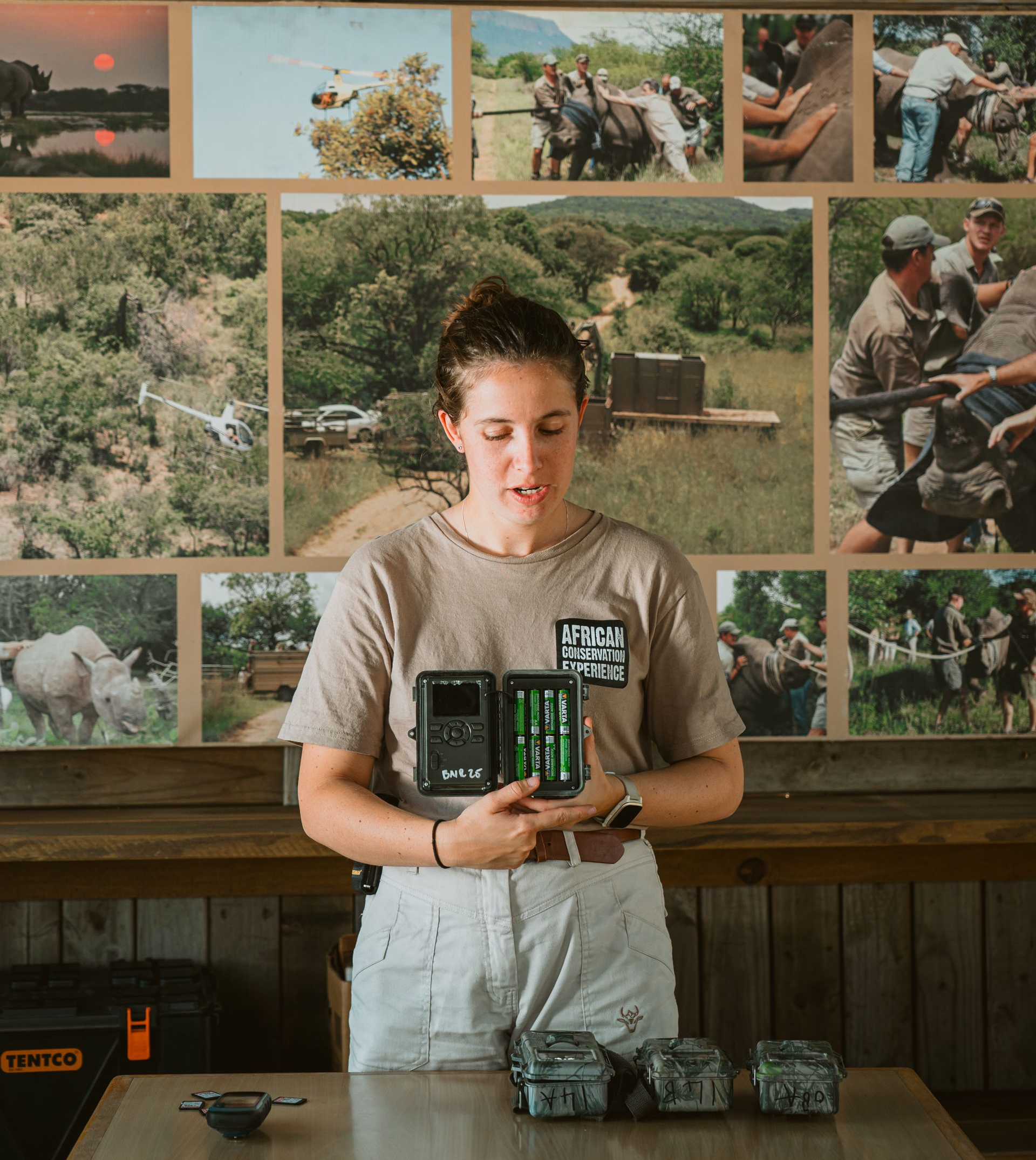
Wildlife monitoring is the backbone of any conservation program, and at Khanya, guests participate in the full process from briefing to field deployment. After a morning introduction, travellers join the research team during a drive to assist with setting up camera traps across selected monitoring zones. Throughout the activity, guides explain how each trap contributes to long-term movement studies, population assessments, and species monitoring. Previous monitoring cycles have revealed valuable insights, such as unexpectedly strong brown hyena and African wildcat presence, demonstrating how simple tools can generate significant conservation outcomes. For travellers wanting a safari with impact, wildlife monitoring offers a rare combination of education, action, and authentic research immersion.
Snare Removal, Bush Clearing and Real Habitat Work Guests Can Join
Habitat protection is a year-round effort, and travellers at Khanya have the opportunity to support the teams working to restore and maintain healthy ecosystems. Activities may include assisting in snare sweeps, clearing old wire or debris along wildlife paths, removing alien plants, and supporting bush clearing tasks that reopen natural movement corridors. These tasks are always supervised and ensure guests understand the purpose behind each action, whether it reduces poaching risk, improves biodiversity, or restores overgrown areas impacted by environmental pressure. The hands-on nature of these experiences helps travellers learn how on-the-ground conservation differs from behind-the-scenes research work, and provides tangible understanding of how small interventions can have measurable impact on wildlife safety and habitat resilience. These tasks also deepen the authenticity of the experience, transforming a safari into a meaningful contribution.
A Day in the Life: What a Conservation-Focused Safari Really Looks Like
A conservation safari at Khanya is carefully structured to balance fieldwork, education, and traditional safari enjoyment. Guests typically start at first light with a wake-up call and coffee, before departing on a morning drive that includes conservation tasks such as camera trap placements or alien plant removal. After a mid-morning brunch, the late morning is dedicated to an interactive conservation session with the research team, combining short presentations with open discussion to help guests understand the reserve’s active projects. The afternoon brings leisure time before another monitoring-focused drive, blending wildlife encounters with real-time data gathering. Sundowners in the bush lead into an evening around the fire, where guides share updates, bush stories and insights based on the day’s activities. This rhythm ensures each guest enjoys both the wildlife and the science behind its protection.
Why Ethical Safaris Matter: How Khanya’s Work Helps the Greater Kruger
Choosing an ethical safari in the Greater Kruger means supporting conservation systems that protect endangered species, maintain large landscapes, and reinforce sustainable practices across the region. At Khanya, every conservation task guests join, whether monitoring predators, tracking herbivore movement, removing snares, or learning about habitat management, directly contributes to the reserve’s operational goals. The data collected feeds into long-term planning, anti-poaching strategies, and population assessments that strengthen the wider ecosystem. Guests leave with a deeper understanding of why ethical safari practices matter, how responsible tourism sustains wildlife areas, and how every person who visits Khanya has a measurable impact. This alignment between experience, education and action is what sets Bundox apart, delivering a premium safari with purpose that resonates long after guests return home.
Be Part of Conservation That Makes a Real Difference
If you want to take part in genuine conservation work, not just observe it from a distance, reach out to the Bundox team ahead of your stay to secure your place. Khanya Tented Camp offers travellers the rare opportunity to assist with real, ongoing fieldwork such as camera-trap checks, habitat restoration support and guided monitoring sessions that feed directly into active research in the Greater Kruger ecosystem. Because these activities form part of the camp’s daily conservation operations, they need to be organised in advance to ensure guests can be meaningfully integrated into the work already underway. Guests who want this experience packaged into a seamless multi-camp itinerary can explore the Live Wild Plus journey as an optional way to combine adventure, conservation and comfort. Reach out to Bundox Safari to learn how your visit can shape real impact on the ground.
Frequently Asked Questions
What is a conservation safari in South Africa?
A conservation safari includes traditional wildlife viewing but adds real fieldwork, such as camera trap setup, habitat restoration and wildlife monitoring, giving guests an active role in conservation efforts.
Where is Khanya Tented Camp located?
The camp is situated inside an 8,500-hectare reserve within the Greater Kruger region, offering authentic, uncrowded wilderness.
Do guests participate in real conservation work?
Yes. Activities can include camera trapping, snare removal, bush clearing, monitoring drives and daily conservation briefings with trained field staff.
Is this experience ethical and responsible?
Yes. All activities follow strict ethical guidelines, ensure wildlife is not disturbed, and support ongoing conservation programs.
How can I book a conservation-focused safari with Bundox?
Travellers can secure their journey directly via the contact page.

Subscribe to Our Newsletter