Packing for a safari in Africa is often one of the most confusing parts of trip preparation, especially for travellers visiting South Africa for the first time. Between early morning chills, warm afternoons, dusty game-drive roads and changing seasonal conditions, knowing what to bring can transform your comfort and confidence in the bush. At Bundox Safari Co., guests staying at our South Africa safari camps often ask what they truly need to bring for a smooth and comfortable journey into the bush. This guide brings together practical insight shaped by real experience in the Greater Kruger, helping you pack with confidence, clarity and the right expectations. And if you’d like personalised guidance, our team is always available via the Bundox contact page to assist before you travel.
Key Takeaways
- Safari clothing should match the seasonal patterns of the Greater Kruger
- Neutral colours, breathable fabrics and layering are the foundations of a functional safari wardrobe.
- Essential gear like binoculars, daypacks and cameras greatly improve game-drive experiences.
- There are several items, bright colours, noisy fabrics, heavy boots, you can confidently leave at home.
Clothing for Every Season in Greater Kruger
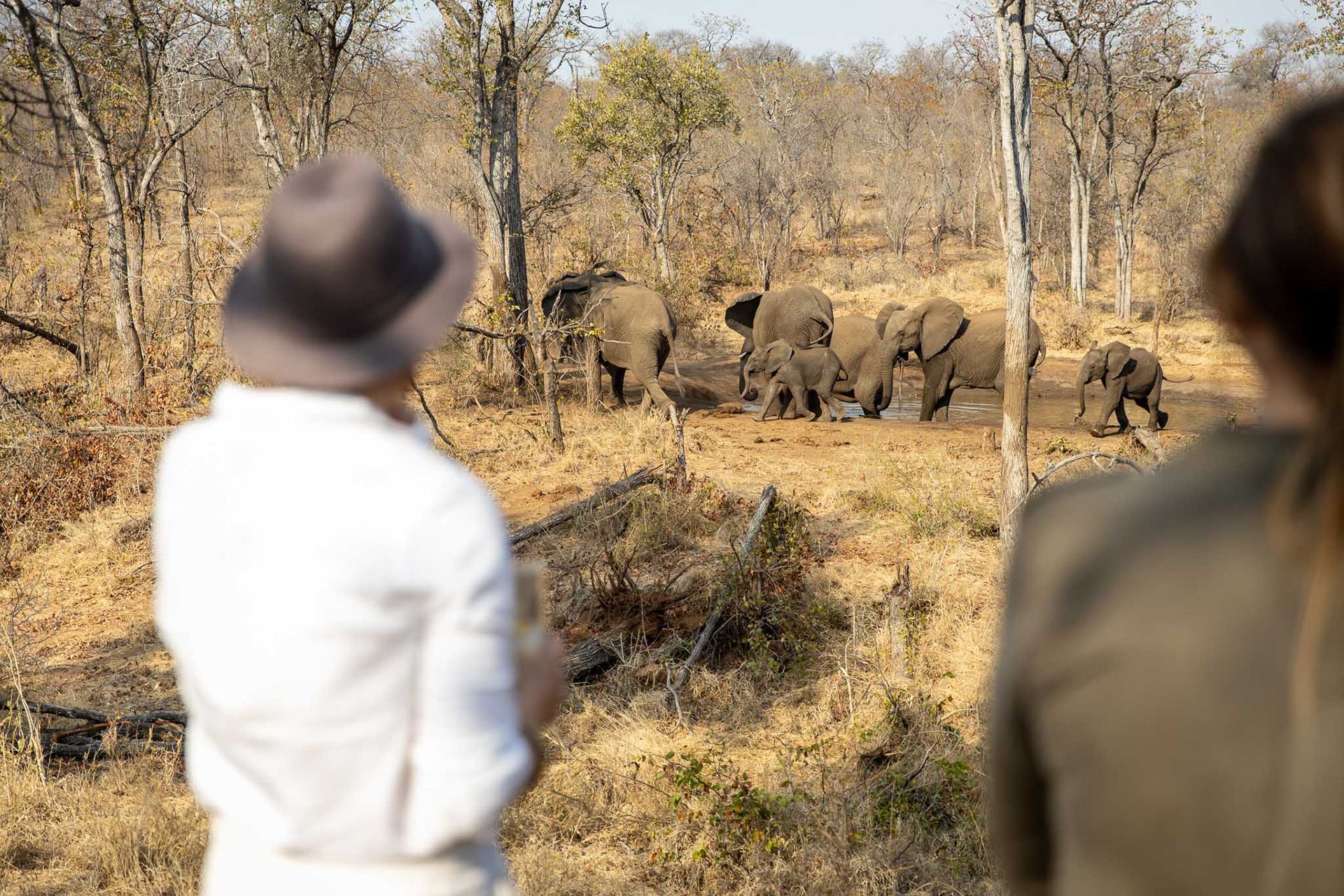
Clothing is one of the most important parts of any safari packing list, and choosing well can make your time in the Greater Kruger significantly more comfortable. Because the region shifts between cool, dry winters and warm, sometimes rainy summers, the key is flexibility. Neutral, breathable layers give you the freedom to adapt to temperature changes throughout the day while staying comfortable during long hours outdoors.
What to pack for comfort and versatility:
- Lightweight, neutral-coloured shirts (avoid bright or reflective colours)
- Breathable long sleeves for sun protection
- Warm layers for mornings and evenings: fleece, jacket, scarf, beanie
- Quick-dry trousers or comfortable safari pants
- A wide-brimmed hat and UV-protective sunglasses
- Comfortable walking shoes (heavy hiking boots are not required for lodge-based safaris)
- Flip-flops or sandals for relaxing around the lodge or moving between activities
- A swimsuit, as each Bundox camp and lodge offers a pool or relaxation area where guests can cool off
- A dress-up outfit, whether simple or more formal, for evenings at the lodge, especially if you enjoy adding a touch of romance or occasion to a dinner in the bush
Earthy tones such as olive, sand, beige and grey blend naturally into the landscape and keep the viewing atmosphere calm around wildlife. No matter the season, clothing that allows for layering, movement and adaptability will always serve you best.
Essential Gear (Binoculars, Cameras, Daypacks)
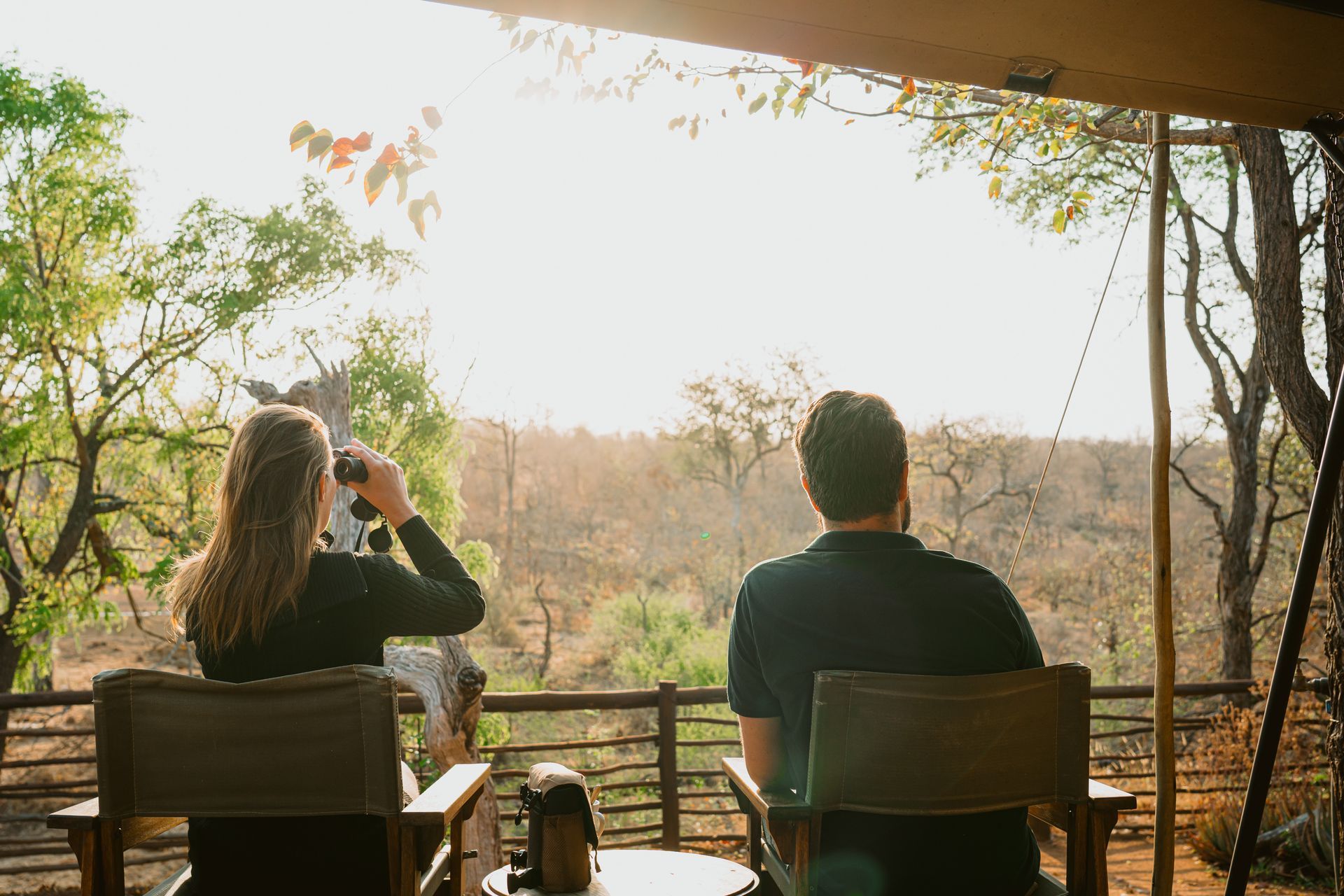
The right gear can elevate your safari from enjoyable to exceptional. Binoculars are not just helpful, they are essential, allowing you to spot wildlife at a distance and appreciate subtle behaviours that might otherwise go unnoticed. Cameras, whether smartphone or DSLR, help capture the beauty of the bush, and a few protective accessories keep equipment functioning well in a dusty environment.
Useful gear to bring:
- Binoculars (compact or full-sized)
- Smartphone or camera with a protective case
- Lens cloths, dust covers and spare memory cards
- A small daypack for water, sunscreen and layers
- Reusable water bottles to stay hydrated
- Lightweight dry-bags for sudden summer rain
- A power bank for long game drives
With these essentials, you’ll be prepared for any moment the bush presents, from unexpected predator sightings to dramatic skies after afternoon storms.
Health, Safety and Sun Protection Must-Haves
Conditions in the Greater Kruger can shift quickly, and preparing for sun, dust and temperature changes ensures a more comfortable safari from day one. Many of these items don’t take up much space, but they make a noticeable difference during full days outdoors.
Important items to include:
- High Sun Protection Factor, non-greasy sunscreen
- Lip balm
- Insect repellent (especially useful in the summer months)
- Basic personal medication and a small first-aid kit
- Antihistamines and simple pain relief
- Hand sanitiser and biodegradable wet wipes
- A reusable water bottle for constant hydration
With these essentials in your daypack, you can enjoy game drives fully, without worrying about sun exposure, minor discomforts or unexpected weather.
What Not to Pack for a Safari
Some items feel useful at home but quickly become unnecessary or impractical on safari. Heavy hiking boots, for example, are rarely required for lodge-based itineraries and only add weight to your luggage. Large makeup kits, hair appliances and similar items often go unused in the bush, where early mornings, open vehicles and natural conditions favour simple routines.
Items you can confidently leave at home:
- Heavy hiking boots
- Large makeup bags and styling appliances
- Bright, reflective or noisy clothing
- Full-sized toiletries
- Bulky handbags
- Fragile items
- Bedding and towels (all provided at Bundox lodges)
Safari travel is meant to feel easy and unencumbered, and packing light helps you move effortlessly between activities. Most guests find that they rely on a small selection of practical, comfortable items day after day and appreciate how straightforward their luggage becomes.
Ready to Pack for Your Safari?
Smart packing makes a safari smoother, more comfortable and more focused on what matters: the wildlife, the landscapes and the deep sense of presence that comes with time in the bush. If you're unsure what to pack, need help preparing for a specific season or want guidance on Bundox’s accommodation styles and itineraries, our team is ready to assist.
Start planning with confidence: Contact Bundox Safari Co.
Your journey begins long before you arrive, packing well simply sets the tone.
Frequently Asked Questions
Can you wear black on safari?
Black clothing is not recommended on safari, especially in warmer months, as it absorbs heat. Neutral colours remain the best choice.
Do you need hiking boots for Greater Kruger?
Generally, no. Lightweight walking shoes or trainers are ideal for lodge-based safaris. Hiking boots are only necessary for wilderness trails or specialised walking safaris.
Is it safe to bring expensive camera gear?
Yes, as long as it remains in your possession and protected from dust. Safari vehicles and lodges are accustomed to photography equipment.
What toiletries should I pack for the bush?
Bring travel-sized essentials: sunscreen, repellent, moisturiser, lip balm, basic first-aid items and any personal medication. Most lodges provide shampoo and body wash.
Are power banks allowed in safari vehicles?
Yes. Power banks are permitted and extremely useful for long game drives where charging facilities may be limited.

Subscribe to Our Newsletter