Choosing a safari lodge is not just about where you stay, it defines how you experience the bush, what you see, and how deeply you understand it.
At Bundox Safari Co., we approach safari planning from the perspective that not all lodges, locations, or experiences deliver the same outcome. Across the Greater Kruger, the difference lies in structure, guiding, location, and how the journey is designed.
You can begin by exploring our safari packages, understanding our footprint across South Africa. You can also speak directly to a safari specialist, helping you shape and refine every detail to make your dream safari a reality..
The key point is this: the best safari lodge in Kruger is not defined by category or price, it is defined by how well it aligns with the experience you are trying to have.
Key Takeaways
- Location within Greater Kruger directly impacts exclusivity and wildlife quality
- Smaller lodges deliver more personal, less commercial experiences
- Budget influences comfort, but structure determines value
- Guiding quality shapes the entire safari experience
- The right lodge depends on your travel style, not popularity
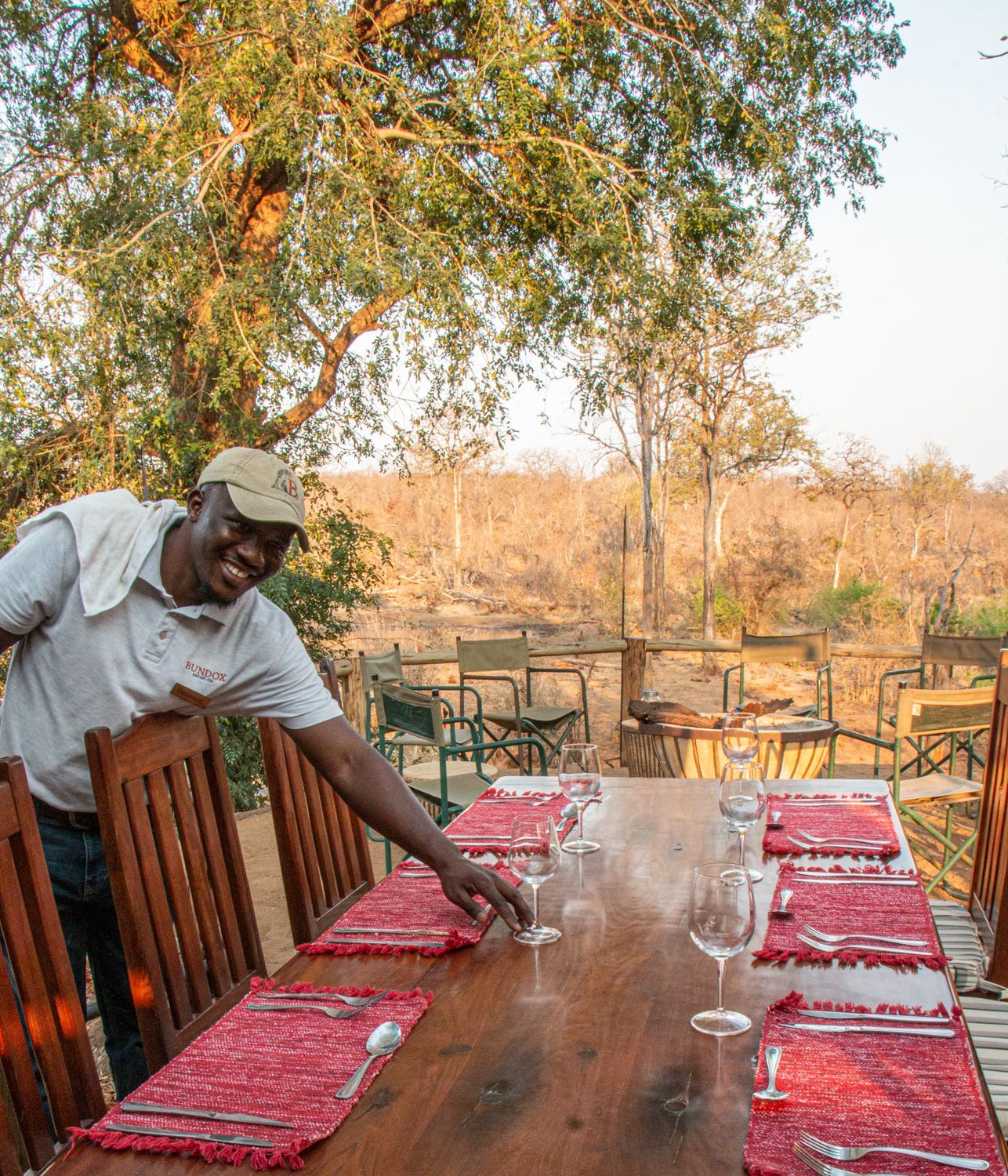
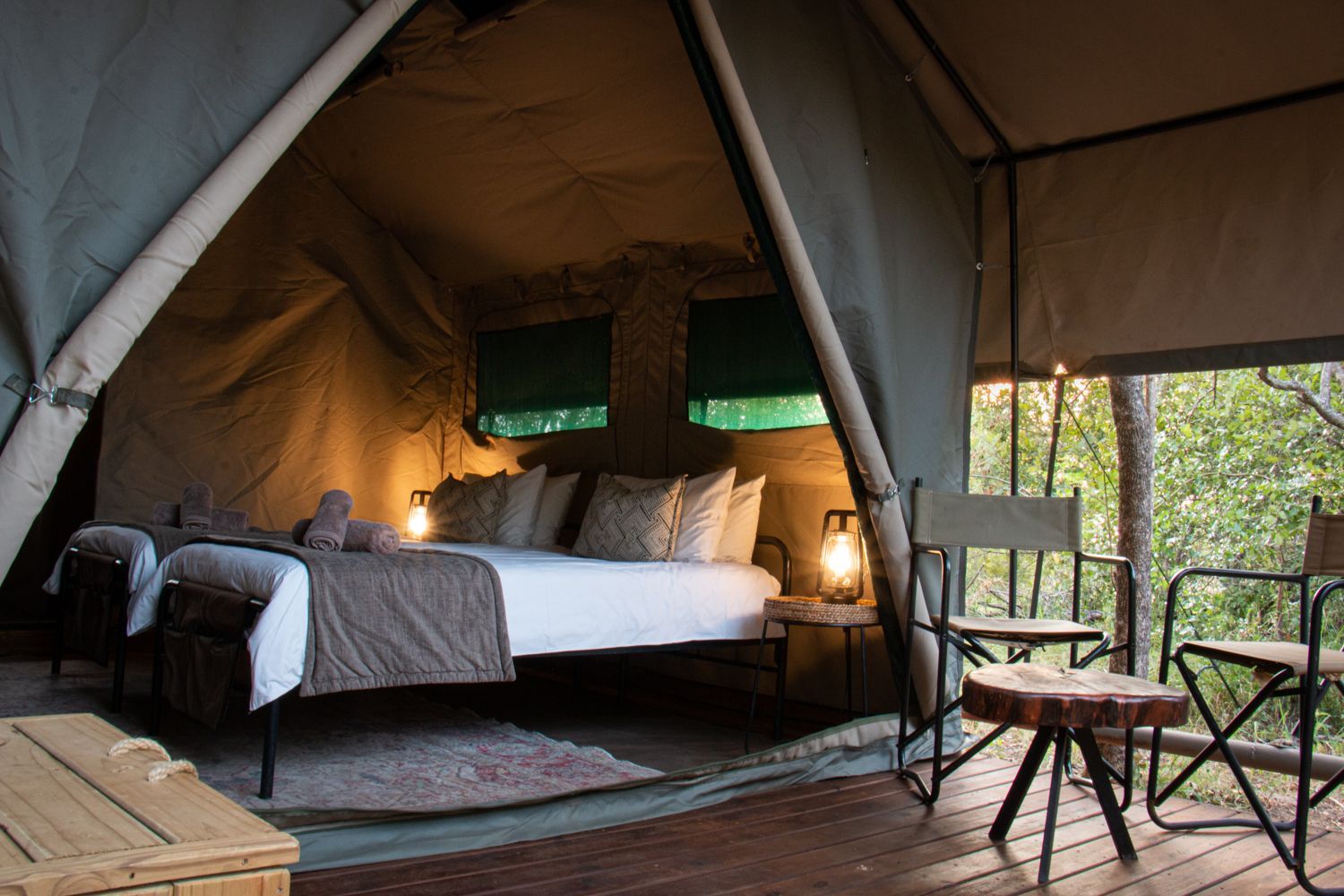
Location Within Greater Kruger Matters
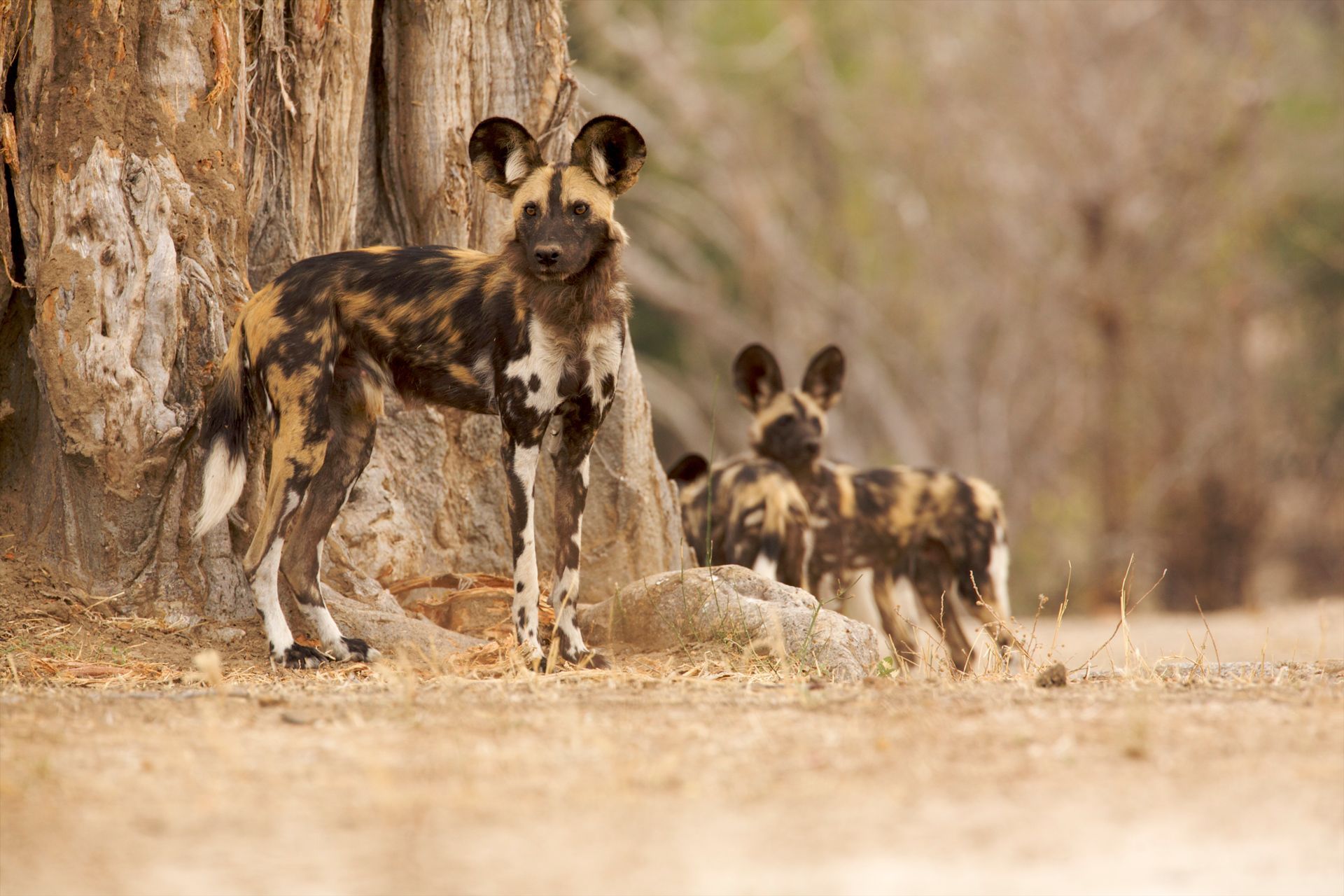
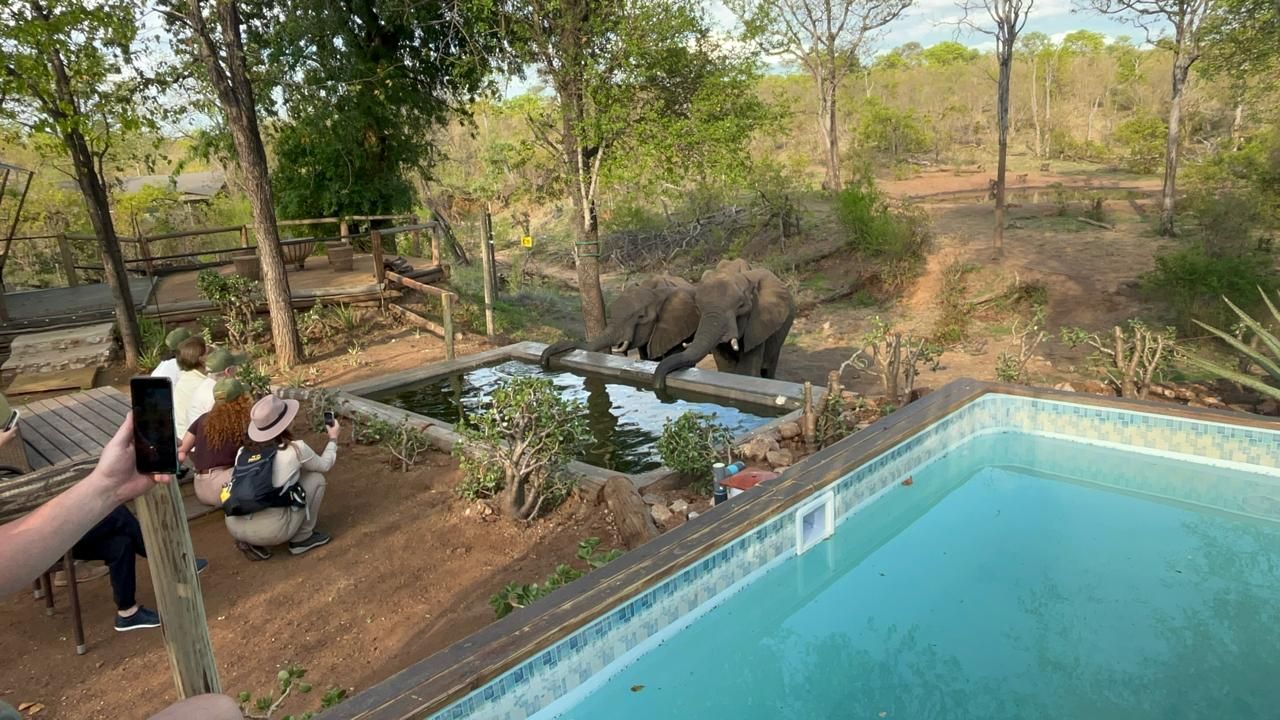
The Greater Kruger is not a single destination. It is a collection of private reserves, open ecosystems, and varied landscapes, from riverine systems and open grass plains to rocky outcrops and dense bushveld, each offering a different type of safari.
These landscapes influence not only the scenery, but how wildlife behaves and how sightings unfold. Some areas naturally concentrate animals around the Olifant River, while others require more tracking and interpretation. Combined with factors like off-road access and vehicle density, this determines whether a sighting feels crowded and predictable, or quiet, immersive, and entirely your own.
At Bundox Safari Co., safari planning is built around this diversity from the outset. Rather than selecting a single landscape, we design journeys that move through contrasting environments, from river systems to open plains and denser bush, each offering different wildlife dynamics and viewing conditions.
Multi-lodge safaris allow travellers to experience how the bush changes across terrain, not as a single snapshot, but as a connected, evolving system where each location adds a new layer to the overall understanding of the wilderness.
Lodge Size and Guest Experience
Lodge size has a direct impact on how a safari feels.
In larger lodges, the experience is often efficient and well-managed, but less flexible. Game drives follow fixed schedules, sightings can become shared events, and the overall rhythm is structured around volume.
Smaller lodges operate differently. With fewer guests, there is more flexibility in how time is spent in the field, more interaction with guides, and a stronger sense of continuity from one drive to the next. The experience becomes less transactional and more personal.
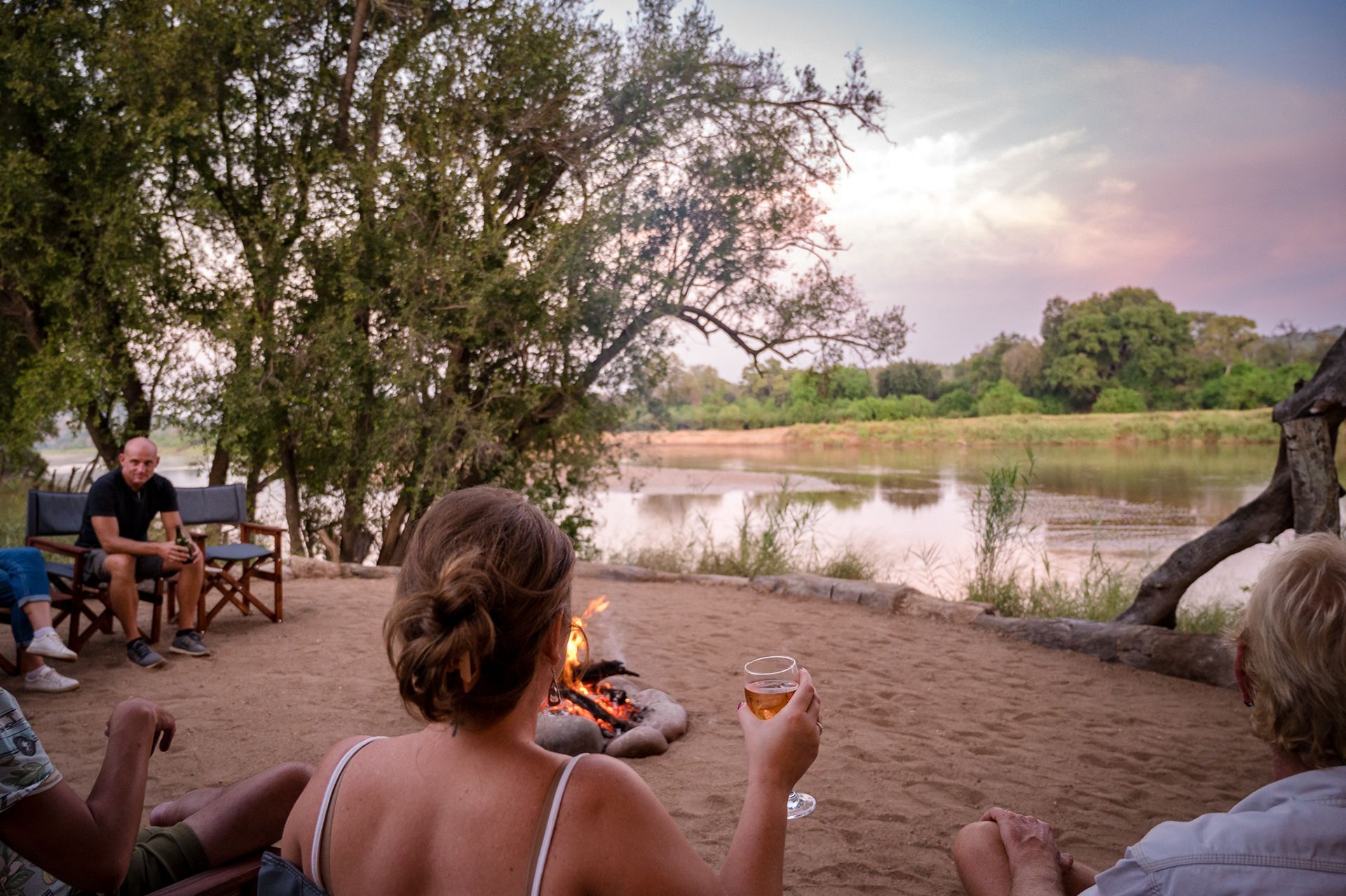
This is a consistent pattern we see across our safaris, guests value quiet environments, knowledgeable guides, and the feeling that the experience is shaped around them rather than processed through a system.
Budget vs Experience Trade-Off
Budget is often where decisions begin, but it should not be where they end.
There is a tendency to compare lodges based on price brackets alone. In reality, the more important distinction is how that price translates into time in the field, guiding quality, and overall experience design.
Lower-cost options may reduce guiding flexibility or compress the experience into shorter windows. Higher-end lodges typically extend time in the bush, reduce group sizes, and include additional layers such as conservation access or specialist activities.
At Bundox Safari Co., the focus is not on isolated upgrades, but on structuring the entire journey, combining accommodation, activities, and logistics into a seamless safari that builds from one experience to the next.
Activities and Guiding Quality
Guiding is the single most important variable in a safari.
Two identical sightings can feel entirely different depending on how they are interpreted. A strong guide does not just locate animals, they explain behaviour, anticipate movement, and build a narrative that unfolds over time.
This is where a safari shifts from viewing to understanding. Guests are not simply observing wildlife; they are guided through it, with context, continuity, and insight.
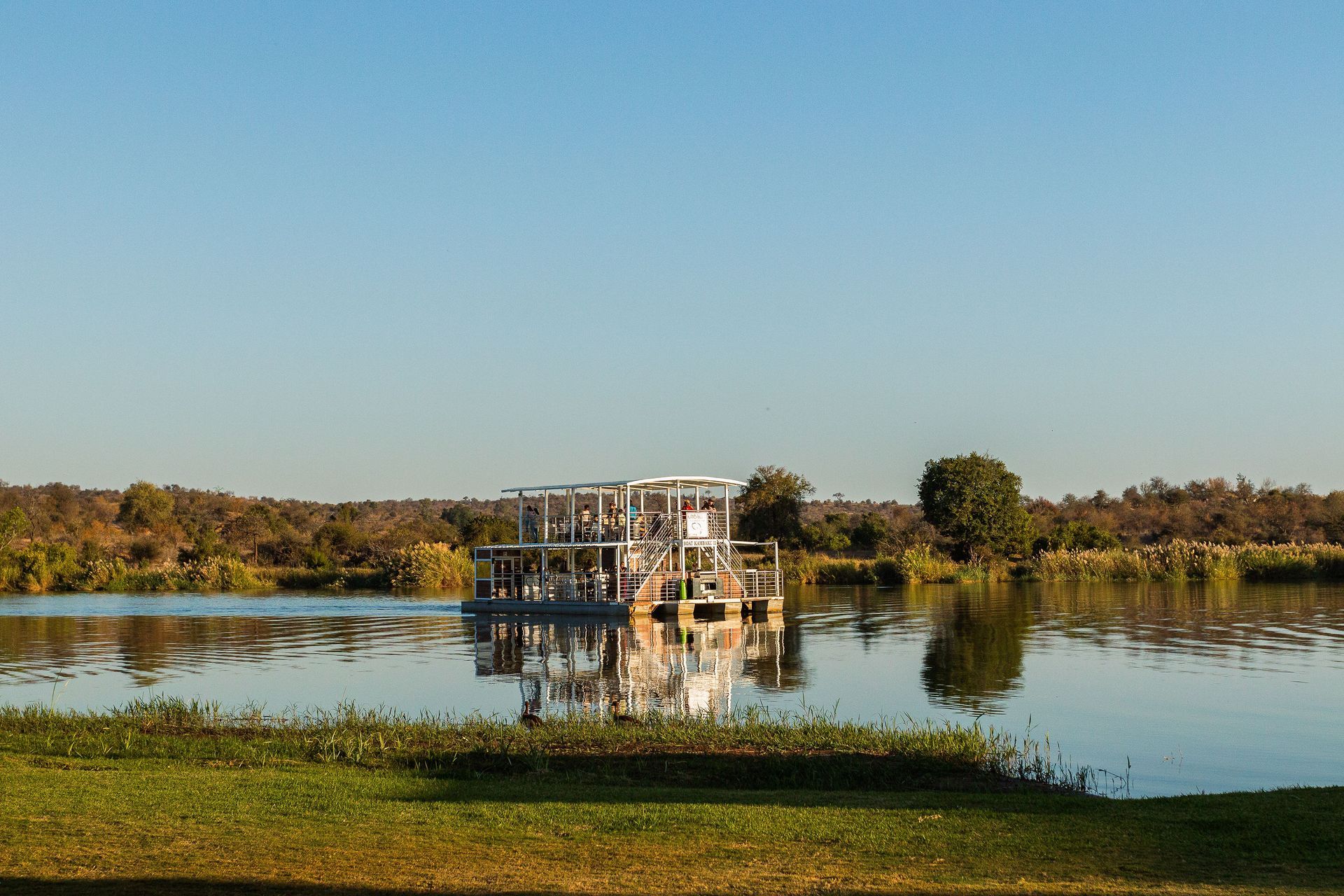
Well-designed safaris also extend beyond game drives. Walking safaris, river-based activities, and conservation experiences all contribute to a deeper, more layered understanding of the environment.
Matching a Lodge to Your Travel Style
There is no universal answer to where to stay in the Greater Kruger. The right lodge depends entirely on what you value.
Some travellers prioritise privacy and atmosphere, looking for quiet spaces and shared moments. Others want structure and simplicity, particularly on a first safari, where logistics and planning can feel overwhelming. More experienced travellers often look for depth, time, tracking, and a more technical understanding of the bush.
Our role at Bundox Safari Co. is to interpret these preferences and match them to the right combination of lodges, locations, and experiences, not just to book accommodation, but to design a safari that fits.
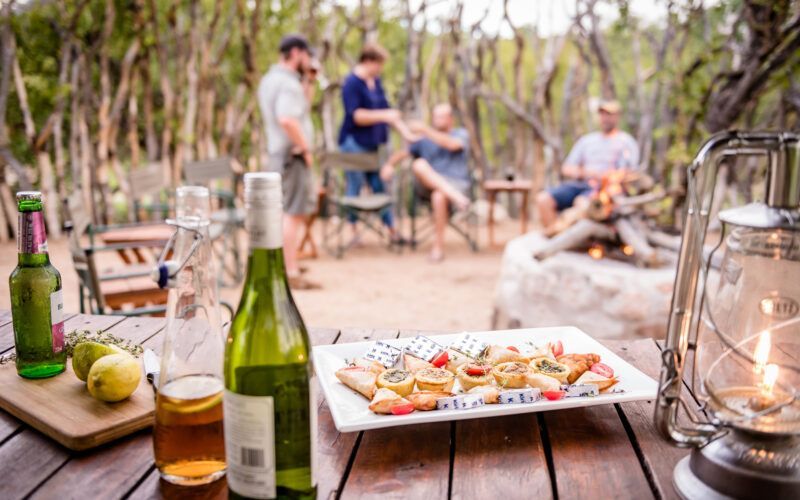
The Real Difference Between a Good Safari and a Great One
Choosing the right safari lodge is ultimately about choosing the right experience.
The difference is not always visible in photos or pricing. It sits in the structure behind the journey, how locations are selected, how guides operate, and how the experience unfolds over time.
At Bundox Safari Co., this is where the focus lies: building safaris that move beyond individual lodges into fully considered journeys.
To explore this approach in more detail, you can browse our Greater Kruger safari options, or explore our curated safari packages.
If you want a safari aligned to your travel style rather than a generic itinerary, the most effective next step is to
get in touch directly.
Frequently Asked Questions
How do I choose a safari lodge in South Africa?
Focus on how the safari is structured. At Bundox Safari Co., we guide travellers through this process by aligning location, lodge size, and guiding quality with the type of experience they want, rather than relying on price or star rating alone.
What is the best area to stay in Kruger?
Private areas within the Greater Kruger generally offer more exclusive and flexible safari conditions compared to public-access regions. This is why Bundox Safari Co. focuses on these areas, designing safaris that maximise access, movement, and quality of sightings.
What should I look for in a safari lodge?
Prioritise guiding quality, access to wildlife areas, and time spent in the field. These are the factors we prioritise at Bundox Safari Co. when recommending lodges, ensuring each element contributes to a cohesive safari experience.
How many lodges should I include in a safari?
For a typical 4–6 night safari, including two to three lodges often creates the right balance between variety and continuity. This is a core principle behind Bundox Safari Co. itineraries, where each location is selected to add a distinct layer to the overall journey.

Subscribe to Our Newsletter