One of the most common assumptions about a safari in South Africa is that Kruger National Park and private game reserves offer the same experience, just at different price points.
They don’t.
They share the same wilderness, the same wildlife, and often the same open ecosystem. But once you are actually on safari, the difference is immediate, not in what you see, but in how you experience it.
At Bundox Safari Co., this is something we design and manage every day. Our safaris across the Greater Kruger are built around experienced guides, deep knowledge of the land, and an understanding that a safari is not just about sightings, it is about reading the bush, following movement, and understanding behaviour over time. Whether travellers are planning a South Africa safari or choosing between structured safari packages, the decision between Kruger and private reserves defines how that experience unfolds.
What changes is not the wildlife.
What changes is the level of connection to it.
Key Takeaways
- Private reserves are guide-led and behaviour-focused, not road-based
- Wildlife encounters are built around tracking, not chance sightings
- Guides often know individual animals and movement patterns
- Kruger offers scale and freedom, but less depth in interpretation
- Private safaris deliver a more immersive, knowledge-driven experience
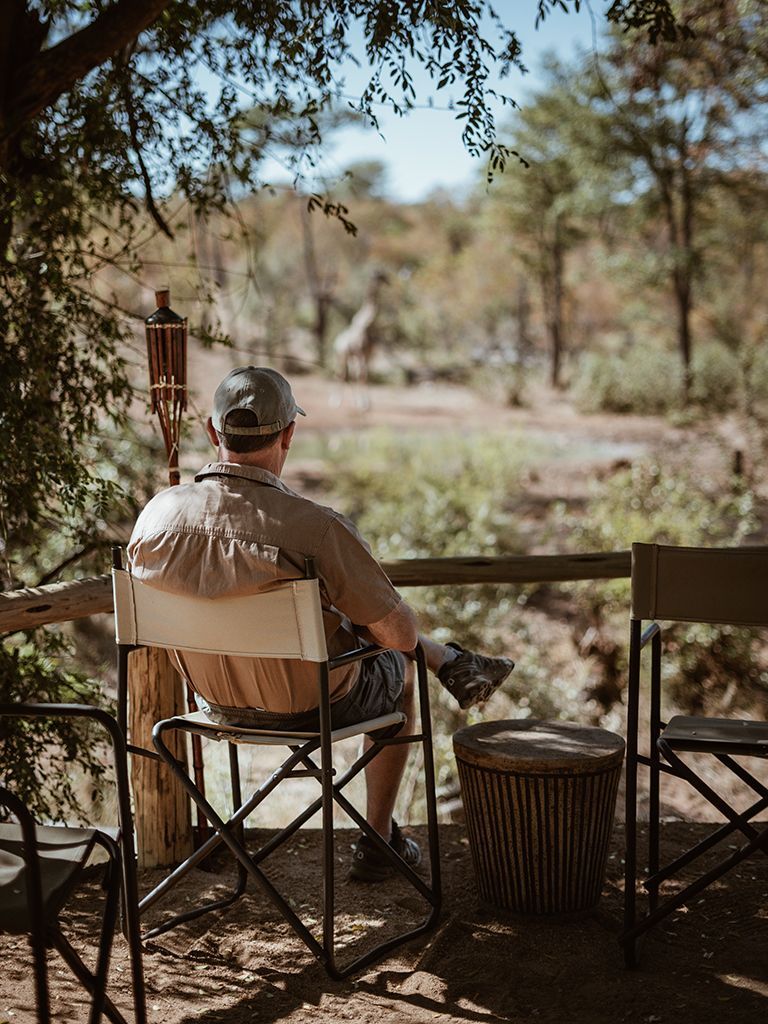
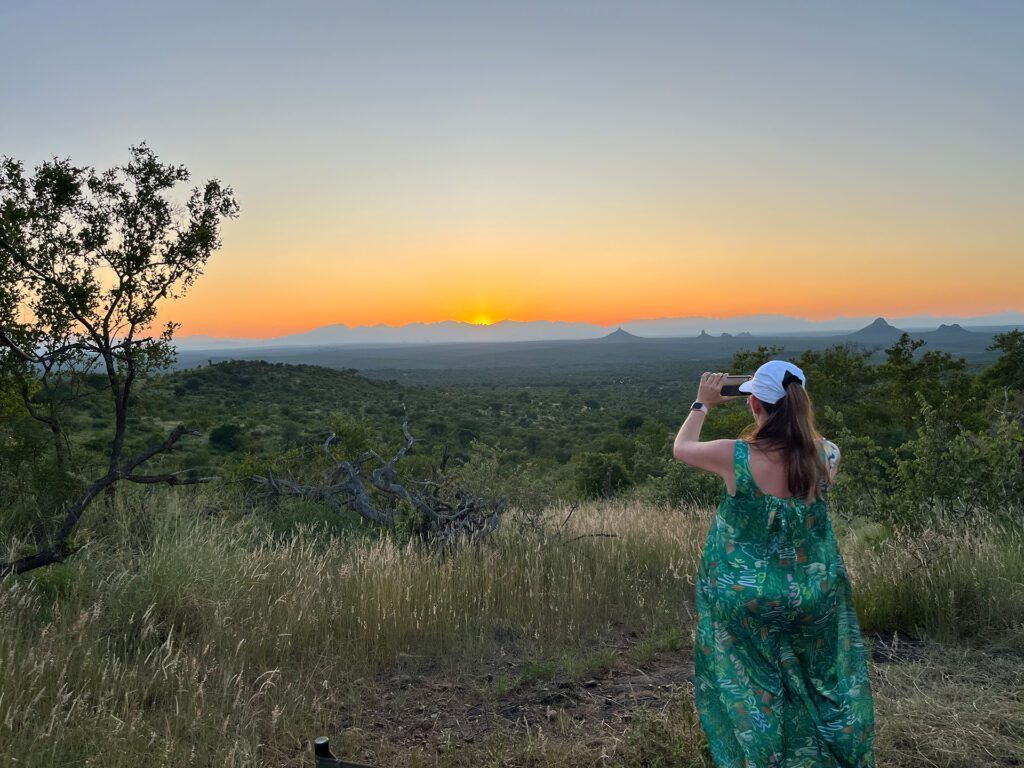
What Defines a Private Game Reserve
To understand the difference between Kruger National Park and private reserves, you first need to understand what the Greater Kruger is.
The Greater Kruger is a single, open ecosystem made up of the Kruger National Park and the surrounding private reserves, including areas such as the Olifants West Nature Reserve and the Balule Nature Reserve. There are no fences between them, which means wildlife moves freely across the entire system.
So the difference is not about where the animals are.
It is about how the land is accessed and managed.
- In Kruger National Park, access is public and road-based. Visitors move through the park on a fixed road network, either self-driving or with guides, and sightings happen within that structure.
- In the private reserves that form part of the Greater Kruger, access is restricted and fully guided. Entry is limited to lodges and operators, and activity in the field is controlled.
This allows private safaris to be built around tracking, positioning, and time spent with wildlife, rather than simply moving between sightings. Because guides operate in the same traversing areas daily, they begin to build a detailed understanding of the landscape and its animals. Not just species, but individuals, how certain lions move through territory, where specific leopards are likely to be found, how herds shift with water and season.
This is where the experience changes.
A safari in a private reserve becomes less about spotting animals and more about following stories in the bush, understanding behaviour, anticipating movement, and seeing how everything connects over time.
You are not just seeing wildlife.
You are being guided into how that ecosystem actually works.
Key Differences in Game Drive Experience
In Kruger National Park, especially on a self-drive safari, the experience is largely observational. You follow the road network, and sightings happen as you encounter them. For many travellers, this becomes about what can be seen within a limited time.
In private reserves, the structure changes completely.
Game drives are led by professional guides whose role is not just to find animals, but to interpret them. A track in the sand, a distant alarm call, or a shift in bird behaviour can shape the direction of the drive.
At Bundox, this is where the safari becomes something deeper. A sighting is not rushed. It is followed, understood, and allowed to unfold. Guests are brought into that process, learning how to read tracks, how to anticipate movement, how to recognise patterns.
Many of our Greater Kruger safari packages are intentionally structured to allow this continuity, so that each drive builds on the last rather than starting from zero.
Off-Road Driving and Wildlife Access
Off-road driving is often described as a technical difference, but its real impact is experiential.
- In Kruger, staying on the road means you wait for wildlife to appear within reach.
- In private reserves, guides can follow movement into the bush when appropriate, staying with an animal or group over time. This allows something far more valuable than proximity, continuity. You may follow a leopard through dense vegetation, observe how it hunts, or remain with a herd long enough to see behaviour shift. These are not isolated moments, but sequences.
This is where a private safari experience in the Greater Kruger moves beyond sightings and into understanding wildlife as part of a living system.
Vehicle Density and Sighting Quality
The number of vehicles at a sighting changes not only what you see, but how you experience it.
- In Kruger National Park, sightings can become crowded. Vehicles arrive, reposition, and leave frequently. With no central coordination, cars can move in front of one another to get a better view, and the experience can quickly feel fragmented and, at times, overwhelming, especially for first-time safari travellers.
- In private reserves, the structure is deliberately controlled. Sightings are managed, and in most cases, a maximum of three vehicles are permitted at a sighting at any one time. Guides communicate with each other to manage positioning, timing, and rotation, ensuring that each vehicle has space and a clear view without disrupting the animals.
At Bundox, this creates a fundamentally different experience in the field. There is no competition for position, no urgency to move on, and no pressure from surrounding vehicles. Instead, guests are given the time and space to observe behaviour as it unfolds.
Across our Greater Kruger safari, this approach ensures that sightings remain calm, structured, and immersive, allowing for a deeper connection to both the wildlife and the environment.
Which Option Is Right for Your Safari
The choice between Kruger and private reserves is not about which is better. It is about what kind of safari you want to have.
- Kruger National Park offers freedom, scale, and accessibility. It works well for travellers who enjoy independence and exploration.
- Private reserves offer something different. They are built around guides, knowledge, and continuity. The experience is slower, more intentional, and more immersive.
For travellers who want to understand wildlife, not just see it, private reserves tend to deliver a far richer experience.
This is especially true for first-time visitors, where having a guide transforms what might otherwise feel overwhelming into something structured and meaningful.
At Bundox Safari Co., every safari is planned with this in mind, not just where you go, but how the experience is shaped across each day, each drive, and
each moment in the field.
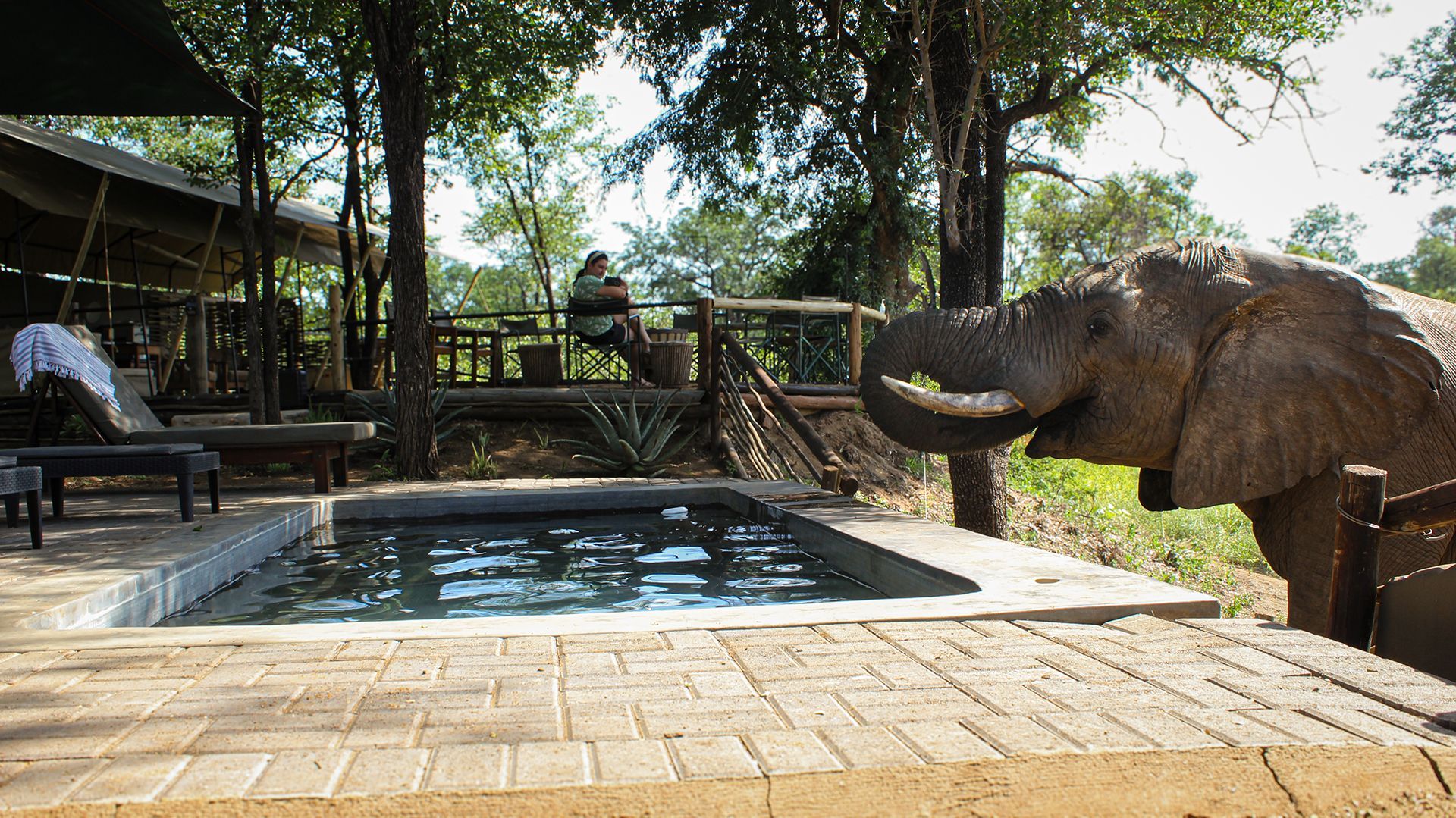
Planning Your Safari
A safari is not defined by where you go, but by how it is experienced.
If you are deciding between Kruger and private reserves, the most effective approach is to look beyond location and focus on how the safari is structured, guided, and delivered.
You can explore our
safari packages or
contact Bundox Safari Co.to plan a safari that is not just about sightings, but about connection, understanding, and time well spent in the wild.
Frequently Asked Questions
What is the difference between Kruger and private reserves?
Kruger is road-based and often self-driven, while private reserves are guided experiences focused on tracking, behaviour, and structured wildlife encounters.
Are private game reserves better than Kruger National Park?
They offer a more immersive and knowledge-driven experience, particularly for travellers seeking depth rather than volume.
Can you see more animals in private reserves?
You are not necessarily seeing more animals, but you are seeing them more meaningfully, with longer and more detailed encounters.
Is a private safari worth the cost?
For travellers who value expert guiding, uninterrupted sightings, and a deeper understanding of wildlife, it typically offers greater overall value.
Which is better for first-time safari travellers?
Private reserves are generally better suited, as guides provide context, structure, and insight that elevate the entire experience.
Subscribe to Our Newsletter