Planning a safari in South Africa starts with one important decision: choosing the right safari region. For many travellers, the Greater Kruger is the natural starting point. At Bundox Safari Co., we help travellers move from broad safari ideas into structured journeys, using carefully designed safari packages that bring together the right lodges, transfers, guiding, activities, and timing.
A safari is not only about booking a lodge. It is about understanding how each part of the journey connects. The area you choose affects your wildlife experience. The number of nights affects your pace. The lodge style affects your comfort. The transfer plan affects how smooth the journey feels. And the way each day is structured affects how much of the bush you truly get to experience.
This safari planning guide is written for travellers who are beginning to ask practical questions like: how to plan a South Africa safari itineraries, how long to stay, where to go, what to include, and when to speak to a safari specialist.
South Africa offers several safari regions, but the Greater Kruger remains one of the strongest choices for travellers who want a well-balanced safari with strong wildlife potential, established access, quality guiding, and a wide range of safari styles.
Key Takeaways
- A South Africa safari should begin with the right region, not only the right lodge.
- The Greater Kruger is one of the strongest safari areas for first-time and repeat travellers.
- A good Kruger safari itinerary depends on duration, pacing, transfers, guiding quality, and reserve access.
- Safari packages can simplify the booking process by combining accommodation, transfers, meals, activities, and support.
- Working with a safari specialist helps travellers avoid disconnected itineraries and unnecessary logistical complications.
Choosing the Right Safari Region
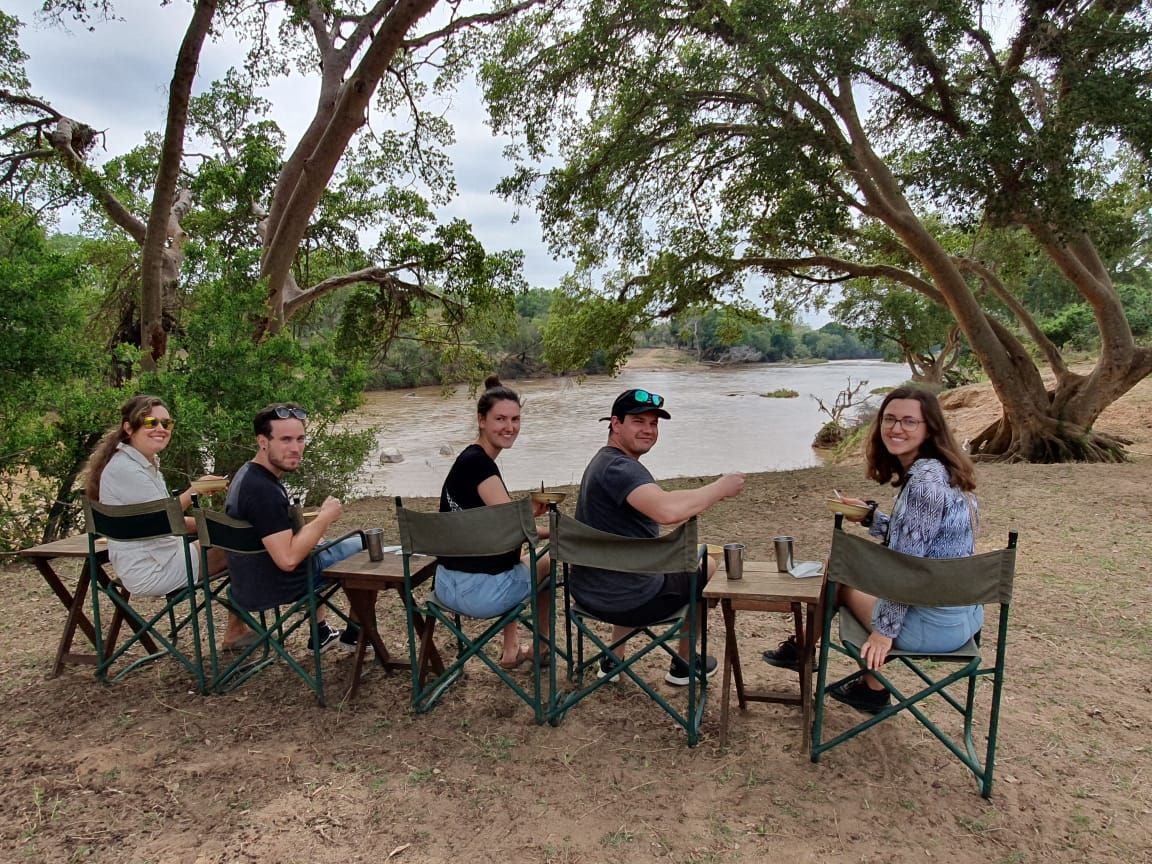
The first step in an African safari planning is choosing where your safari should happen. South Africa has several safari regions, but they are not all the same. Each region offers a different balance of access, wildlife density, lodge style, guiding structure, and overall safari rhythm.
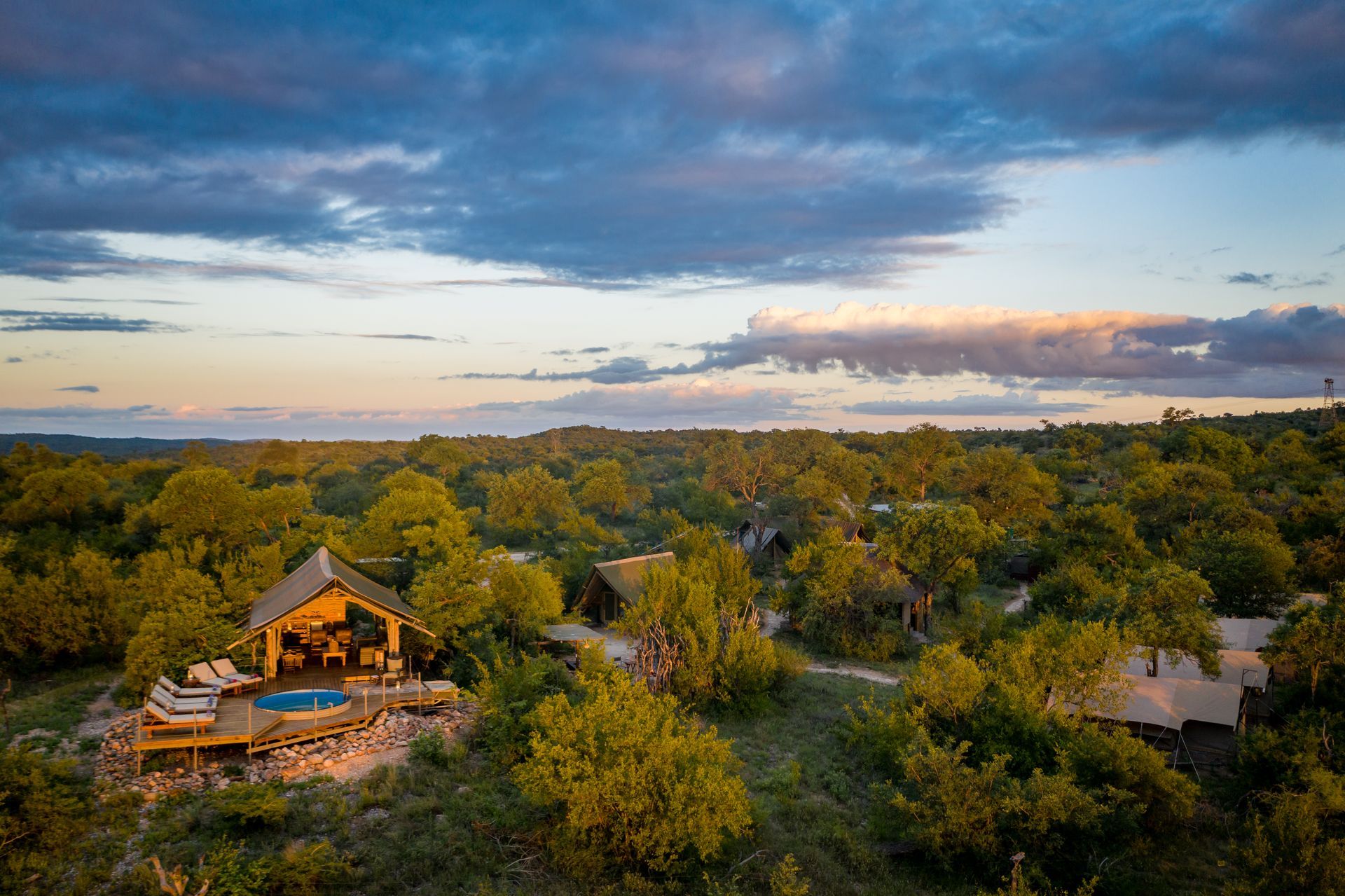
For travellers planning a first safari in South Africa, the Greater Kruger region is often the most practical and rewarding choice. It sits within one of Africa’s most important wildlife ecosystems and gives travellers access to private reserves, strong guiding, Big Five territory, and a wide range of safari accommodation styles.
The Greater Kruger is especially valuable because it allows a safari to be built with structure. Travellers can fly into the region, move between carefully selected properties, include guided game drives, add conservation-led experiences, and still keep the journey connected. This is what separates a planned safari from a simple lodge booking.
A common mistake is choosing a safari based only on a beautiful lodge image. A lodge may look appealing, but the surrounding reserve, guiding model, access rules, transfer time, and activity structure all shape the actual experience. In the Greater Kruger, these details matter.
Some areas are better suited to travellers who want regular Big Five sightings. Some work well for quieter, more intimate safari experiences.
This is where Bundox’s planning approach becomes important. The aim is not to push travellers toward the most expensive lodge or the most obvious itinerary. The aim is to understand what kind of safari will actually work for the traveller, then build the route around that.
Deciding on Duration and Budget
Once the region is clear, the next step is deciding how long to stay. Duration has a major impact on the quality of a safari. It affects how much time you spend in the bush, how many game drives you can enjoy, how relaxed the journey feels, and whether there is room to include more than one area.
A two-night safari can work, but it is short. It usually gives travellers a brief introduction to the bush, with limited time for variation. If the weather changes, wildlife activities are slower, or arrival and departure times are tight, the experience can feel compressed.
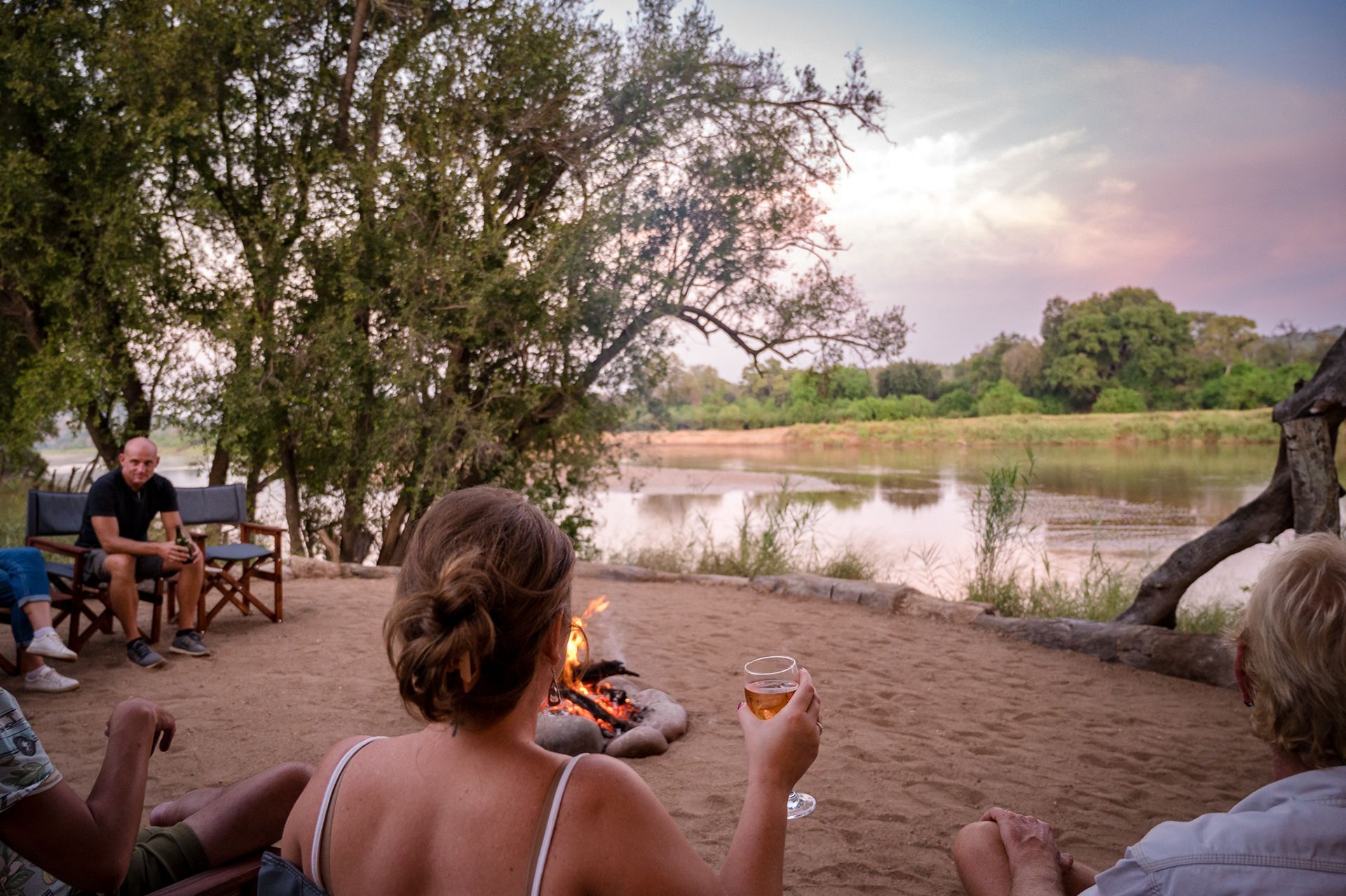
A three-night safari is often a better entry point. It gives travellers more time to settle in, join several game drives, and experience the rhythm of early mornings, quiet afternoons, and evenings around the fire.
A four- or five-night safari gives the journey more depth. This is where a Kruger safari itinerary starts to feel more complete. There is more time for wildlife patterns to unfold, more opportunity for different sightings, and more space to enjoy the lodge without rushing from one activity to the next.
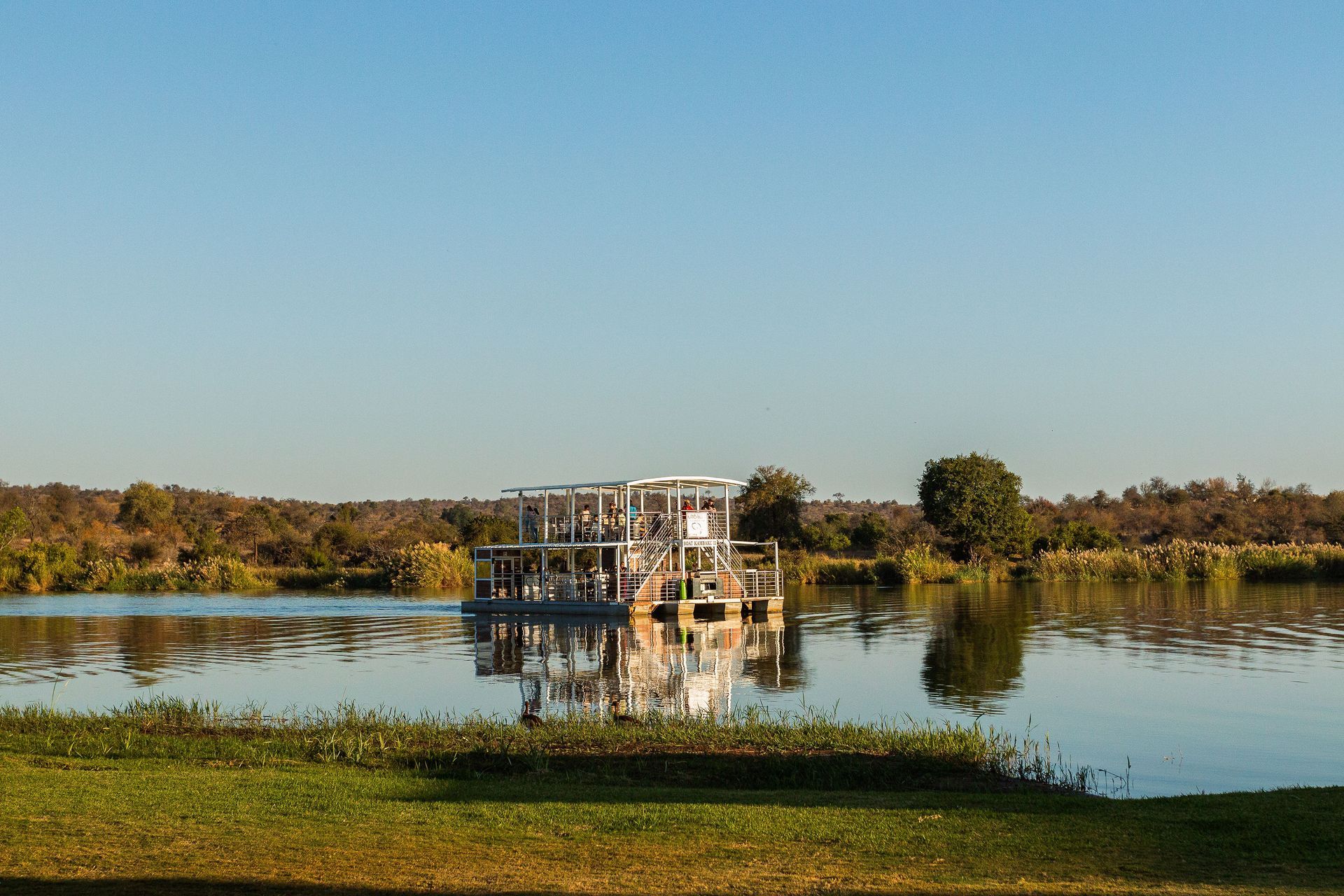
A six-night or longer safari opens the door to a more layered journey. This can include multiple stays, different landscapes, conservation experiences, river-based activities, scenic touring, and a stronger sense of progression.
Bundox’s safari packages are useful in this space because they give travellers a structured starting point instead of asking them to build everything from scratch.
Budget should be considered alongside duration. A safari budget is shaped by more than the nightly rate. It include accommodation, meals, drinks, transfers, game drives, conservation fees, park fees, private guiding, inter-camp transfers, and additional experiences.
This is why comparing safari options by price alone can be misleading. One package may appear more expensive at first, but include more of the journey. Another may look affordable, but leave travellers to add transfers, park fees, activities, or logistics later.
The better question is not only: “How much does it cost?”
The better question is: “What does this safari include, and does the structure make sense?”
Selecting Lodges and Experiences
Lodge selection is one of the most visible parts of safari planning, but it should not happen too early. Before choosing a lodge, travellers should understand what kind of safari they want.
Some travellers want a classic tented camp. Some want comfort and privacy. Some want a conservation-focused journey. Some want strong wildlife viewing with fewer distractions. Some want a romantic safari. Others want a safari that includes scenery, activity variation, and time to slow down.
The right lodge depends on the full picture.
In the Greater Kruger, the experience can change significantly depending on where you stay. Private reserves offer a more exclusive safari feel. Smaller camps feel more personal.
A strong safari planning guide, look beyond the lodge. The experiences around the stay are just as important. A South Africa safari can include morning and afternoon game drives, guided walks, conservation conversations, river experiences, scenic touring, bush meals, photography opportunities, and time in quieter wilderness settings.
The key is balance.
Too many activities can make the itinerary feel rushed. Too few can make the safari feel flat. The best itineraries have a natural rhythm. They give travellers enough structure to experience the bush properly, but enough space to absorb where they are.
Bundox plans safari journeys with this rhythm in mind. The purpose is not to add activities for the sake of filling time. The purpose is to shape a journey that feels complete from arrival to departure.
Travellers who are still deciding what style of safari suits them can begin with the Bundox South Africa safari page or explore existing safari packages to understand how different routes and stays can be structured.
Planning Transfers and Logistics
Transfers are often overlooked during the safari booking process, but they can make or break the experience.
A safari is not like a city hotel stay, where travellers can simply arrive and arrange everything locally. Safari areas require timing. Flights, road transfers, reserve gates, lodge check-in times, activity schedules, luggage, and departure plans all need to work together.
In the Greater Kruger, access is one of the region’s strengths. Hoedspruit and the surrounding Lowveld make it possible to create well-connected safari itineraries without losing unnecessary time to complicated travel days. This is one reason the region works so well for South Africa safari planning.
However, logistics still need attention. Travellers may need airport transfers, lodge-to-lodge transfers, reserve access arrangements, and timing coordination between activities. If the itinerary includes more than one property, the route must be planned carefully so the transfers between lodges adds to the journey instead of disrupting it.
A well-structured Kruger safari itinerary should feel smooth. Travellers should know where they are going, who is collecting them, what is included, and how each part connects. The logistics should support the safari, not distract from it.
This is also where safari packages are helpful. When accommodation, transfers, activities, and key inclusions are planned together, the traveller does not have to manage each moving part separately. The result is a journey that feels easier, clearer, and more professionally handled.
Working with a Safari Specialist
There is a point in the safari planning process where online research becomes overwhelming. Travellers may compare lodges, packages, reserves, rates, reviews, activities, and destinations, but still not know which option is right.
This is normal.
Safari travel has many layers. A lodge can be beautiful but poorly suited to the traveller’s expectations. A package can look simple but exclude important logistics. A region can be famous but not ideal for the kind of journey the traveller wants.
Working with a safari specialist helps turn scattered information into a clear plan.
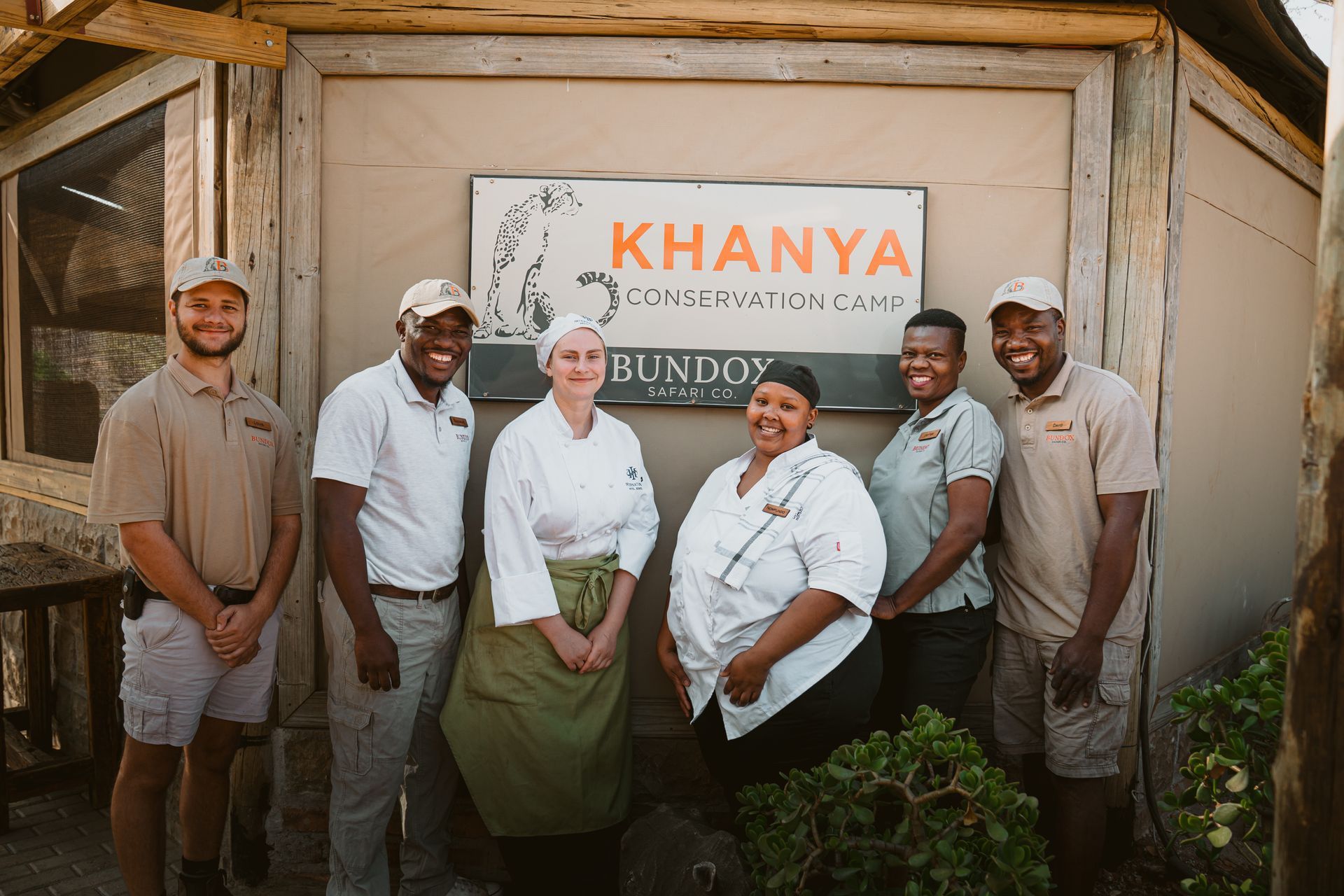
At Bundox, we help travellers understand what will work before they commit. That includes choosing the right Greater Kruger area, deciding how many nights are needed, selecting a lodge style, understanding what is included, and making sure the transfers and activities fit together.
This is not about making safari planning complicated. It is about preventing the wrong kind of simplicity.
A safari should not be reduced to “choose a lodge and book dates.” That may work for a basic hotel stay, but it does not reflect how safari travel actually works. The quality of the experience comes from the way the whole journey is built.
For some travellers, that may mean a shorter Greater Kruger safari with strong guiding and simple transfers. For others, it may mean a longer journey across different properties, with conservation experiences, scenic touring, and more variation. For others, it may mean beginning in South Africa and later extending into Botswana.
The role of a safari specialist is to help travellers understand these choices before they book.
If you are starting to plan, you can explore Bundox’s
South Africa safari options, compare structured
safari packages, or speak to the team directly through the
contact page.
Frequently Asked Questions
How do you plan a safari in South Africa?
Start by choosing the right safari region. For many travellers, the Greater Kruger is the best starting point because it offers strong wildlife potential, good access, established safari infrastructure, and a wide range of lodge styles. From there, decide how many nights you want, what kind of lodge experience suits you, what your budget allows, and how transfers will work. A good safari should be planned as a complete journey, not only as accommodation.
When should I book a safari?
It is best to book a safari several months in advance, especially if you are travelling during peak periods, school holidays, or popular safari seasons. Booking earlier gives you better lodge availability, stronger itinerary options, and more time to arrange flights, transfers, and any additional experiences.
How much does a safari cost?
The cost of a safari depends on the region, number of nights, lodge category, season, transfers, activities, and inclusions. In South Africa, the Greater Kruger offers a wide range of options, from more accessible safari stays to higher-end private reserve experiences. Rather than looking only at the nightly rate, travellers should look carefully at what is included, such as meals, game drives, transfers, conservation fees, and guided activities.
What is included in a safari package?
In most of Bundox' safari package include accommodation, meals, selected drinks, airport transfers, inter-lodge transfers, game drives, conservation fees, park fees, and selected activities. Some packages may also include scenic touring, river experiences, conservation activities, or private arrangements. Always check the inclusions before booking so you understand what is covered and what may need to be added separately.
Should I use a travel agent for safari?
Yes, using a safari specialist or travel agent, like Bundox Safari Co, is useful, especially if you are planning a first safari, a Greater Kruger itinerary, a multi-lodge journey, or a South Africa safari with additional destinations. A specialist helps you choose the right region, avoid poor routing, understand inclusions, and build an itinerary that works on the ground. Safari travel has too many moving parts to rely only on lodge images and online rates.

Subscribe to Our Newsletter