The difference between a luxury safari experience and a standard safari is often misinterpreted.
It is not primarily about accommodation level or price band. It is about access, control, and execution.
At Bundox Safari Co., safari design is treated as a technical process. Across the Greater Kruger, and extending into the Okavango Delta in Botswana, itineraries are structured around wildlife density, seasonal movement, and guiding capability. Travellers can assess real-time planning options through live availability or initiate a tailored itinerary via the contact team.
A safari is not defined by where you sleep.
It is defined by what access you have when you are in the field.
Key Takeaways
- Luxury safari is defined by operational access and guiding, not visual finish
- Private reserves enable off-road tracking and extended sightings
- Lodge quality supports the experience, but does not determine it
- Standard safaris operate within fixed systems and shared access
- The highest-performing safaris are designed, not selected
What Defines a Luxury Safari Experience
A luxury safari is characterised by the removal of constraints.
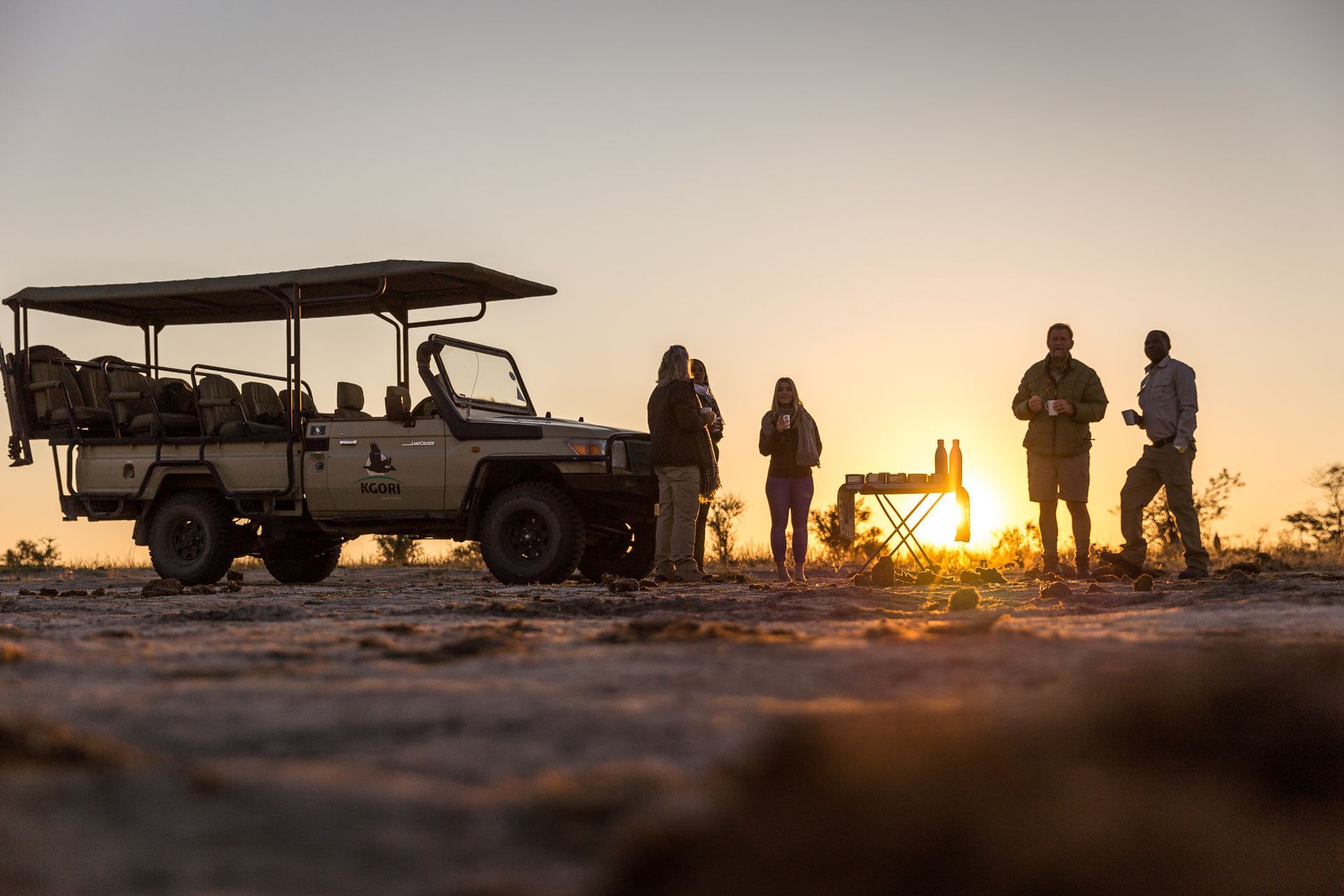
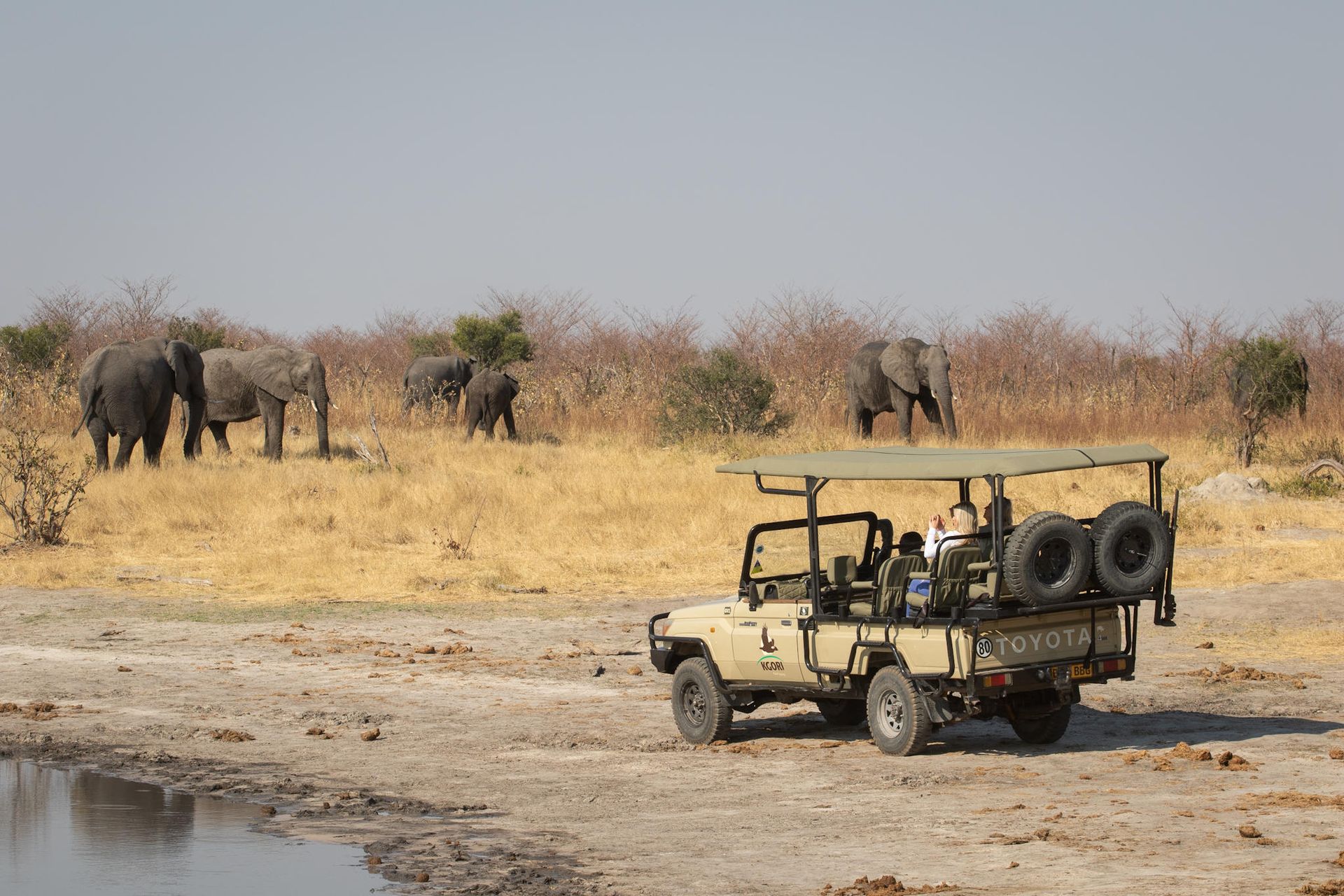
In the Greater Kruger ecosystem, this translates into private concession access where vehicles are limited and guides are permitted to leave designated roads. This single factor changes the structure of every game drive.
Instead of moving between sightings, the experience becomes continuous.
Rather than treating drives as scheduled activities, time in the field is treated as the primary asset. Positioning, timing, and terrain selection are managed deliberately to maximise encounter quality.
This is the difference between observing wildlife and working within its environment.
Differences in Lodges and Accommodation
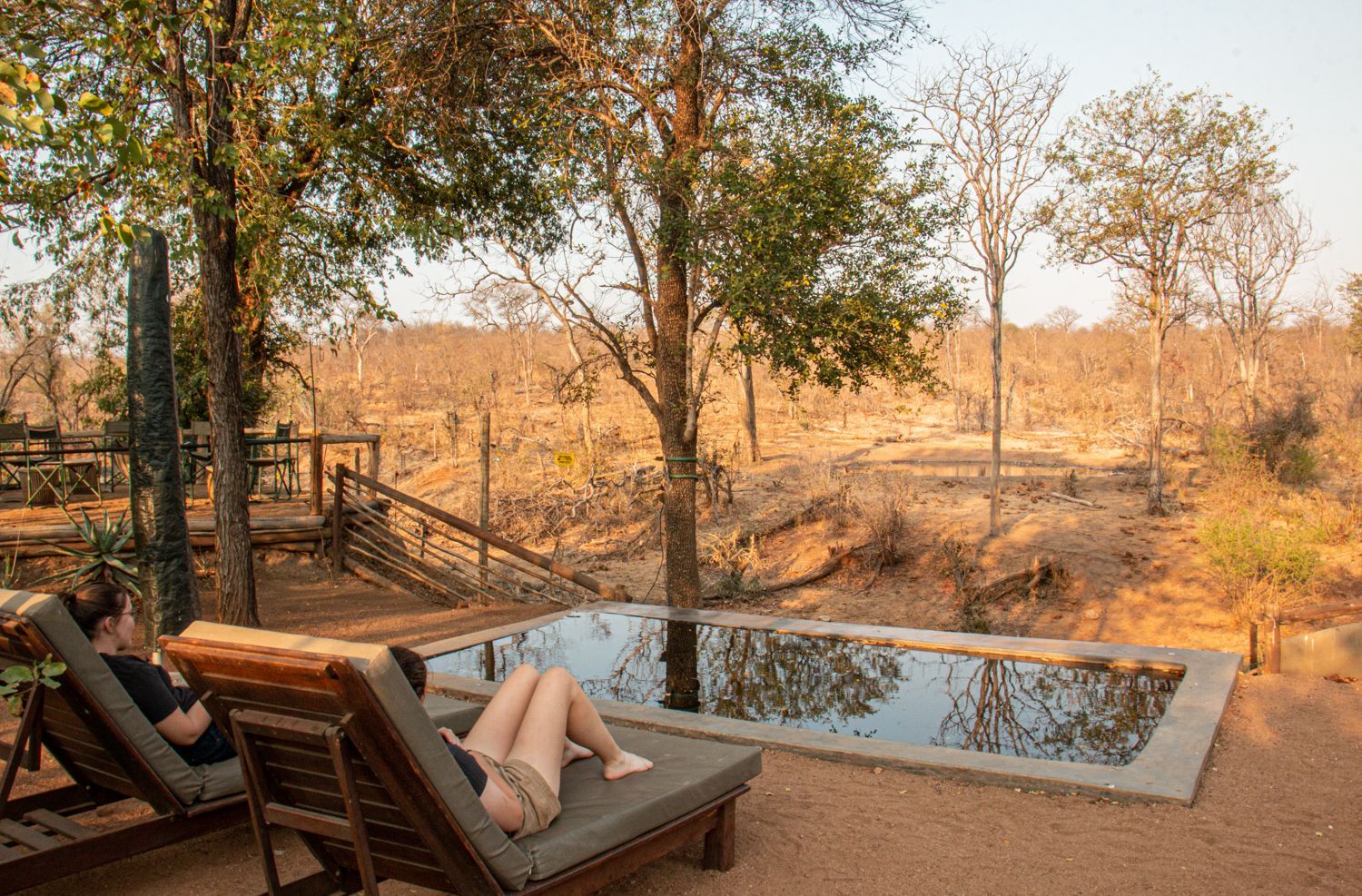
Accommodation is often used as a benchmark, but it is a secondary layer.
A high-end lodge does not compensate for poor location or restricted access. Conversely, a well-positioned camp within an active wildlife area will consistently deliver stronger outcomes.
Bundox structures safari packages to avoid static experiences. Movement between environments, demonstrated in journeys such as Live Wild Plus, ensures exposure to different terrains, densities, and wildlife patterns across the Greater Kruger.
The result is not simply comfort.
It is progression within the experience.
Guide Quality and Personalisation
Guiding determines the depth of a safari.
A standard safari typically focuses on locating animals. A luxury safari focuses on interpreting behaviour and building continuity between sightings.
This requires:
- Spatial awareness of territories
- Understanding of animal movement patterns
- The ability to anticipate rather than react
At Bundox Safari Co, guiding is the central product layer. This is reflected consistently in guest feedback, where knowledgeable guides and personal engagement are identified as defining factors of the experience.
Personalisation is not added.
It emerges from how the safari is guided.
Privacy, Space, and Atmosphere
Safari environments operate on density.
Private reserve systems limit vehicle numbers and allow flexible sighting duration. This creates conditions where wildlife behaviour can be followed without interruption.
Public-access systems, by contrast, operate on shared infrastructure. Sightings are time-bound, and vehicle presence is variable.
This is not a minor distinction. It directly affects:
- Time at sightings
- Behavioural observation
- Overall experience continuity
Bundox Safari Co. designs safari packages by prioritizing low-density environments, ensuring that access is controlled and the experience remains uninterrupted.
Is Luxury Safari Worth the Investment
The value of a safari is determined by its output, not its classification.
A standard safari can deliver sightings and a structured introduction to the environment. For certain travellers, this is sufficient.
A luxury safari delivers:
- Greater control over time in the field
- Higher-quality interpretation
- More consistent encounter quality
For travellers committing to long-haul travel into Southern Africa, these variables significantly affect the overall outcome.
Bundox operates across the full safari value chain, planning, structuring, and execution, ensuring that each itinerary is aligned across location, guiding, and logistics. This applies both within
South Africa and when extending into ecosystems such as
Botswana, where water-based safaris introduce a fundamentally different operating environment.

Structuring Your Safari the Right Way
Safari quality is not determined by category.
It is determined by how the experience is engineered.
Where you go, how you move, and who guides you will always outweigh where you stay.
For travellers evaluating safari options, the most effective next step is to move beyond comparison and into structure.
You can review current safari options and seasonal positioning through Bundox availability, or engage directly with the team to build a tailored itinerary via the Bundox contact page.
That is where a safari shifts from a booking to a designed experience.
Frequently Asked Questions
What is considered a luxury safari?
A safari defined by private access, expert guiding, and controlled guest density, rather than accommodation level alone.
What is the difference between luxury and budget safari?
Luxury safaris prioritise flexibility and depth, while budget safaris operate within fixed routes and shared access.
How much does a luxury safari cost?
Costs vary based on structure, season, and location. The determining factor is the level of access and expertise included.
Is a luxury safari worth it?
For travellers seeking a controlled, high-quality experience, the difference is operationally significant.
What do luxury safari lodges include?
Typically accommodation, meals, guided activities, and additional experiences aligned with the overall itinerary.

Subscribe to Our Newsletter