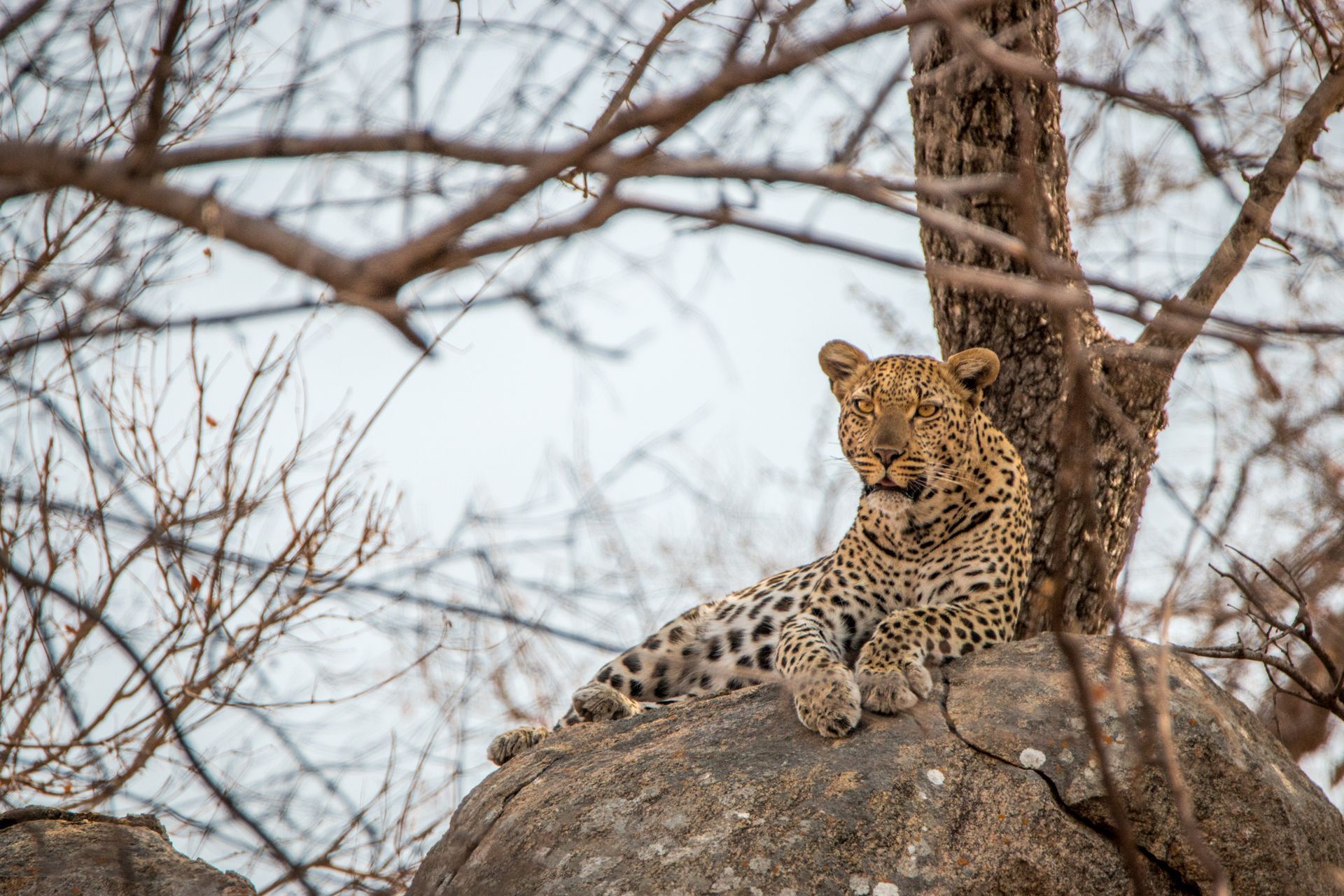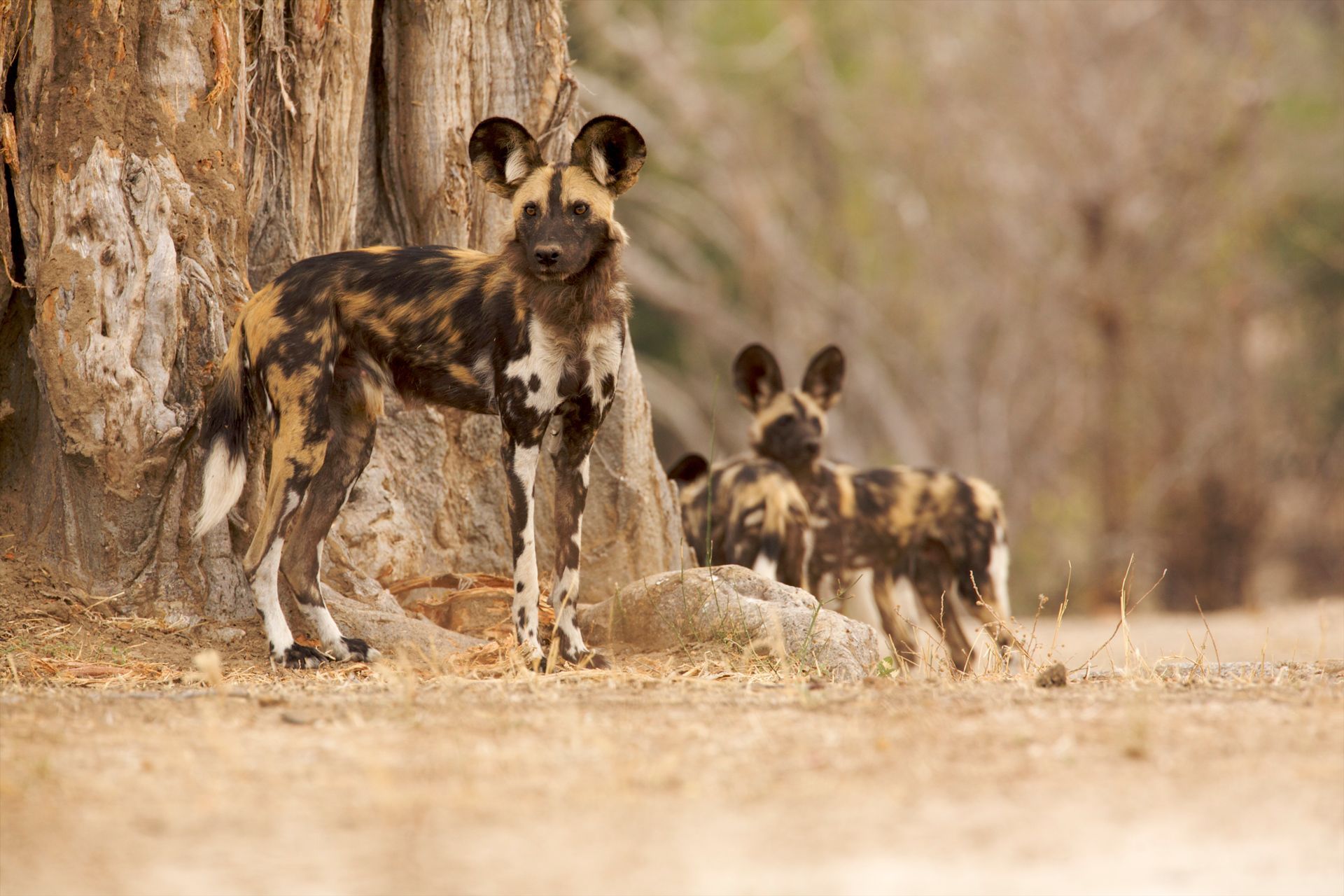
For travellers planning a Safari in Africa, one of the most common and valid questions remains: is safari safe in South Africa?
The short answer is yes, safari travel safety in South Africa is high when experiences are structured, guided, and operated within established ecosystems like the Greater Kruger.
At Bundox Safari Co., every Greater Kruger safari experience and our safari packages are designed around controlled environments, trained safari guides, and strict operational protocols. This also includes our multi-lodge journeys, where logistics, transfers, and daily activities are fully managed to reduce risk while maintaining immersion.
Many travellers also ask: is it safe to go on safari in South Africa, or what dangers are there on safari in Africa? The answer lies in understanding how safari safety actually works. This is not unmanaged wilderness, it is a guided safari experience operating within regulated game reserves, with systems designed to protect both guests and wildlife.
Key Takeaways
- Safari in South Africa is safe when conducted through professional operators and private game reserves
- Kruger safari safety standards are among the highest in Africa
- Safari travel safety depends on following guide instructions and lodge protocols
- Most safari risks are linked to human behaviour, not wildlife unpredictability
- Structured safari safety tips significantly reduce risk
- Guided safari experiences provide a controlled way to experience wild environments
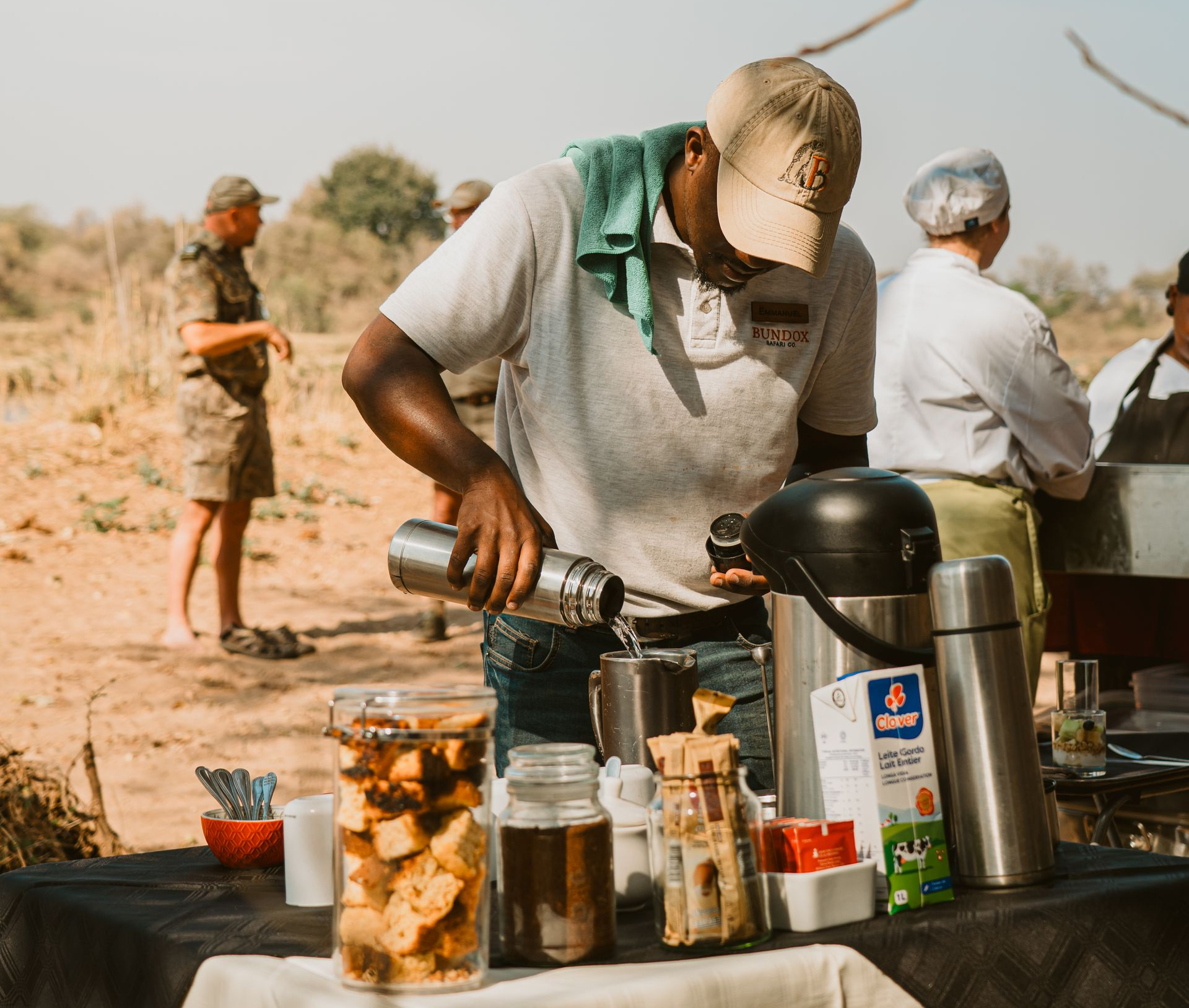
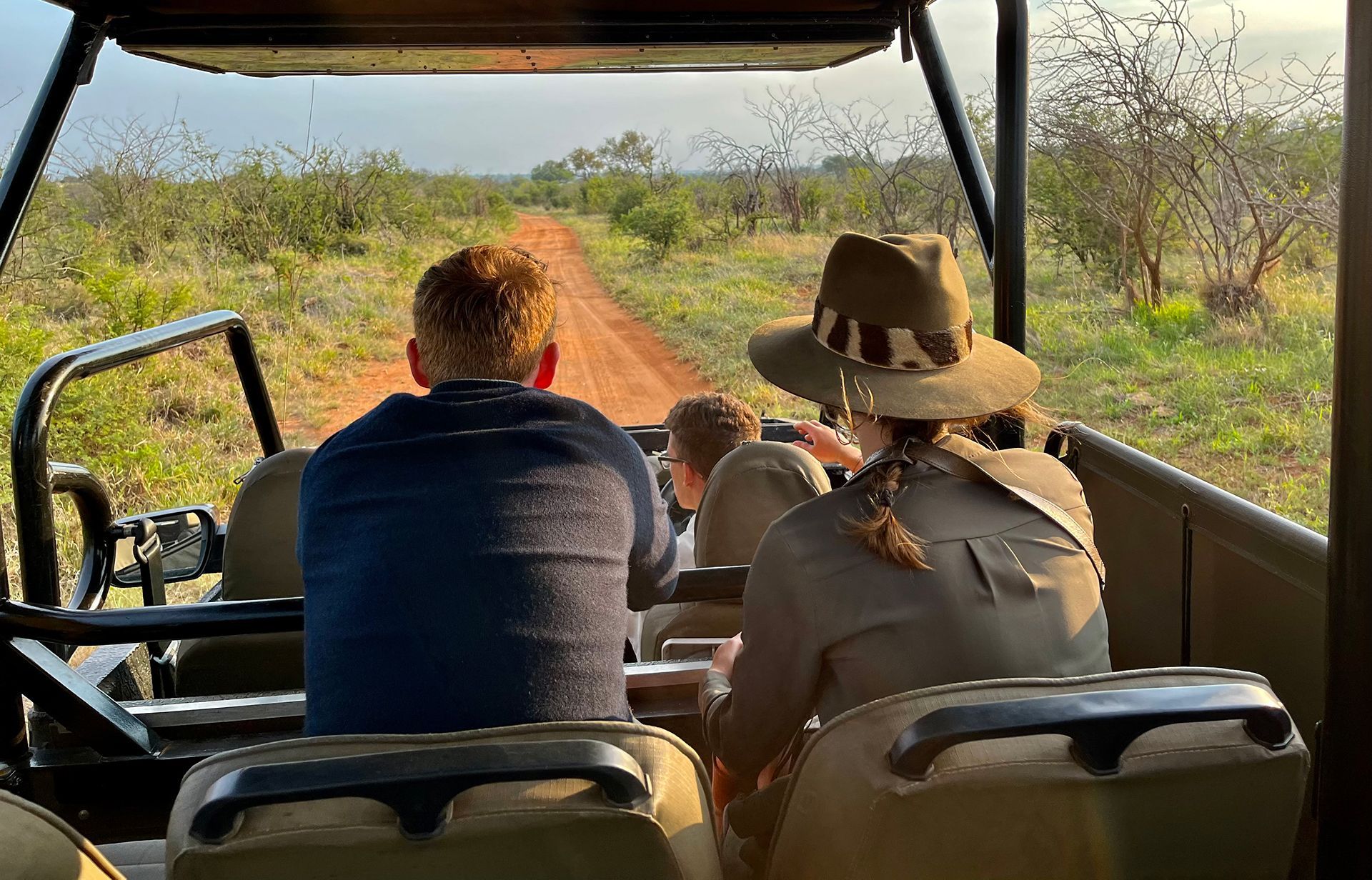
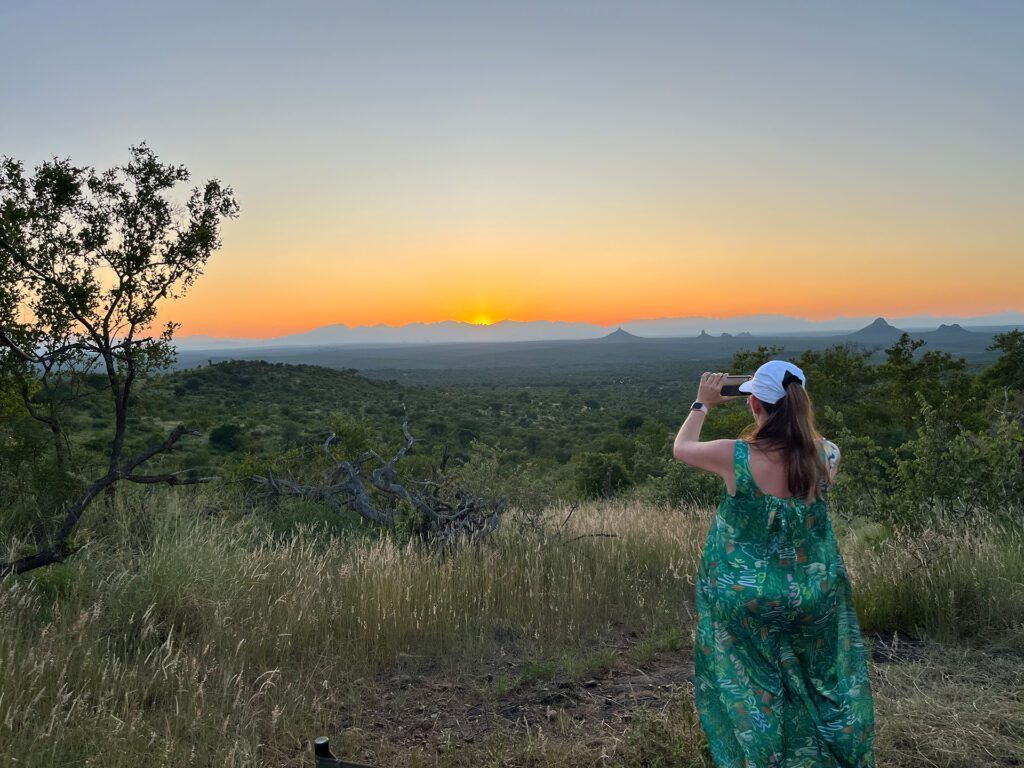
Safety on Game Drives Explained
Game drives are central to the safari experience, and also where most safety concerns are focused. In reality, safari vehicle safety is built on consistency, training, and controlled behaviour rather than chance.
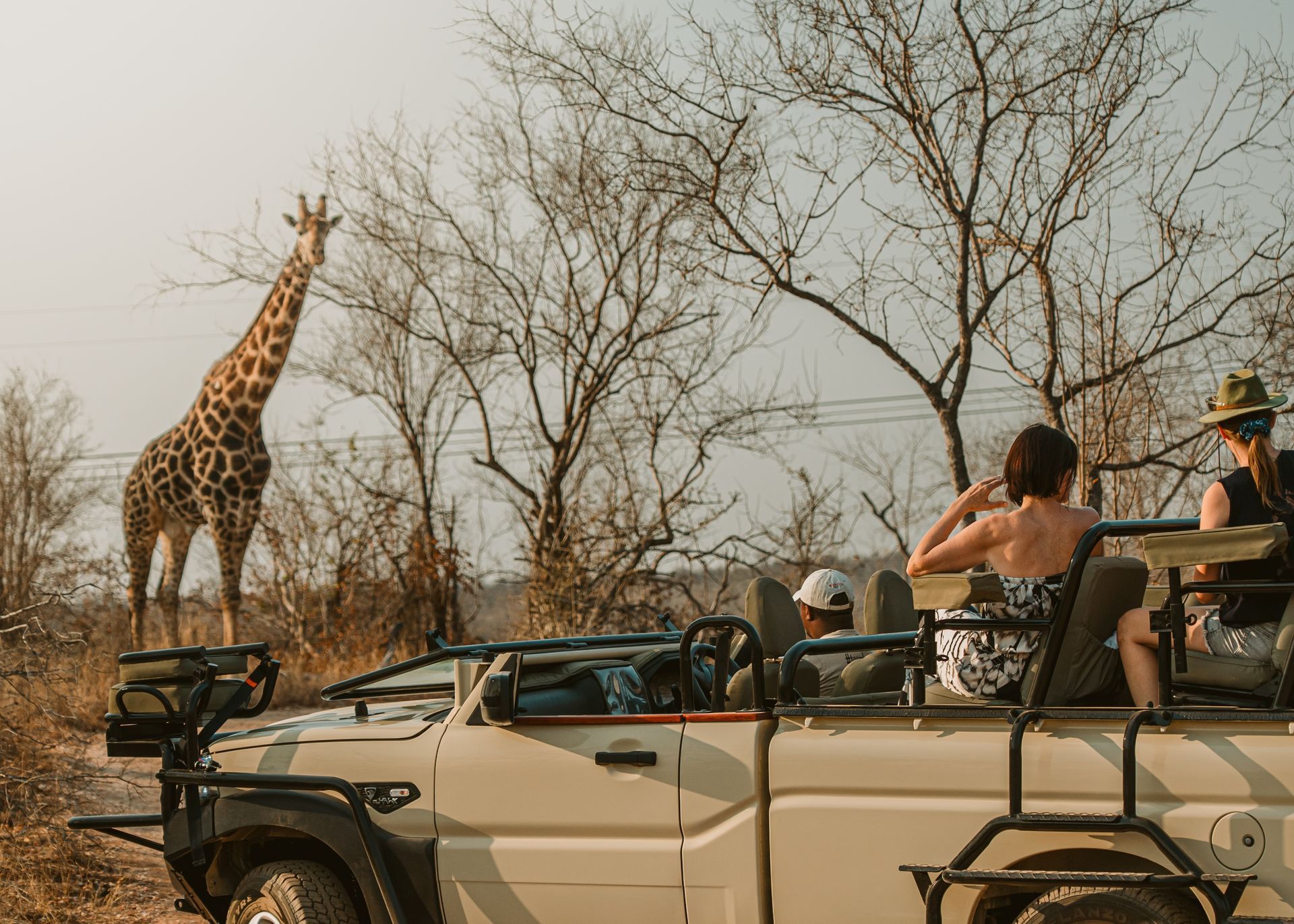
Professional guides operate within strict frameworks informed by wildlife behaviour, animal movement patterns, and environmental awareness. This allows them to manage distance, positioning, and exposure in real time. In regions like the Greater Kruger, animals are accustomed to safari vehicles when interactions follow established rules. The vehicle becomes a neutral presence, not something that triggers a defensive or predatory response.
This is why most questions around: is safari dangerous, are based on perception rather than reality. The experience feels wild, but it is structured. Risk is not removed, it is actively managed by trained safari guides who understand when to approach, when to hold position, and when to move away.
Lodge Safety and Guest Protocols
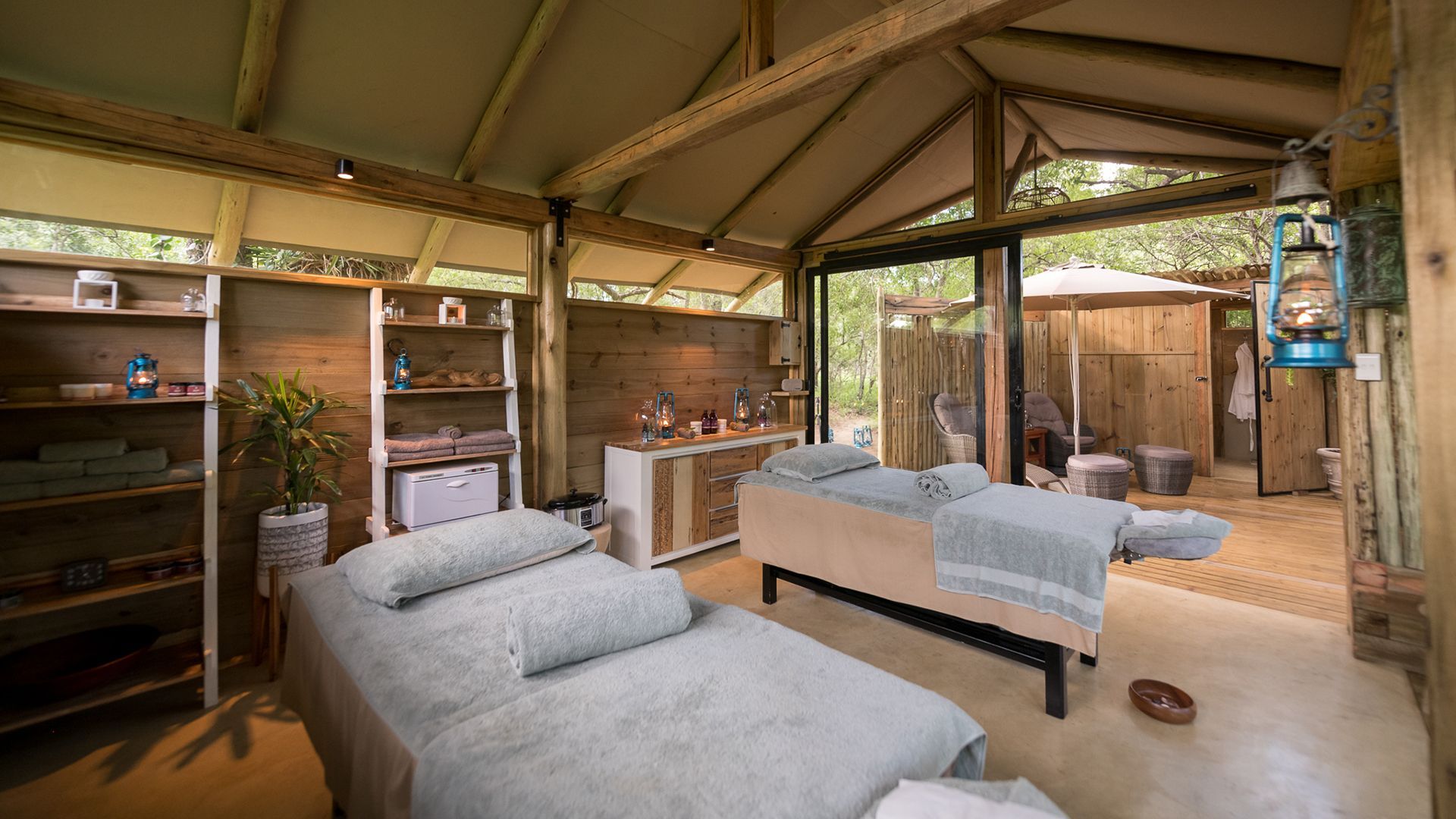
Lodge environments in unfenced reserves often raise questions around safari travel safety. Wildlife can move freely, but guest movement is never unmanaged. Lodges operate on clear protocols that balance freedom with control.
Typically, this includes:
- Guided or escorted guests after dark
- Defined guest areas within the lodge
- Safety briefings on arrival
- Continuous staff presence
Guests are not expected to navigate the environment independently. Instead, the lodge structure ensures that while the setting remains immersive, exposure to risk is controlled.
Modern safari lodges also integrate sustainability with safety, from solar infrastructure to water management, ensuring environments are both responsible and operationally secure.
Safari Safety Tips Every Traveller Should Follow
While operators manage the environment, guests play a direct role in maintaining safari travel safety. The most effective safari safety tips are simple, but consistency is critical.
Core safari safety tips include:
- Remain seated during game drives at all times
- Keep movements slow and controlled
- Avoid loud noise or sudden gestures
- Follow your guide’s instructions immediately
- Stay within designated lodge areas
These are not arbitrary rules. They are designed to maintain predictability, which is the foundation of safari safety. When behaviour remains consistent, wildlife interactions remain controlled.
For travellers asking tips for staying safe on an African safari, this is the practical reality: safety is achieved through behaviour, not restriction.
What Are the Real Dangers on Safari in South Africa?
A key concern behind searches like what dangers are there on safari in Africa or is Africa safari dangerous is the assumption that wildlife itself presents the primary risk.
In reality, the main risks on safari are far more controlled and predictable:
- Ignoring guide instructions
- Leaving designated safe areas
- Standing up or disrupting vehicle structure during sightings
- Environmental exposure such as sun or dehydration
Wildlife-related incidents are extremely rare and almost always linked to broken protocols.
So while the question is Africa safari dangerous is valid, the more accurate answer is this: safari environments are only risky when structure is ignored. Within a guided safari experience, those risks are actively managed.
Wildlife Safety Rules You Must Follow
Wildlife safety is not about restriction, it is about predictability. Animals respond to movement, sound, and proximity. When these elements remain controlled, interactions remain safe.
This is why guides emphasise consistency. Maintaining distance, respecting animal space, and avoiding interference are all part of how trained safari guides manage encounters.
Understanding this is central to safari travel safety. The goal is not to remove the wildness of the experience, but to engage with it in a way that is informed, structured, and controlled.
Travel Safety in Greater Kruger
Beyond the safari vehicle and lodge, travellers often consider broader travel risks. Questions such as how safe are safaris in Kruger National Park reflect concerns about logistics, transport, and overall journey management.
The Greater Kruger region is one of the most developed safari ecosystems in Africa, with established infrastructure, regulated reserves, and experienced operational networks.
At Bundox, travel safety is reinforced through:
- Pre-arranged airport transfers
- Managed inter-lodge movements
- Coordinated communication between camps
Travellers move within a controlled system rather than navigating independently. This significantly reduces exposure to risk and is a key factor in overall safari travel safety.
How Guides Manage Risk in the Field
The most important factor in safari safety is the guide. Trained safari guides operate with a depth of knowledge that allows them to anticipate and manage situations before they develop into risk.
They read subtle behavioural cues from animals, adjust positioning accordingly, and make real-time decisions that maintain safe distances. This proactive approach is what defines high-quality guided safari experiences.
For travellers evaluating Kruger safari safety or overall safari travel safety, the presence of experienced guides is the defining difference. The environment remains wild, but the experience is structured through expertise.
Final Perspective
Safari in South Africa is not defined by risk, it is defined by structure.
When travellers ask: is safari safe in South Africa, the answer depends on how the experience is designed. Within professionally managed environments like the Greater Kruger, supported by trained safari guides and clear safari safety tips, the experience becomes both immersive and controlled.
For those considering a safari and wanting clarity before making a decision, starting a conversation through
our
contact page is often where that understanding becomes tangible.
Frequently Asked Questions
Is it safe to go on safari in South Africa?
Yes. Safari in South Africa is safe when conducted through professional operators in regulated environments like the Greater Kruger, where strict safety protocols are in place.
Are safaris dangerous?
Safaris are not dangerous when rules are followed. The environment is wild, but safari travel safety is maintained through trained guides and controlled experiences.
Can animals attack safari vehicles?
It is extremely rare. Safari vehicle safety relies on keeping the vehicle as a neutral object. Incidents typically only occur when safety rules are ignored.
Is Kruger National Park safe for tourists?
Yes. Kruger safari safety standards are high due to regulation, experienced guides, and well-managed reserves.
How safe are safaris in Kruger National Park?
Safaris in Kruger are considered very safe. The combination of trained safari guides, structured game reserve rules, and controlled environments ensures low risk.
Is an African safari dangerous?
While safaris take place in wild environments, they are not dangerous when conducted under professional supervision and with proper safety protocols.
What safety rules should you follow on safari?
Follow all guide instructions, remain seated during drives, avoid sudden movement, and stay within designated areas to ensure a safe safari experience.

Subscribe to Our Newsletter