Kruger National Park Wildlife Guide: Behaviour, Movement and What You’ll See on Safari
Travellers planning a safari in Africa, especially in the Kruger, often realise too late that the quality of the experience is largely determined by one factor: understanding what is happening around you in the bush.
At Bundox Safari Co., our approach combines guiding expertise, conservation insight, and structured itineraries to ensure sightings are not left to chance.
For those researching how to get the most out of a safari, it is important to understand how different Kruger safari lodges operate, what is included in structured Greater Kruger safari packages, and how experienced operators like us, Bundox Safari Co. build itineraries around real wildlife movement. This is where the difference between a good safari and a consistently rewarding one becomes clear. If you are planning your trip, you can also contact us to align your travel dates with optimal wildlife conditions.
Key Takeaways
- Wildlife sightings in Greater Kruger are driven by seasonal movement and resource availability
- Predator activity follows predictable behavioural windows, not random encounters
- Herd animals like elephants and buffalo operate within complex social structures
- Birdlife varies significantly between dry and green seasons
- Ethical tracking techniques increase sightings without disturbing wildlife
- Structured itineraries deliver more consistent results than self-drive safaris
Understanding How Animals Move Through the Seasons
In the Greater Kruger ecosystem, animal movement is not static. It is dictated primarily by water, vegetation density, and temperature shifts.
During the dry winter months (May to September), vegetation thins and water sources become limited. This concentrates wildlife around rivers, waterholes, and drainage lines. As a result, safari wildlife sightings become more predictable, particularly for large mammals. Visibility improves, and tracking becomes more efficient due to clearer ground conditions.
In contrast, the green season (October to April) introduces abundance. Water is widely available, vegetation thickens, and animals disperse across larger areas. While sightings may require more tracking effort, this period offers richer ecological dynamics, newborn animals, increased predator-prey interaction, and heightened bird activity.
At Bundox Safari Co., itineraries are structured to adapt to these shifts, ensuring that guests experience the most relevant aspects of each season rather than relying on static game drive routines.
Predator Behaviour: Lions, Leopards and Wild Dogs
Understanding Big Five, and especially predators behaviour is essential for interpreting sightings rather than simply observing them.
Lions operate within territorial prides and are most active during cooler hours, early morning, late afternoon, and night. Their movements are often linked to prey migration and water access.
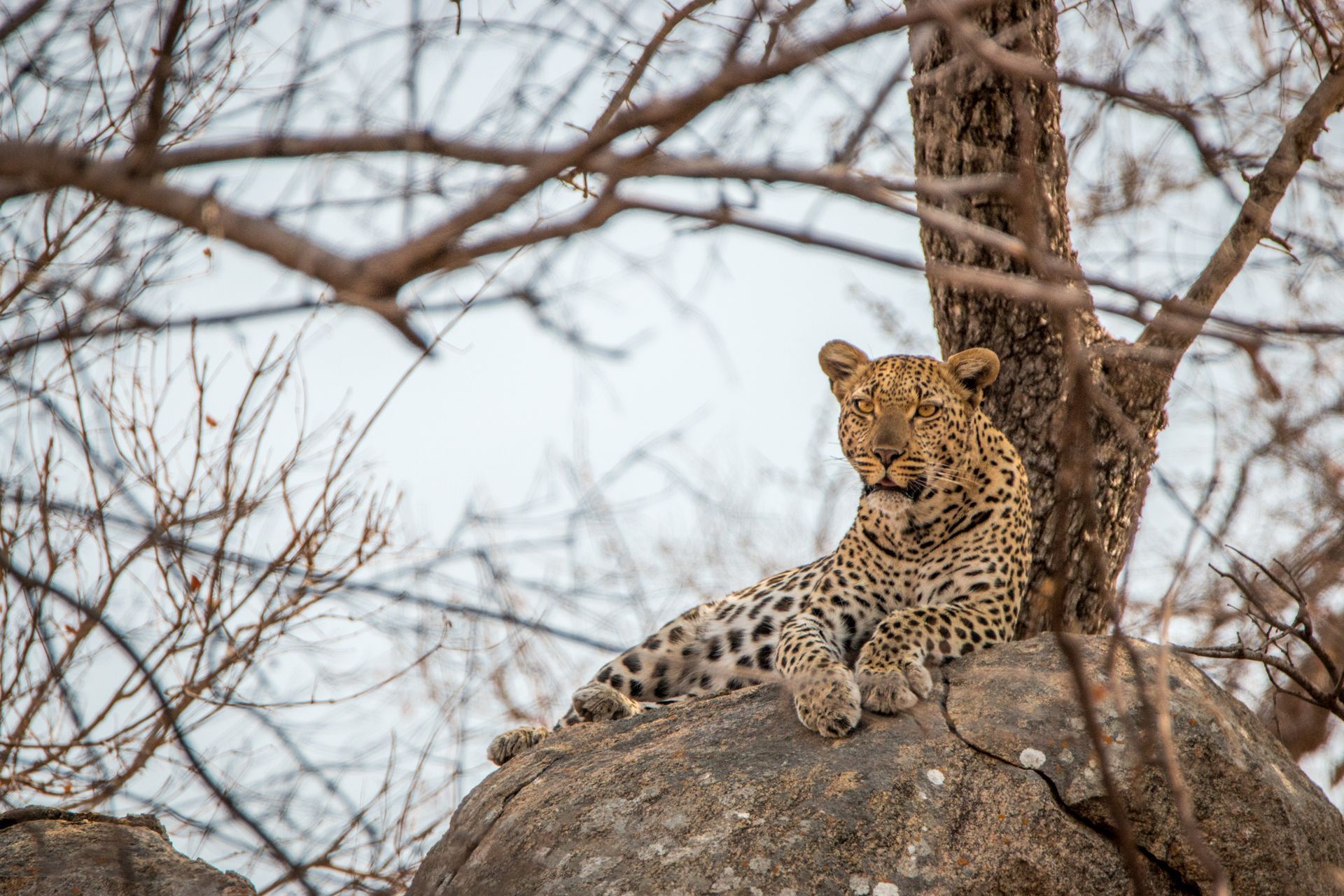
Leopards, in contrast, are solitary and highly elusive. They favour dense riverine systems and tend to move along established paths. Sightings often depend on tracking skill rather than luck.
Wild dogs represent one of the most dynamic predator species in Greater Kruger. Their hunting patterns are fast-paced and time-sensitive, usually occurring shortly after sunrise. Missing this window often means missing the sighting entirely.
Guides at Bundox Safari Co. apply a combination of spoor tracking, behavioural prediction, and communication within ethical boundaries to increase the likelihood of high-quality encounters.
Elephant and Buffalo Herd Dynamics
Elephants and buffalo are often grouped under “common sightings,” but their behaviour is far more complex than many travellers assume.
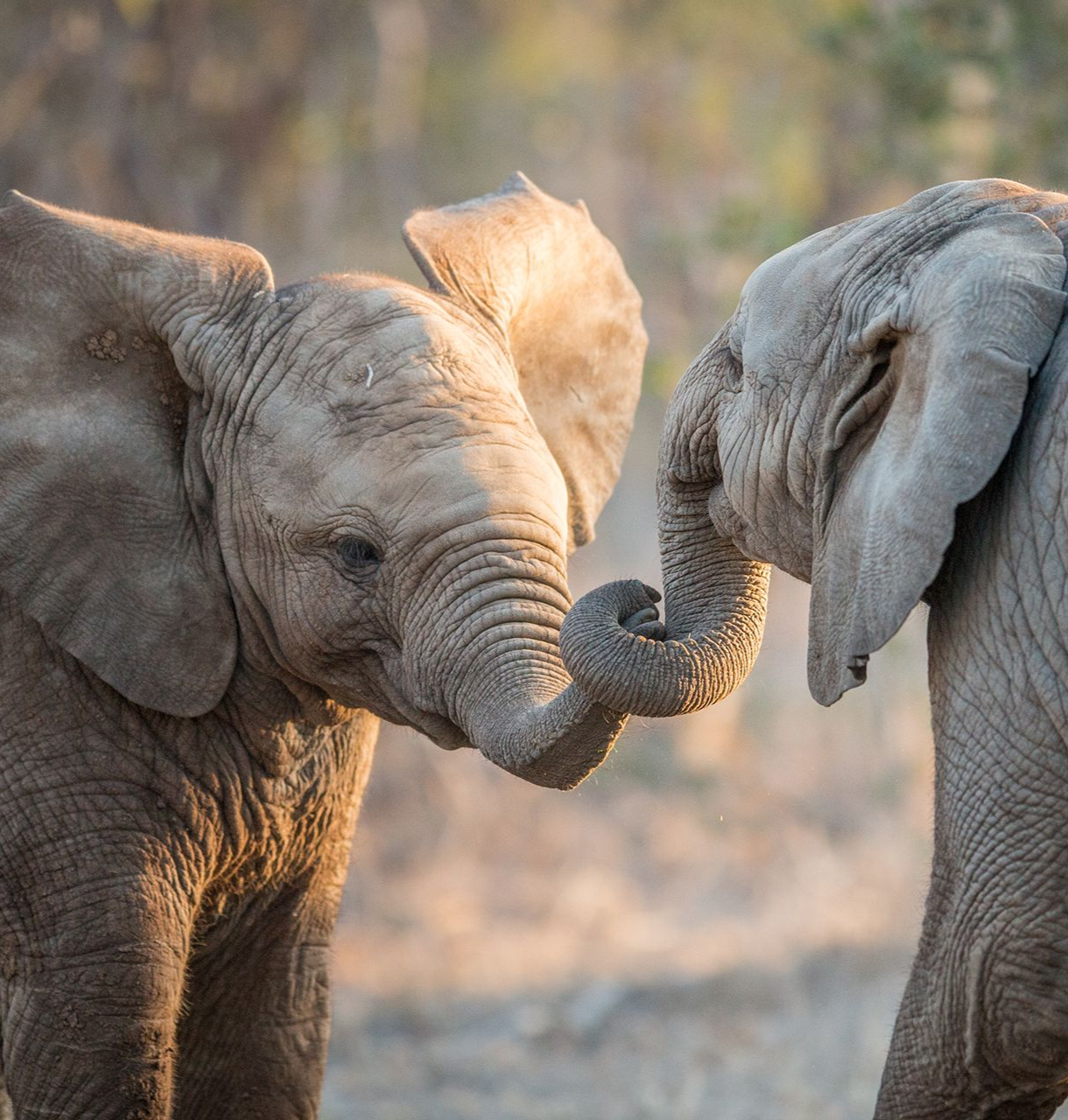
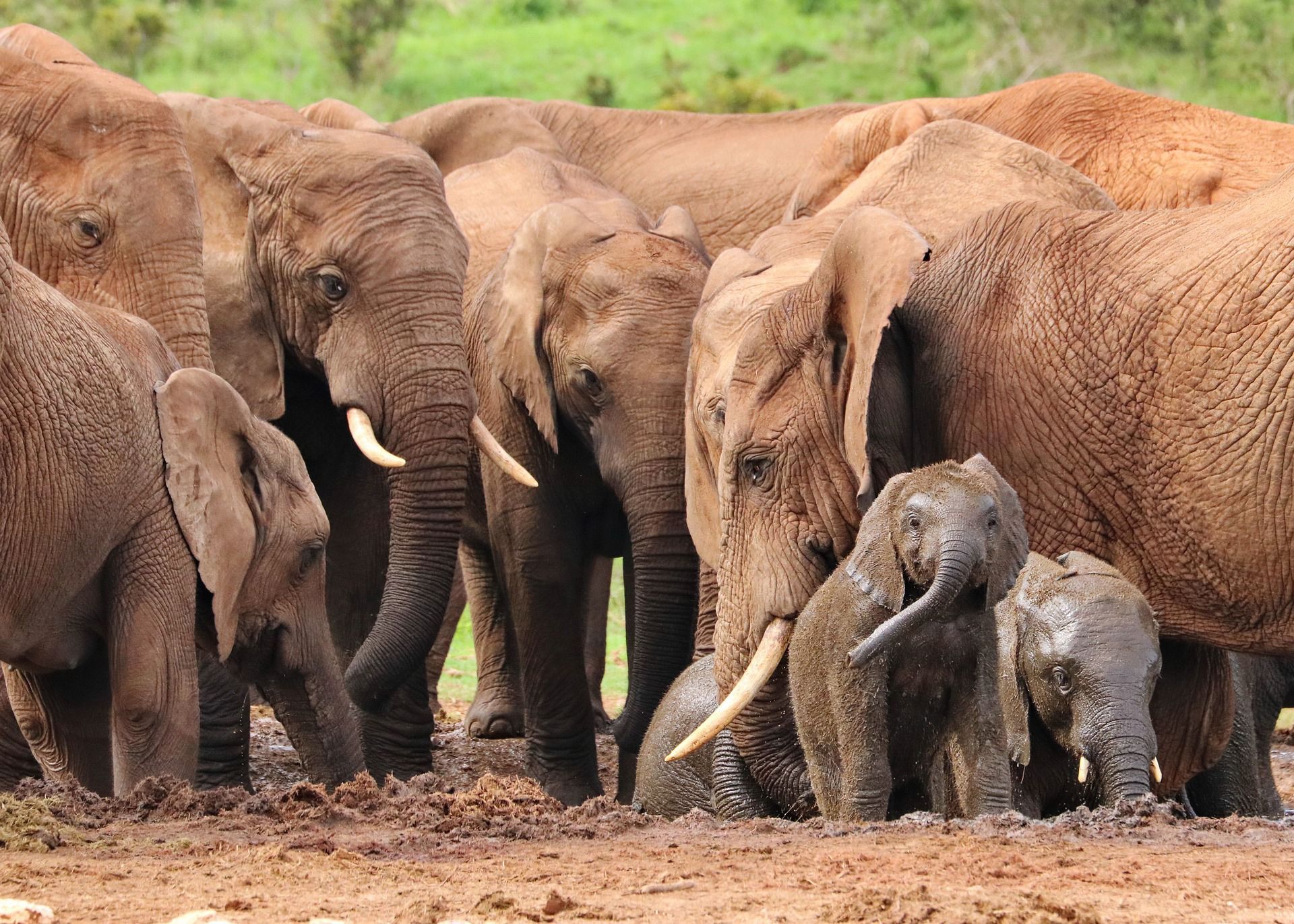
Elephant herds are matriarchal, led by an experienced female who determines movement patterns based on memory of water sources and seasonal changes. Their behaviour shifts noticeably between relaxed browsing and defensive posturing, particularly when calves are present.
Buffalo operate in large herds that can exceed several hundred individuals. Their movement is strategic, often influenced by predator pressure. Lions frequently target buffalo, creating some of the most intense predator-prey interactions in the region.
Understanding these herd dynamics transforms sightings from passive observation into meaningful interpretation, one of the defining differences of a guided safari experience.
Birdwatching in Greater Kruger: Seasonal Highlights
While many visitors focus on mammals, Greater Kruger animals include over 500 bird species, making birdwatching a significant component of the ecosystem.
The dry season offers easier visibility, particularly for raptors and ground-dwelling species. Water sources attract concentrated bird activity, creating reliable viewing opportunities.
The green season, however, is when birdlife reaches its peak. Migratory species arrive, breeding plumage becomes more vivid, and vocal activity increases. For photographers and enthusiasts, this period provides exceptional diversity.
At Bundox Safari Co., birding is integrated into the broader safari experience, ensuring it complements wildlife tracking rather than being treated as a separate activity.
How Guides Track Wildlife Ethically
Tracking wildlife is a specialised discipline that combines observation, interpretation, and restraint. Ethical tracking ensures that animals are not stressed or displaced during encounters.
Guides read spoor (tracks), dung, alarm calls, and environmental disturbances to determine recent animal movement. This information is combined with knowledge of terrain and seasonal patterns to predict direction and behaviour.
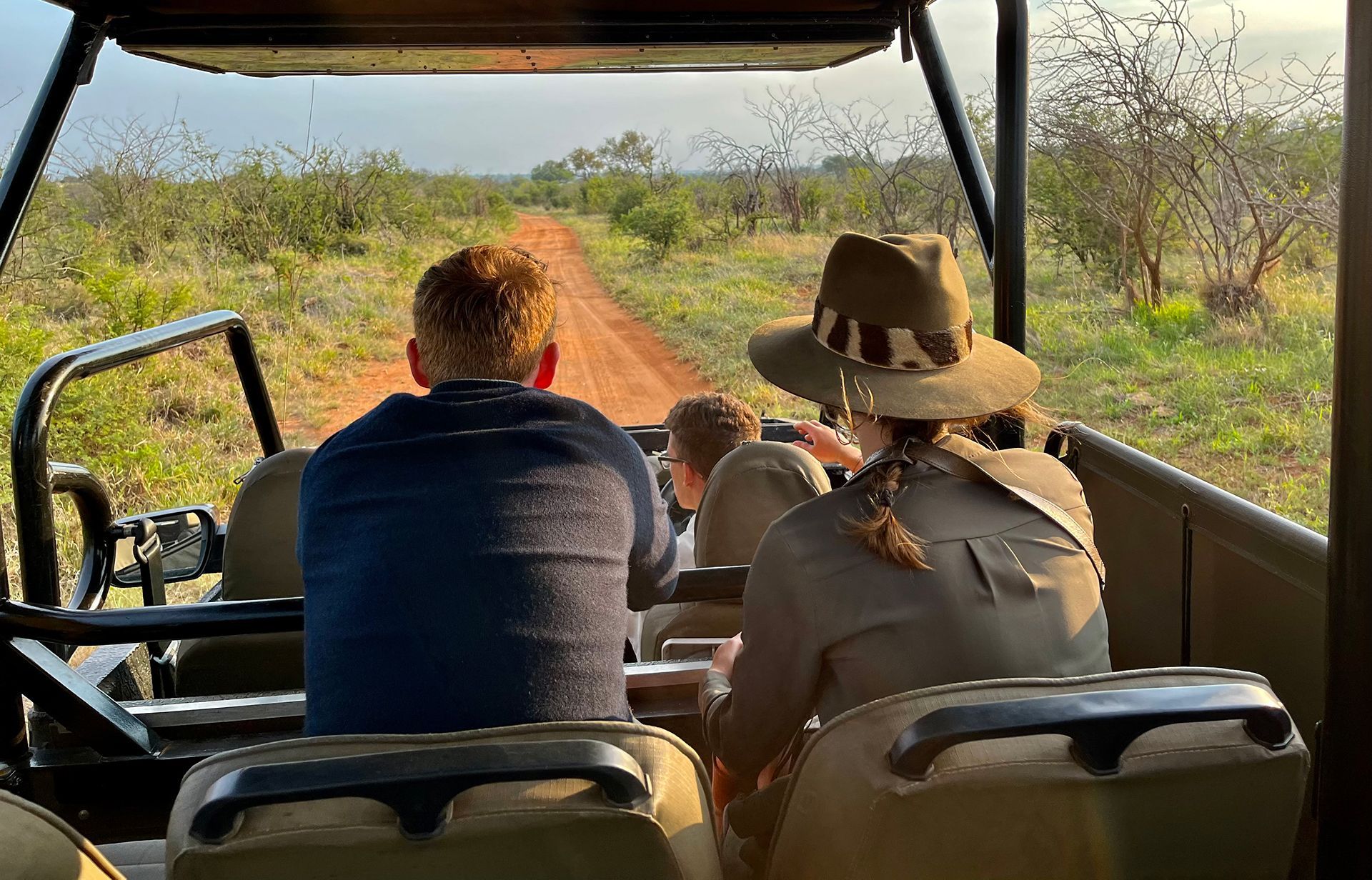
At Bundox Safari Co., tracking is not about chasing sightings. It is about positioning vehicles and routes in a way that allows natural encounters to unfold. This approach aligns with conservation principles and enhances the authenticity of the safari experience.
This methodology is reflected in structured journeys such as the Live Wild Plus safari, which combines guided drives, conservation engagement, and multi-location immersion across Greater Kruger.
What You’ll See on Safari: Setting Realistic Expectations
One of the most common misconceptions is that safaris guarantee constant Big Five sightings. In reality, animal behaviour on safari is dynamic and influenced by multiple variables.
A well-designed safari focuses on consistency over spectacle. This includes:
- Regular sightings of plains game and herbivores
- Periodic predator encounters based on tracking success
- High-probability sightings near water sources in dry months
- Diverse ecological interactions rather than isolated highlights
At
Bundox Safari Co., the emphasis is placed on creating a complete wildlife narrative, not just a checklist.
Plan a Safari That Delivers More Than Sightings
A successful safari is not defined by luck, but by structure, timing, and expertise. By aligning your travel dates, locations, and guiding approach with real wildlife behaviour, the experience becomes significantly more consistent and meaningful.
Explore
Bundox Safari lodges or review tailored
Greater Kruger safari packages to understand how these itineraries are built. For personalised planning, you can
contact us directly. to align your safari with the conditions that matter most.
Frequently Asked Questions
What is the best time of day for wildlife sightings?
Early morning and late afternoon offer the highest activity levels, particularly for predators and large mammals.
How do guides track animals on safari?
Through spoor, environmental indicators, and behavioural prediction, combined with experience and terrain knowledge.
Can you see the Big Five in all parts of Greater Kruger?
Yes, but distribution varies. Some areas offer higher density or more consistent sightings depending on habitat.
Are nighttime sightings better than daytime?
They provide access to nocturnal species and predator activity, but should complement, not replace, day drives.
Which months are best for birdwatching?
The green season (November to March) offers peak diversity and migratory species presence.

Subscribe to Our Newsletter